If you would like to get in touch, please feel free to contact: email hidden; JavaScript is required
Browse collection
- Full collection
- 18th Century & earlier
- Ackermann
- Africa
- Alken
- Animals
- Arabasia
- Architecture/Mansions
- Art
- Australasia
- Botany
- British Isles
- Caricatures
- Children
- China
- Chromo added colour
- Chromolithographs
- Conchology
- Costume
- Cruikshank
- Culture/Lifestyle
- Dutch
- East European
- Far East
- France
- Furniture/Antiques
- General
- Germany
- Grandville
- Heraldry
- History
- History - England
- History - Europe
- Holy Land
- India
- India - sepia
- Islam
- Italy
- Japan
- Literature
- London
- Manuscript
- Map
- Military
- Monnier
- Natural history
- Pastimes
- Pochoir
- Polar regions
- Portraits
- Religious/Christian
- Religious/other
- Rowlandson
- Russia
- Science
- Scrapbook
- Sepia
- South America
- Sports/Hunting
- Stamps
- Swiss
- The Americas
- Theatre
- Travel/Scenery
- Watercolours
- World
DOUGHTY, John and Thomas.
The Cabinet of Natural History and American Rural Sports with illustrations.
"The Doughtys' "Cabinet" is an odd amalgam of natural history, sporting accounts, travel narratives, and practical advice for the countryman. This was the first major book issued in the United States to be illustrated with hand-coloured lithographic plates, preceded only by three minor books in the 1820s. It marks the beginning of the dominance of lithography in book illustration, although the process had been commercially viable in America for a decade" (Reese).









- Published
- Philadelphia: J. and T. Doughty, 1830-1832.
- References
- Bennett, p.35; Gee 132; R.W. Henderson Early American Sport pp.37-42; J.K. Howat The Hudson River and its painters (1972) p.31; Howes D433, "c"; Robert F. Looney "Thomas Doughty, Printmaker," in Philadelphia Printmaking West Chester, 1976, pp. 130-148; Meisel III, p.404 (vols. I and II only); Phillips 69; Reese Stamped with a National Character 12; Sabin 9795 (vols. I and II only); Wood p.275
- Plates
- 47
- Binding/Size
- M=4to
- Value
- 0-5000
- Published
- Philadelphia: J. and T. Doughty, 1830-1832.
- Ref
- 1293
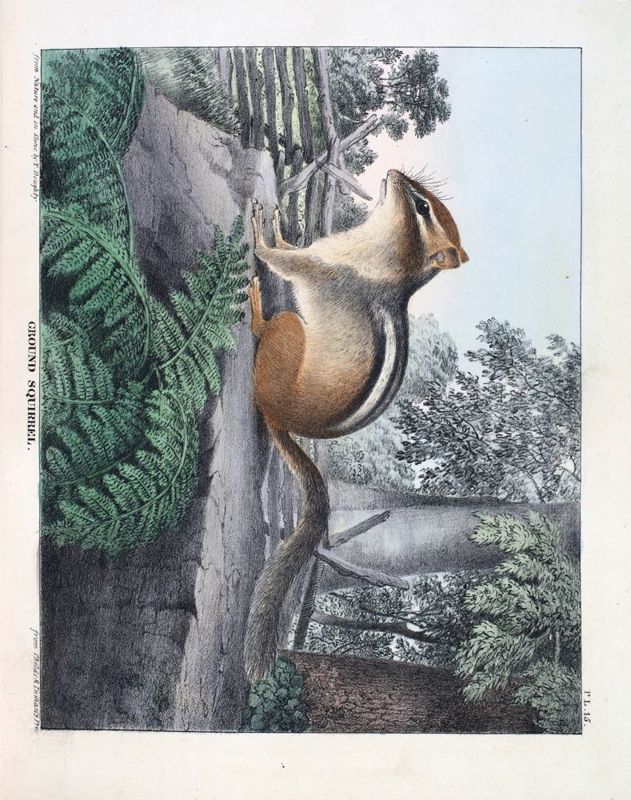
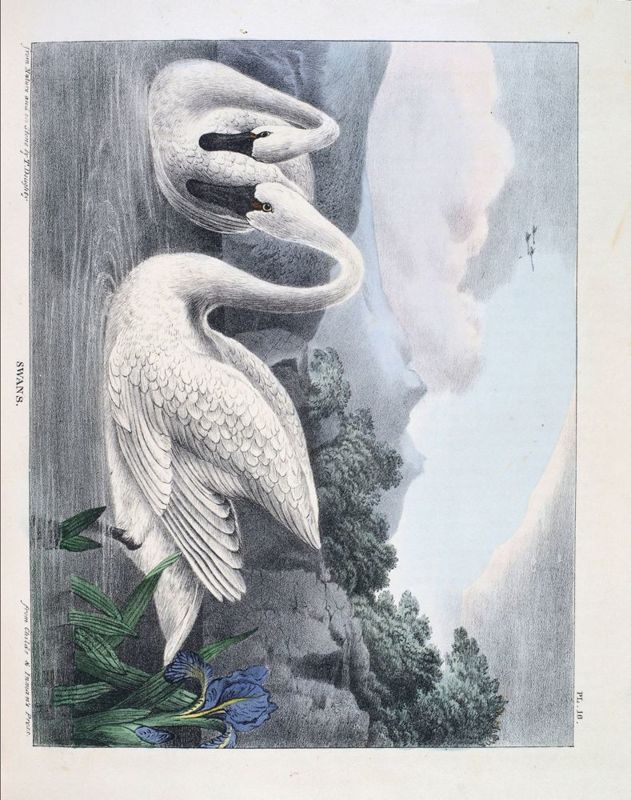
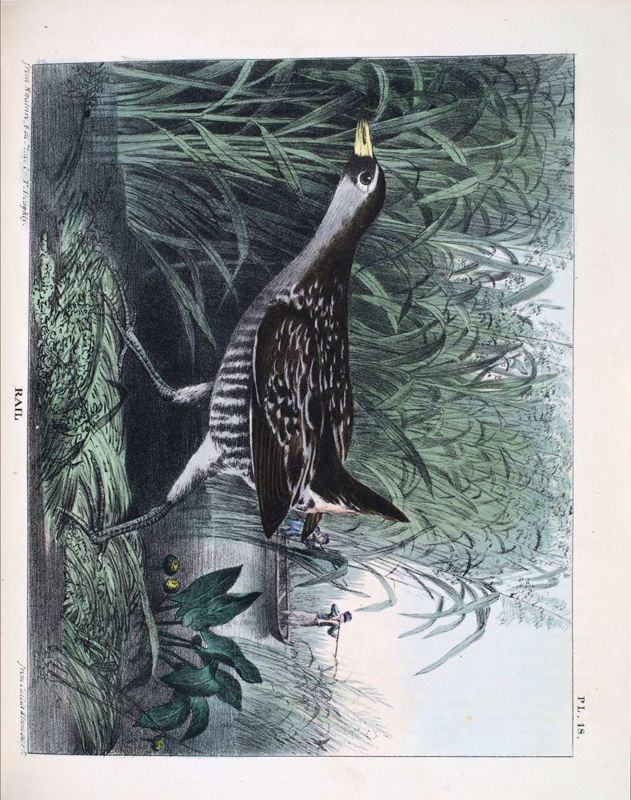
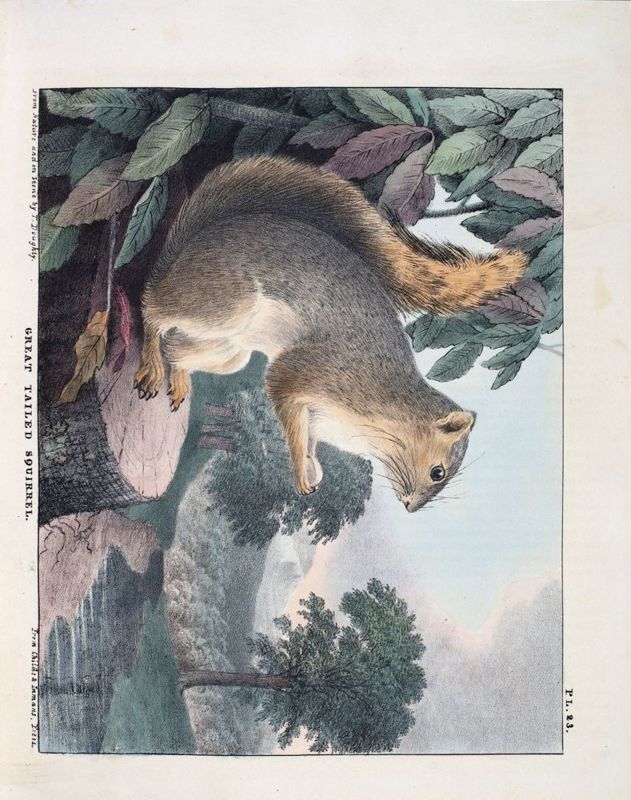
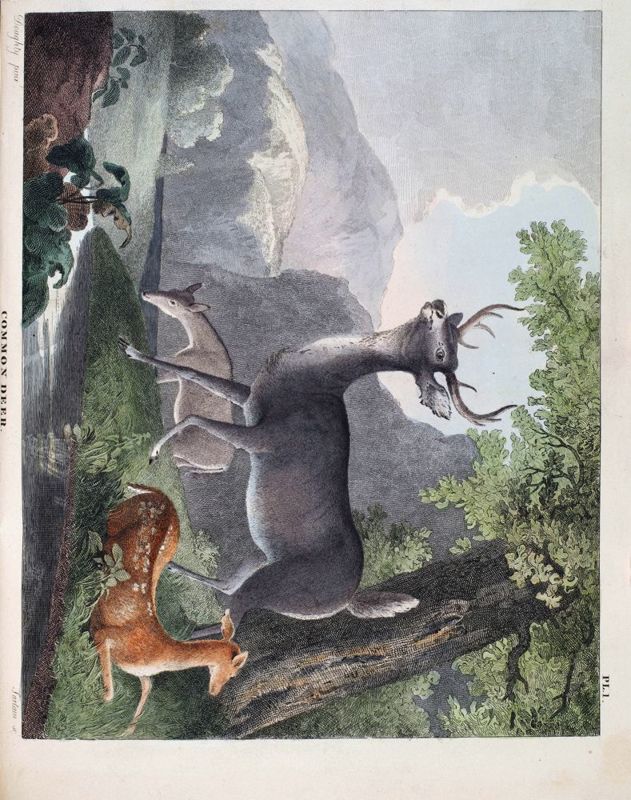
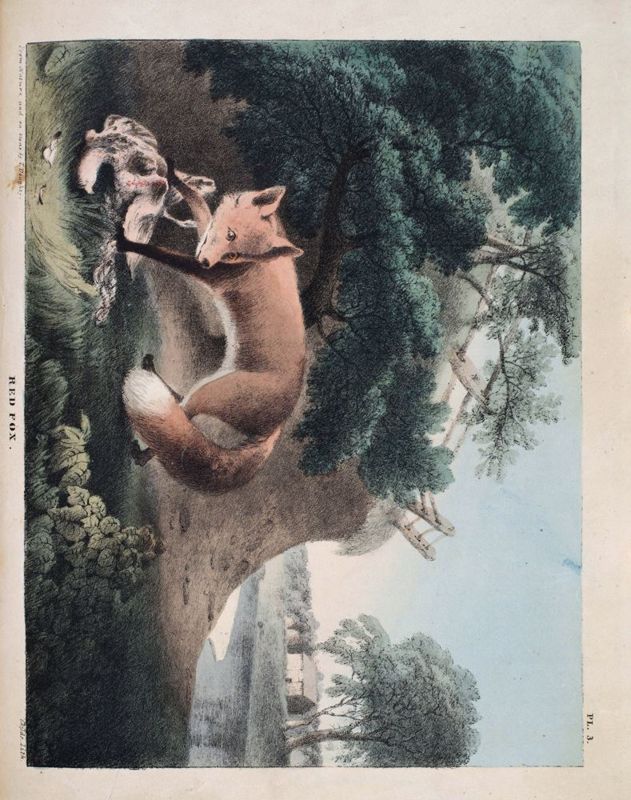
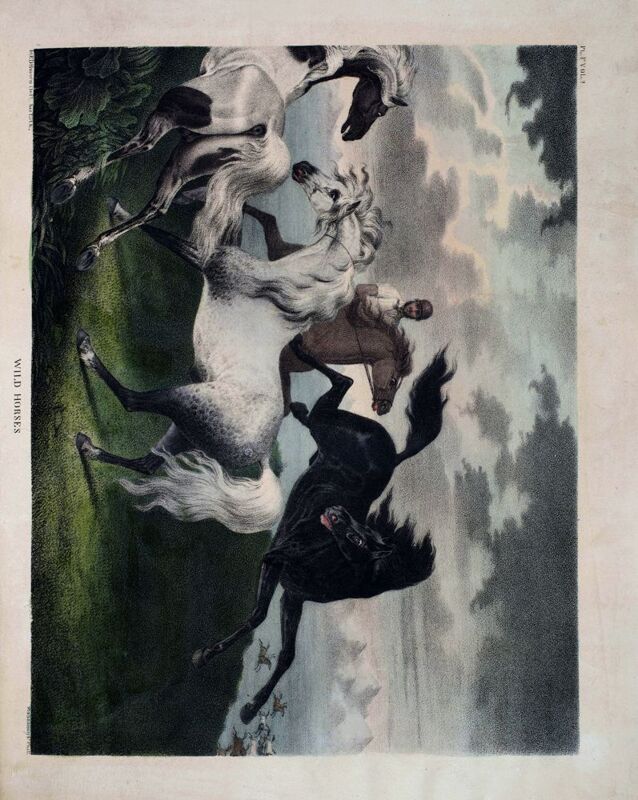
Volumes I and II, quarto (10 x 8 1/2 inches). Text in two columns. Two uncoloured steel-engraved titles with vignettes, two uncoloured steel-engraved portrait frontispieces. 49 plates (1 uncoloured wood-engraving on thin paper stock, one uncoloured steel-engraving, one hand-coloured steel-engraving after Thomas Doughty. 46 hand-coloured lithographs by Thomas Doughty [23], M.E.D. Brown [11], J.G. Clonney [8], and others). (Scattered foxing and browning to the text). . 20th-century half tan calf over cloth-covered boards, spines in six compartments with raised bands, lettered in gilt in the second and fourth compartments, top edge gilt. Volumes I and II of the American Rural Sport contain the "first coloured sporting prints made in America" (Henderson). They include 23 original lithographs by Thomas Doughty, the founding father of the Hudson River School The Cabinet of Natural History, "an amalgam of natural history, sporting accounts, travel narratives, and practical advice for the countryman" (Reese), was started by the brothers Thomas and John Doughty in Philadelphia. It was issued monthly and ran from the end of 1830 until the spring of 1834 when it abruptly ceased publication. The first volume (made up of 12 parts ) was certainly the work of both Doughty brothers, with virtually all the plates being the work of Thomas, but by the time the third part of the second volume had been issued, the partnership had been disbanded. Thomas had moved to Boston to pursue his career as a painter, and as of 17 May 1832, John Doughty was the sole proprietor. Thomas's input was sorely missed, and by mid-summer, John was advising his subscribers that he would have to discontinue the publication unless the level of support improved. The periodical continued for almost another year before John Doughty's prediction was fulfilled, and the publication came to a sudden halt with part IV of volume III. However, despite its relatively short life, the Cabinet of Natural History left behind an important legacy: Bennett calls it the `first major sport print color plate book produced in America' the text includes first-hand accounts of hunting expeditions of all kinds and is amongst the earliest of their kind (some of which were reprinted by the Derrydale Press in 1928), the plates include the `first coloured sporting prints made in America' (Henderson), and most importantly the work includes a significant number of original lithographs by Thomas Doughty, one of the great names in 19th-century American art. "Of all the predecessors to [Thomas] Cole and his followers, the single artist who could most reasonably claim Cole's mantle as the founder of the [Hudson River] school is the appealing figure of Thomas Doughty, who at one juncture was hailed as 'the all-American Claude Lorrain'"' (Howat. The Hudson River and its painters p.31). As a painter Doughty "holds a place unique among artists of this country as having initiated the American discovery of the American landscape" (Looney). His importance as a printmaker, however, has yet to be fully recognised or adequately defined, for though "there are many prints to which Doughty's name is attached as the artist only, there are only a few for which he was initially completely responsible ... These are the 23 lithographs made specifically for Volume I of ... The Cabinet of Natural History " (op. cit.). Doughty initially trained as a leather currier but by 1820 was listing himself in the Philadelphia City Directory as a landscape painter. "He was restless .. .energetic ... gifted ... [and] was popular almost from the start. People liked his vision of a benevolent natural world ... He frequently exhibited in Philadelphia and elsewhere" (op.cit.). His work was engraved for use in various publications from the early 1820s onwards, but his "major contribution to the world of printmaking, however, lies not in the 40-odd illustrations taken from his paintings and drawings but rather in the plates he made for [the present work]" (op.cit). American lithography was still in its infancy when the Doughty's began their periodical, and it is not clear where Thomas learned the art. "He proved himself an able practitioner in the plates of Volume I of the Cabinet, which are important as the first sporting prints in colour made in America." (op.cit.). This volume also has the distinction of being the first major book of any kind with coloured lithographic plates printed in America. There were two earlier minor works but "their lithographic illustrations, being chiefly diagrams, have not the same artistic quality as those of the Cabinet of 1830 with its studies of birds and animals in natural settings and dramatic landscapes. Moreover, the Cabinet was widely distributed, and the first eight issues at least were a popular success. In this way, introducing the coloured lithograph to a wide audience made an important contribution to the development of American lithography ... 1830 was thus crucial in the history of American lithography for the lithographic print came of age, and this was largely through the work of Thomas Doughty" (Looney). "It marks the beginning of the dominance of lithography in book illustration" (Reese). Coloured plates in order: Volume 1. 1. Common Deer. 2. Ruffed Grouse, or Pheasant. 3. Red Fox. 4. Quails, or Partridges. 5. Newfoundland Dog. 6. Pelican. 7. Prairie Wolves. 8. Meadow Lark / Snow Bird. 9. Woodcock Shooting. 10. Goosander / Golden Eye. 11. Grizzly Bears. 12. Blue Bird / Robin. 13. Trout / Male Brook Trout. 14. Woodcock. 15. Ground Squirrel. 16. Swans. 17. Argali. 18. Rail. 19. Varying Hare. 20. Red-Tailed Hawk / American Sparrow Hawk. 21. American Porcupine. 22. Summer Duck. 23. Great Tailed Squirrel. 24. Raven. Volume 2. 25. Wild Horses. 26. Great Horned Owl. 27. Cougar or Panther. 28. Canvas-Back Duck / Red-Headed Duck. 29. Ruby-Crowned Wren / Blue Jay. 30. Raccoon. 31. Maryland Yellow-Throat / American Redstart. 32. Esquimaux Dog. 33. Humming Birds. 34. Birds Eggs (23 figs). 35. Scarlet Tanager / Blue Eyed Yellow Warbler. 36. Grey Fox. 37. Blue Crane / Hudsonian Godwit. 38. American Buffaloe. 39. Flicker, or Golden-Winged Woodpecker. 40. Skunk. 41. Gannet (Young) / Gannet (Adult). 42. Polar Bear. 43. Snipe. 44. Grey Squirrel. 45. Pine Finch / Purple Finch. 46. Black Wolf. 47. Belted King Fisher / Buffel Headed Duck.