If you would like to get in touch, please feel free to contact: email hidden; JavaScript is required
Browse collection
- Full collection
- 18th Century & earlier
- Ackermann
- Africa
- Alken
- Animals
- Arabasia
- Architecture/Mansions
- Art
- Australasia
- Botany
- British Isles
- Caricatures
- Children
- China
- Chromo added colour
- Chromolithographs
- Conchology
- Costume
- Cruikshank
- Culture/Lifestyle
- Dutch
- East European
- Far East
- France
- Furniture/Antiques
- General
- Germany
- Grandville
- Heraldry
- History
- History - England
- History - Europe
- Holy Land
- India
- India - sepia
- Islam
- Italy
- Japan
- Literature
- London
- Manuscript
- Map
- Military
- Monnier
- Natural history
- Pastimes
- Pochoir
- Polar regions
- Portraits
- Religious/Christian
- Religious/other
- Rowlandson
- Russia
- Science
- Scrapbook
- Sepia
- South America
- Sports/Hunting
- Stamps
- Swiss
- The Americas
- Theatre
- Travel/Scenery
- Watercolours
- World
BELISARIO, I.M.
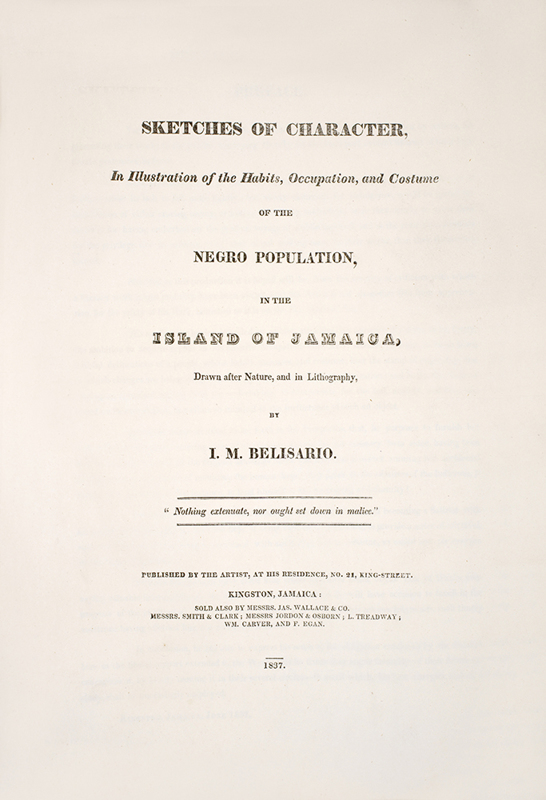
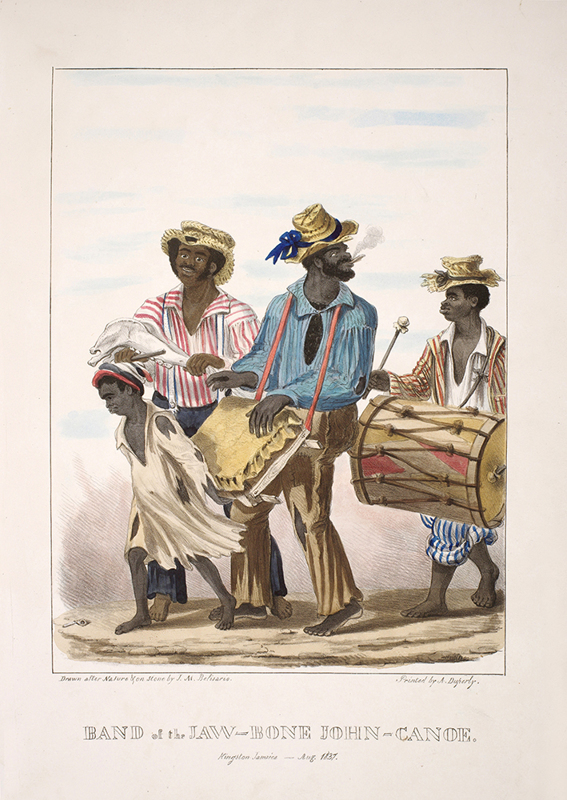
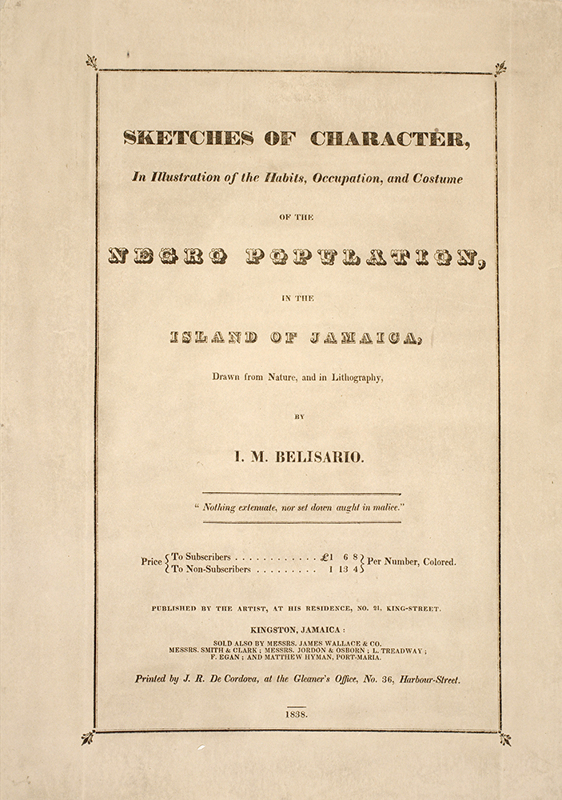
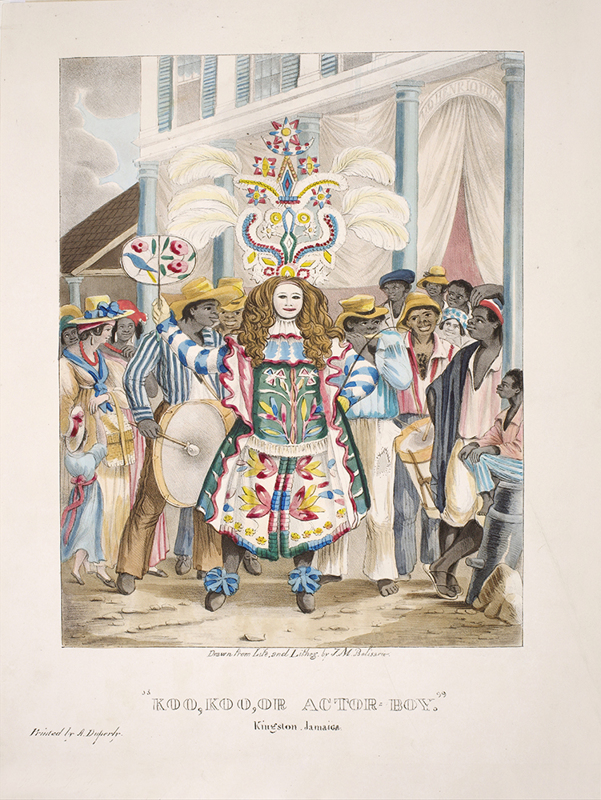
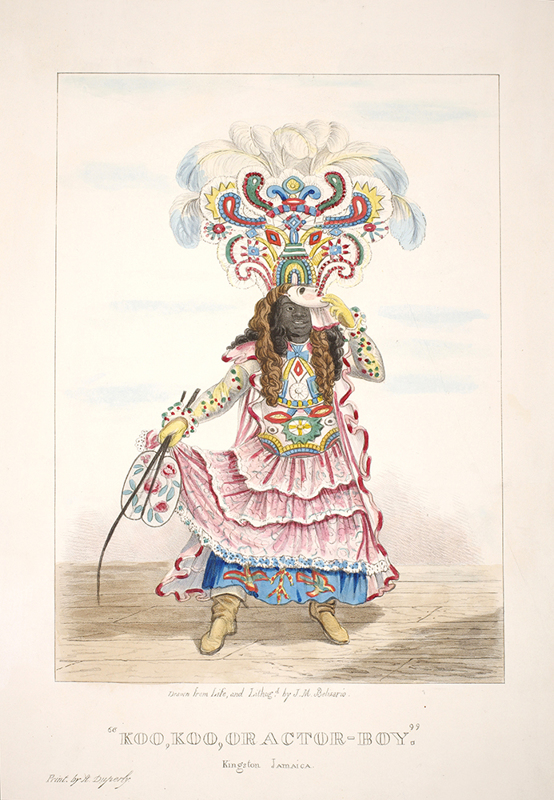
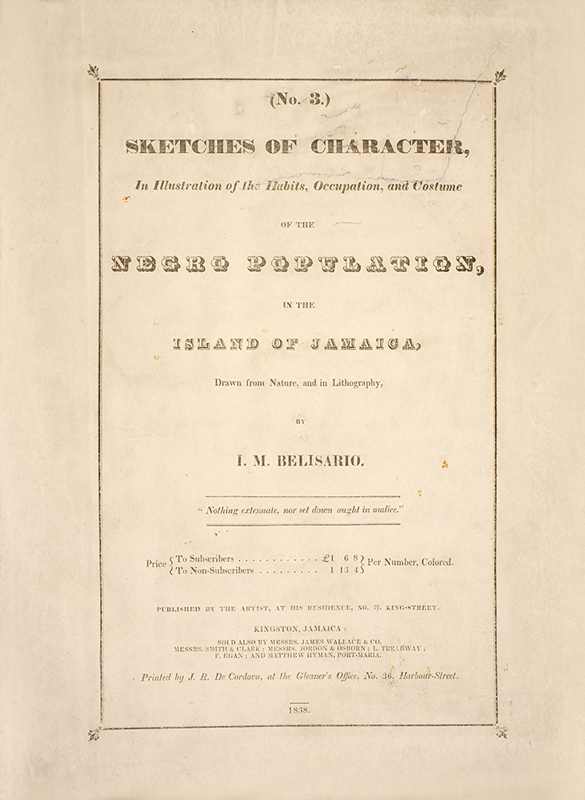
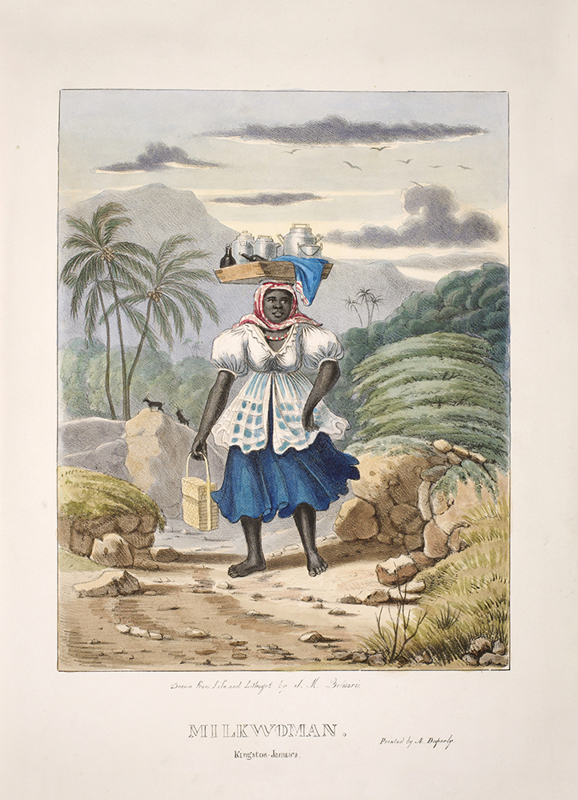
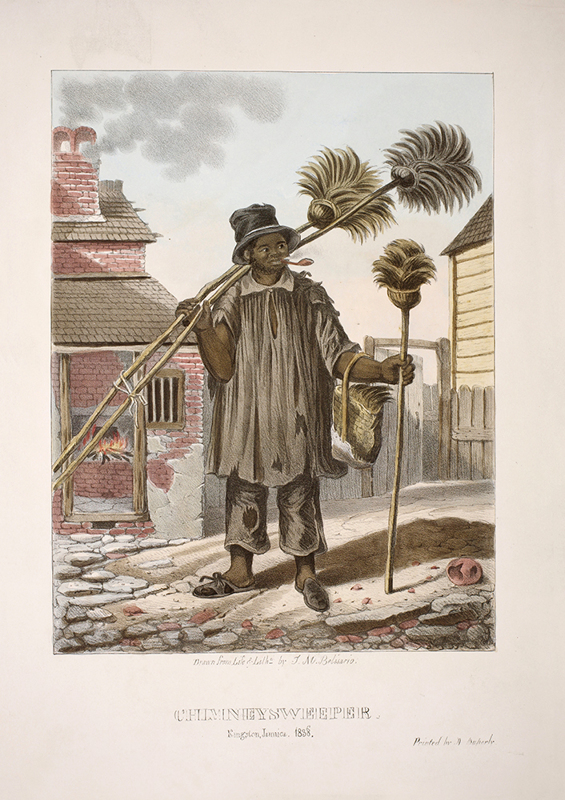
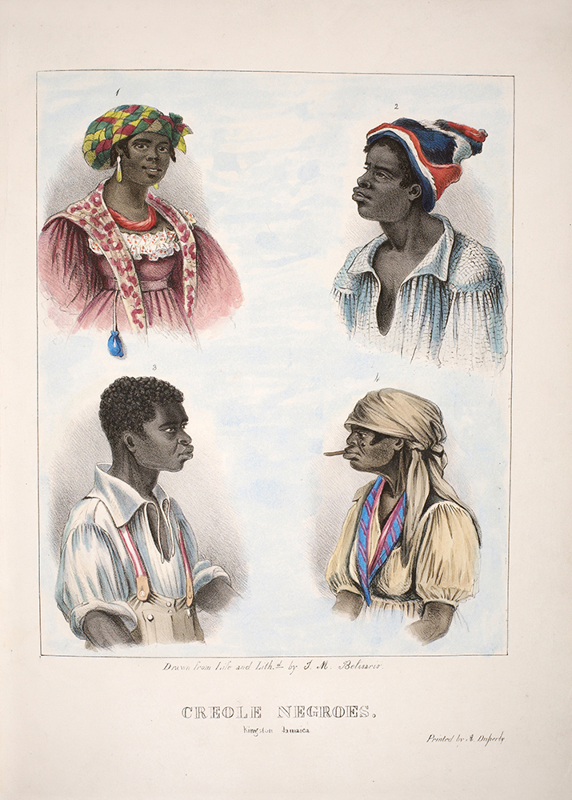
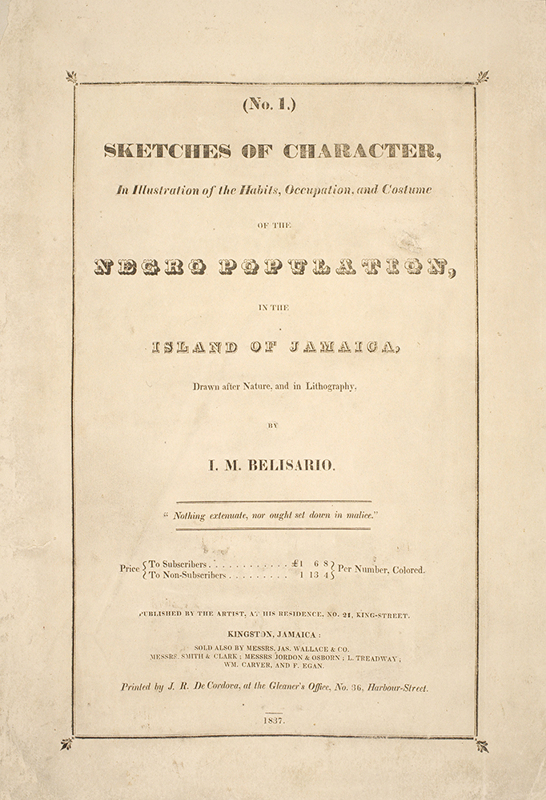
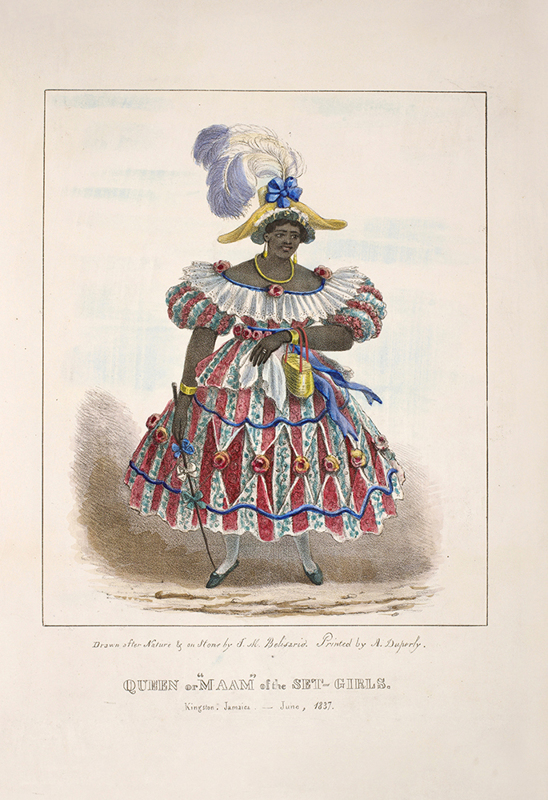
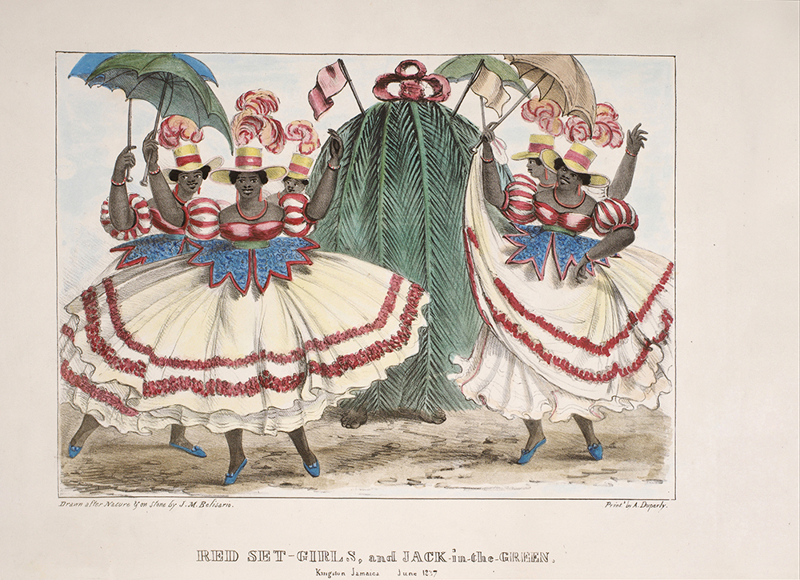
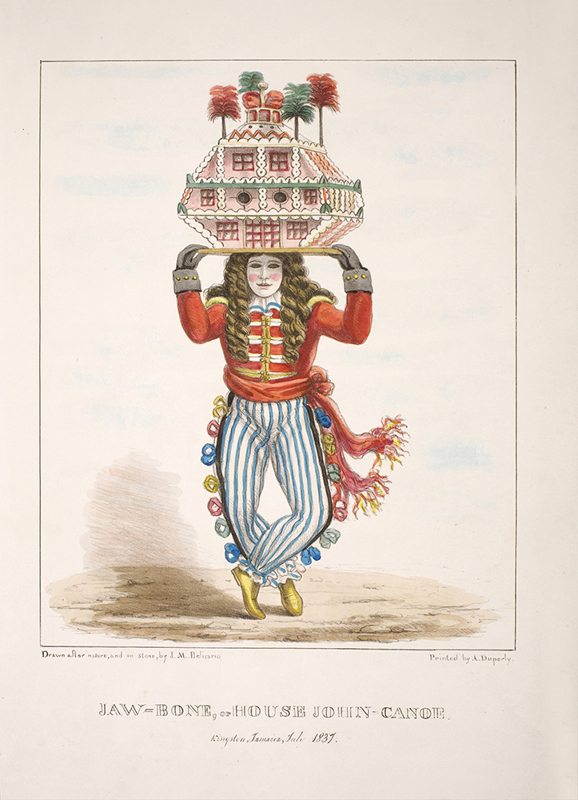
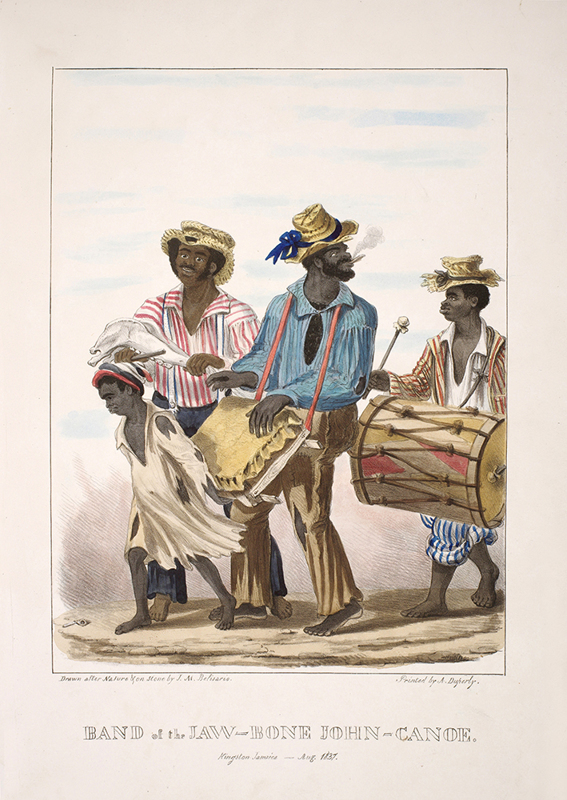
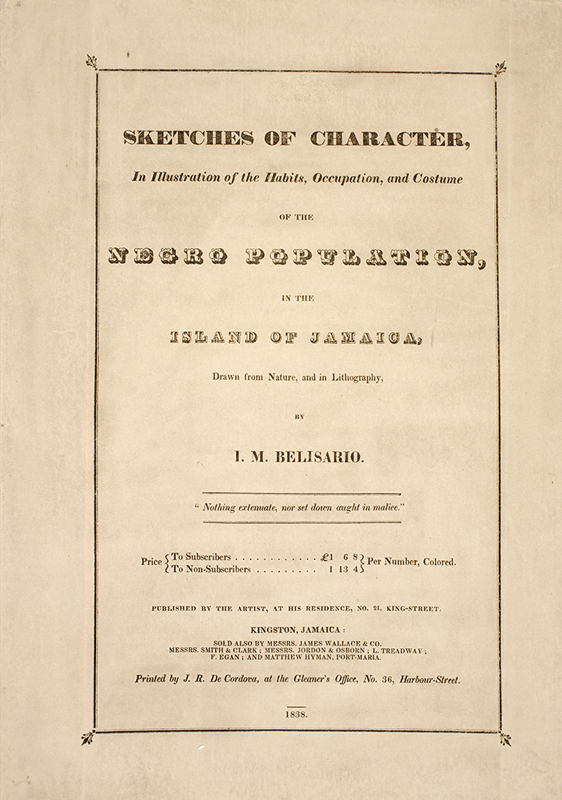
Sketches of Character, An Illustration of the Habits and Costume of the Negro Population in the Island of Jamaica.
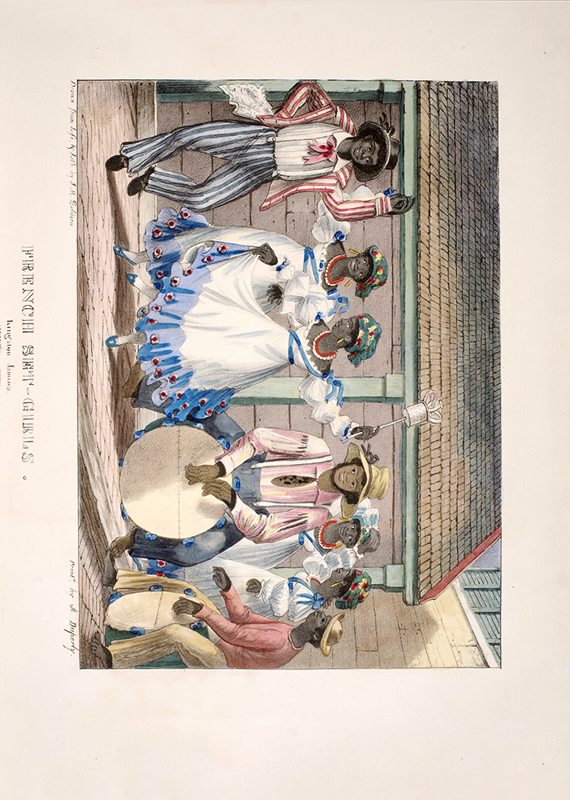
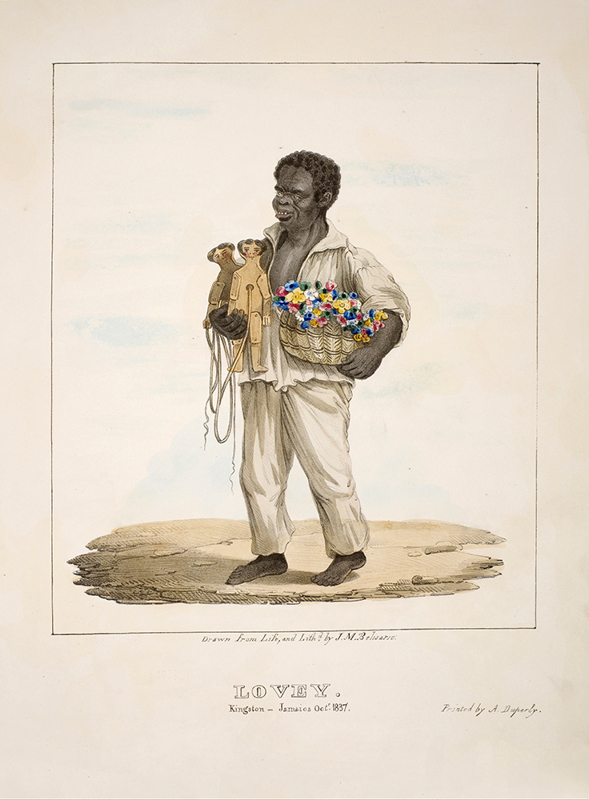
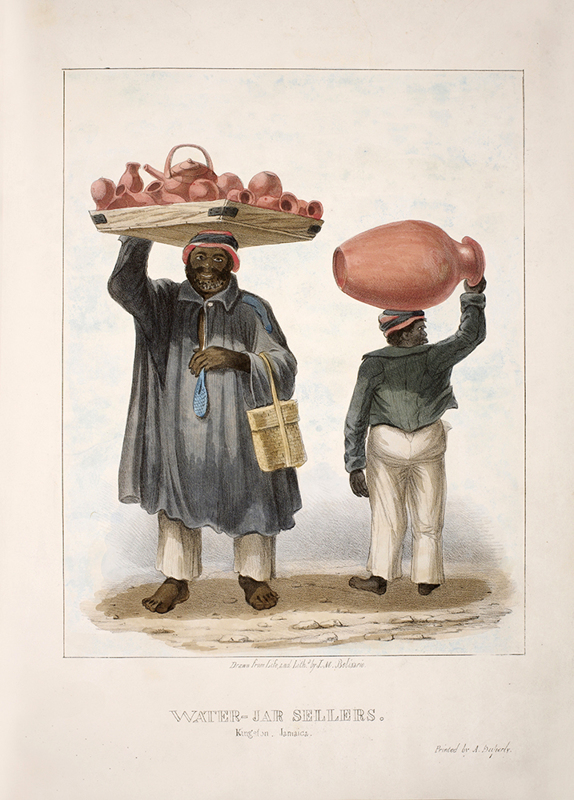
Belisario was the first recorded Jamaican-born artist. Of Sephardic Jewish stock with Spanish and Portuguese origins, the family had close ties to the Sephardic community in London where they moved in 1803. Brought up in London, Isaac trained under Robert Hills, a landscape painter and drawing master, and painted landscapes between 1815 and 1818, before working as a stockbroker. He exhibited a portrait at the Royal Academy in 1831 and is thought to have returned to Jamaica in around 1832. Of the twelve published plates, seven are representations of figures from the masquerades that the formerly enslaved performed in Jamaica during the annual Christmas and New Year's holidays, and four depict examples of different occupations commonly seen in the streets of Kingston, groups that Belisario categorized respectively as the "Christmas Amusements" and the "Cries of Kingston" 'Small in size, and printed on fragile paper, these works are formidable in visual power and energy, and freighted with profound - though complex and ambiguous - historical significance.




- Published
- Kingston: Jamaica by the artist, London: Messrs Jas. Wallace & Co., Messrs. Smith & Clark...1837-38.
- References
- Abbey Travel II 685; Colas 279; Cundall, Bibl. Jamaicensis 294; Bobins 01.
- Plates
- 12
- Binding/Size
- M=4to
- Value
- 25001-100000
- Published
- Kingston: Jamaica by the artist, London: Messrs Jas. Wallace & Co., Messrs. Smith & Clark...1837-38.
- Ref
- 5088
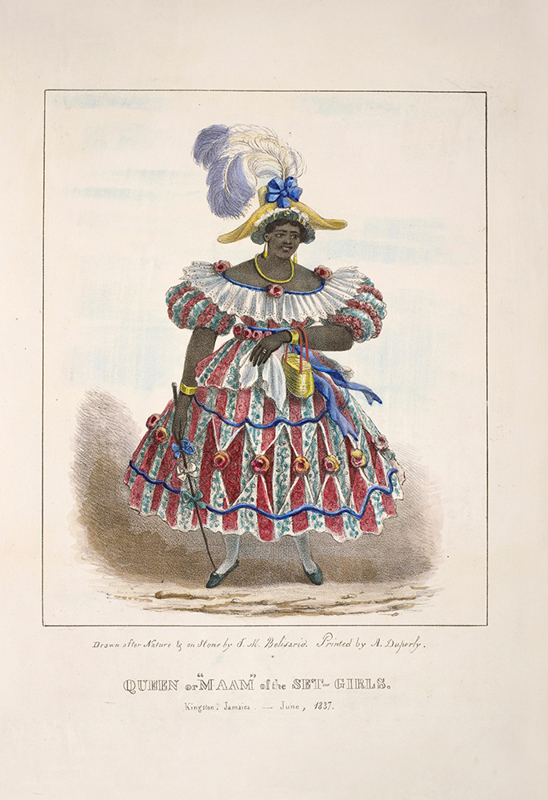
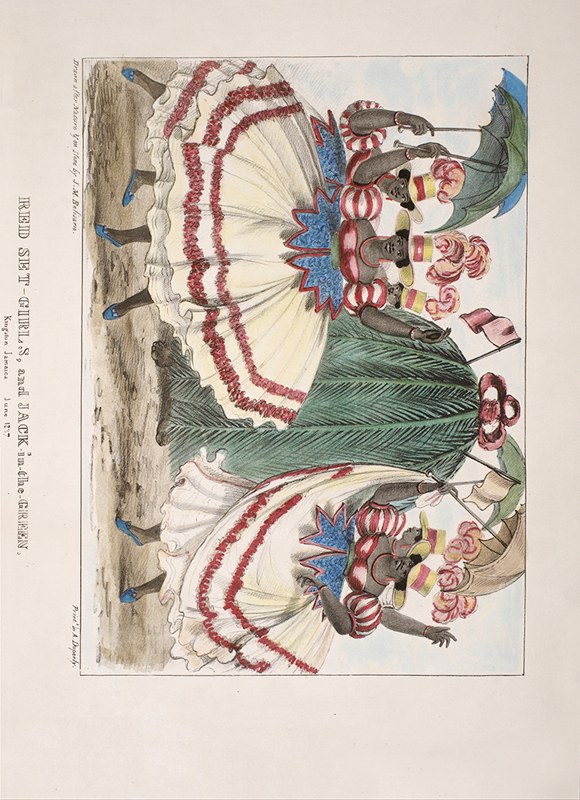
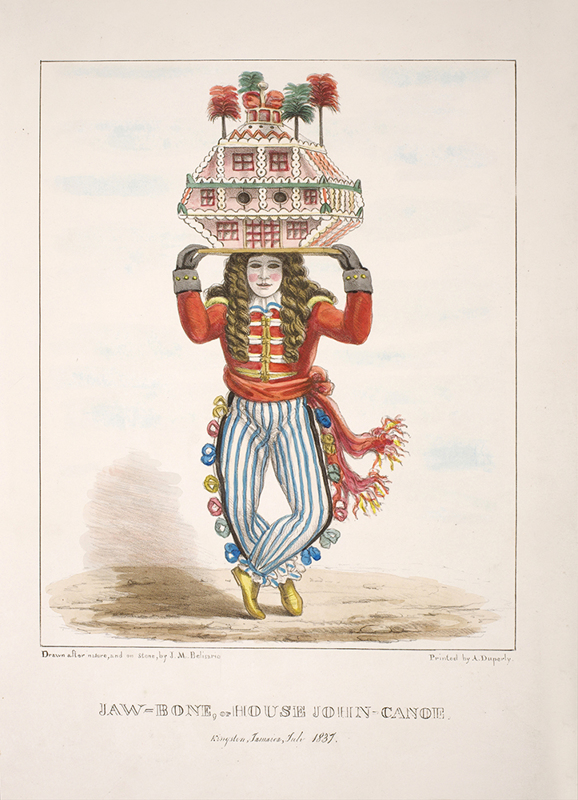
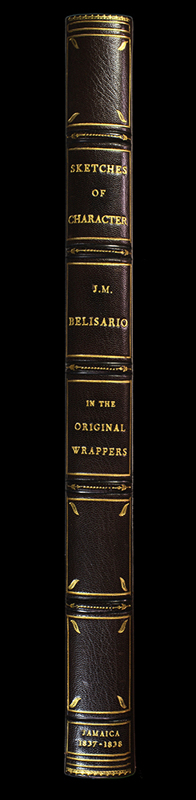
3 original parts, folio, 12 hand-coloured lithographic plates by A. Duperly, loose as issued in original wrappers, preserved in a modern brown morocco box. Single gilt fillets, corner pieces, spine in gilt in compartments, raised bands. Lettered in gilt. Colas erroneously says that only eight plates were published. Although twelve parts were promised in the first part, no trace can be found that more than three were ever produced. Abbey states that it is evident from the last part that the artist was finding it difficult to get fresh material, and it was clear that there was a declining interest and support for the book. The first part is more often found; the second part is rarer, and the third part is seldom found. The plates are mainly costumes and include some Jamaican trades like a chimney sweep, milk-woman, water-jar sellers, and several plates connected with the band of the Jaw-Bone and the House John-Canoe. Coloured plates in order: Part 1. 1. Queen or "Maam" of the Set-Girls. 2. Red Set-Girls, and Jack-in-the-Green. 3. Jaw-Bone, or House John-Canoe. 4. Band of the Jaw-Bone John Canoe. Part 2. 1. "Koo, Koo, or Actor-Boy." 2. As above, but different plate. 3. French Set-Girls. 4. Lovey. Part 3. 1. Water-Jar Sellers. 2. Milkwoman. 3. Chimneysweeper. 4. Creole Negroes. (4 portraits)