If you would like to get in touch, please feel free to contact: email hidden; JavaScript is required
Browse collection
- Full collection
- 18th Century & earlier
- Ackermann
- Africa
- Alken
- Animals
- Arabasia
- Architecture/Mansions
- Art
- Australasia
- Botany
- British Isles
- Caricatures
- Children
- China
- Chromo added colour
- Chromolithographs
- Conchology
- Costume
- Cruikshank
- Culture/Lifestyle
- Dutch
- East European
- Far East
- France
- Furniture/Antiques
- General
- Germany
- Grandville
- Heraldry
- History
- History - England
- History - Europe
- Holy Land
- India
- India - sepia
- Islam
- Italy
- Japan
- Literature
- London
- Manuscript
- Map
- Military
- Monnier
- Natural history
- Pastimes
- Pochoir
- Polar regions
- Portraits
- Religious/Christian
- Religious/other
- Rowlandson
- Russia
- Science
- Scrapbook
- Sepia
- South America
- Sports/Hunting
- Stamps
- Swiss
- The Americas
- Theatre
- Travel/Scenery
- Watercolours
- World
FORBES, James.
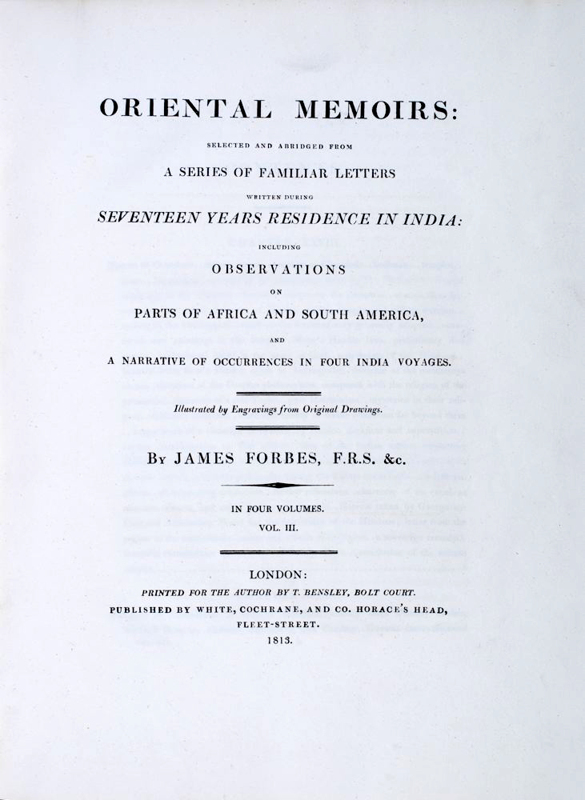
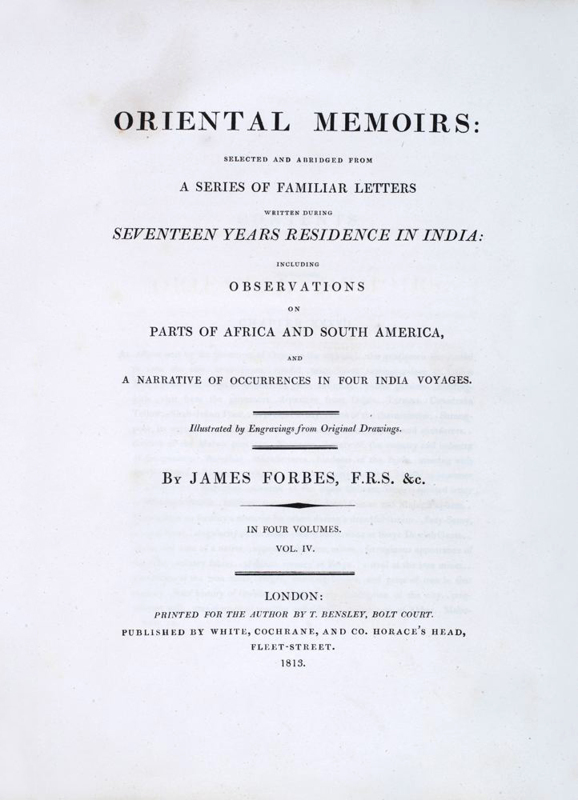
Oriental Memoirs.
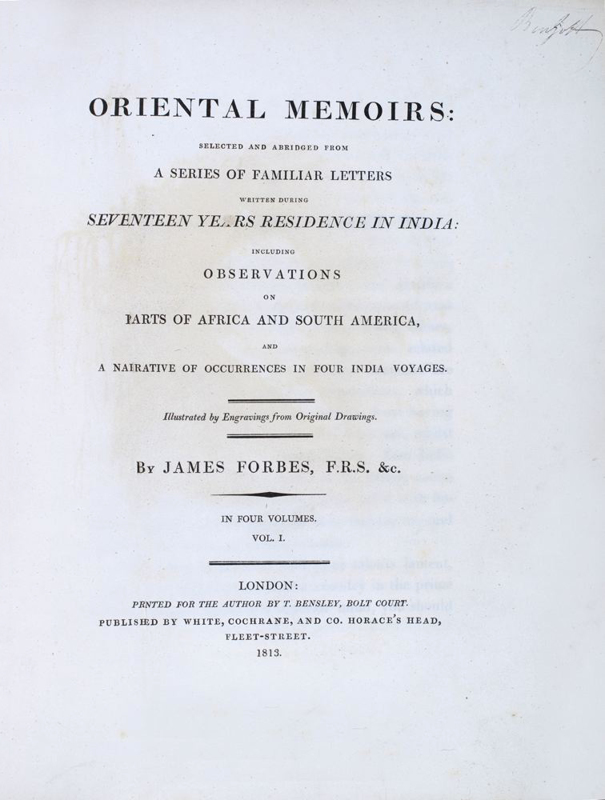
Forbes travelled to Bombay, India in 1765 as a writer for the British East India Company and was resident there until 1784. He was a prolific writer and artist and filled 52,000 manuscript pages with notes, sketches, and color paintings, concerning all aspects of Indian life on the western coast, its wildlife, flora, and architecture. After returning to England he toured continental Europe extensively until returning to England once more to write 'Oriental Memoirs' which he published at his own expense based on the detailed letters and notes he had written during his seventeen years of residence in India. The work documents four voyages to India by Forbes and includes observations on parts of Africa and South America that he visited during these sea voyages.







- Published
- London: printed for the author by T. Bensley, published by White, Cochrane, and Co., 1813
- References
- Abbey Travel II 436; Anker 148; Nissen ZBI 1409; Wood p.345; India Observed, pp. 87-89; Rohatgi and Parlett, Indian Life and Landscape, pp. 191-192
- Plates
- 28
- Binding/Size
- M=4to
- Value
- 0-5000
- Published
- London: printed for the author by T. Bensley, published by White, Cochrane, and Co., 1813
- Ref
- 1295
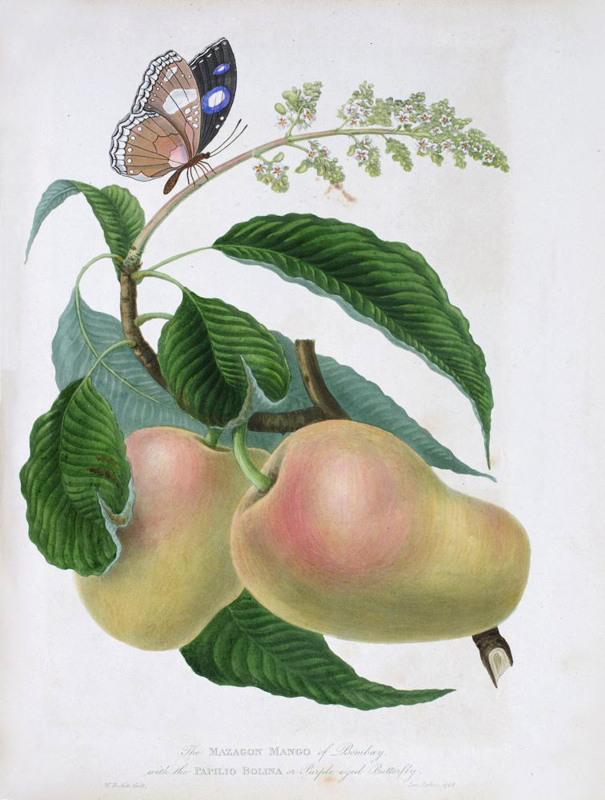
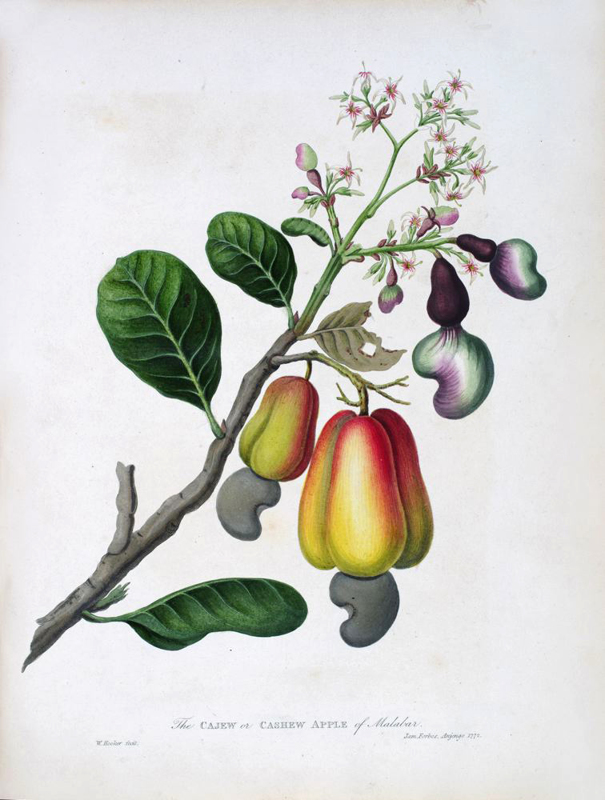
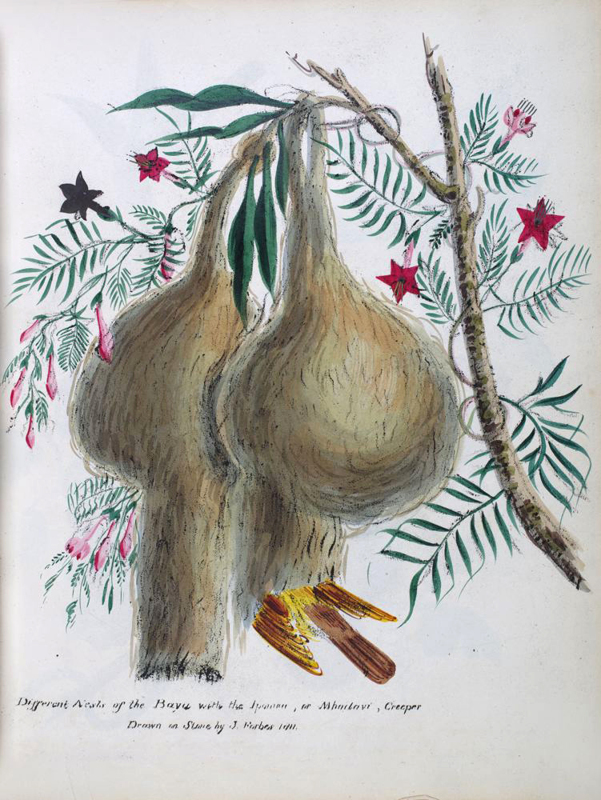
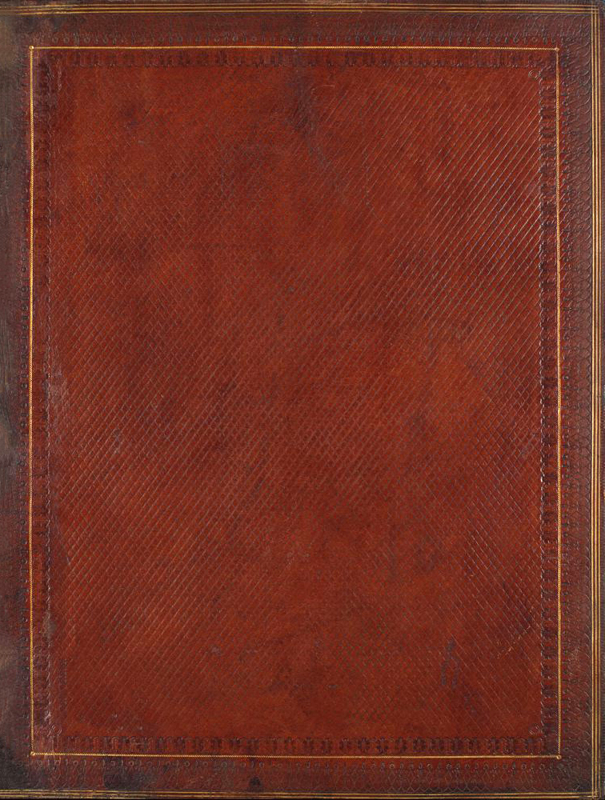
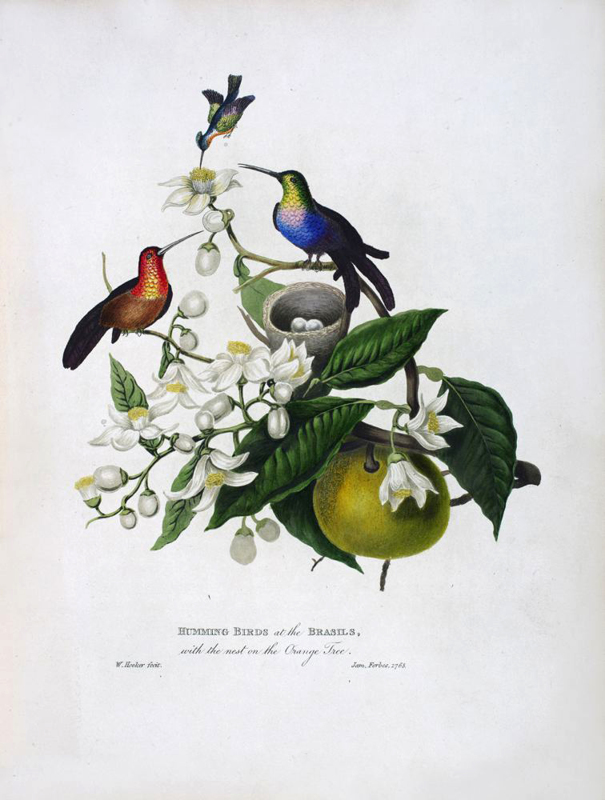
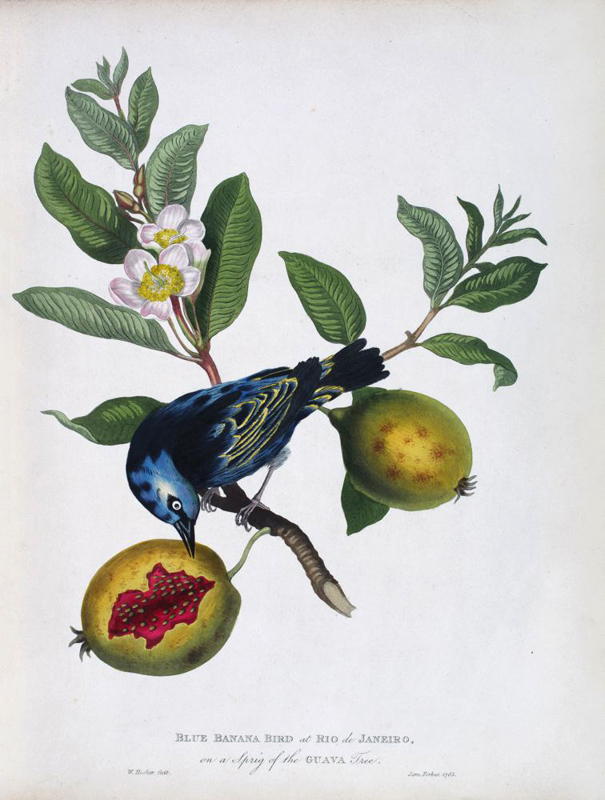
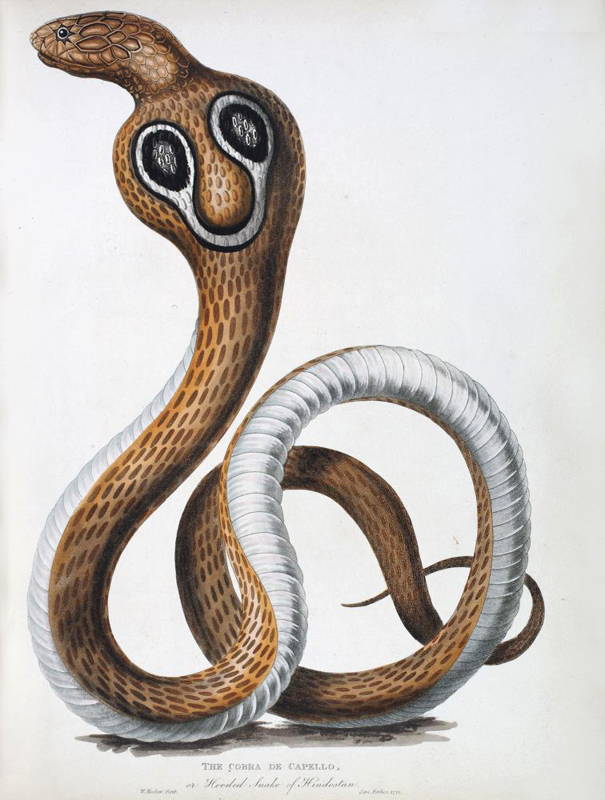
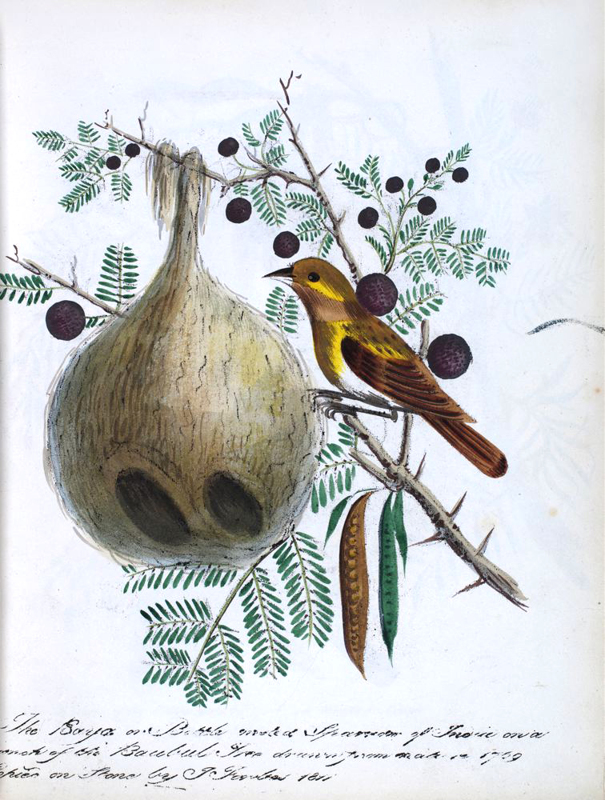
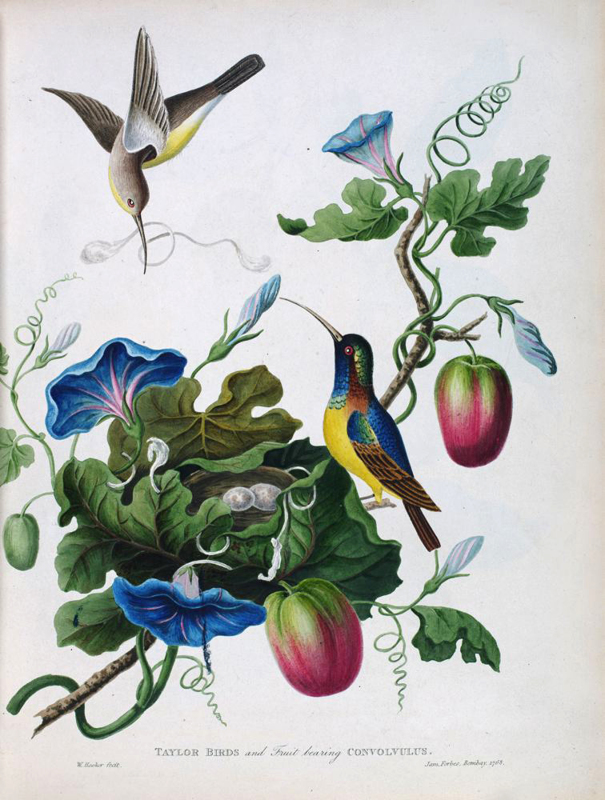
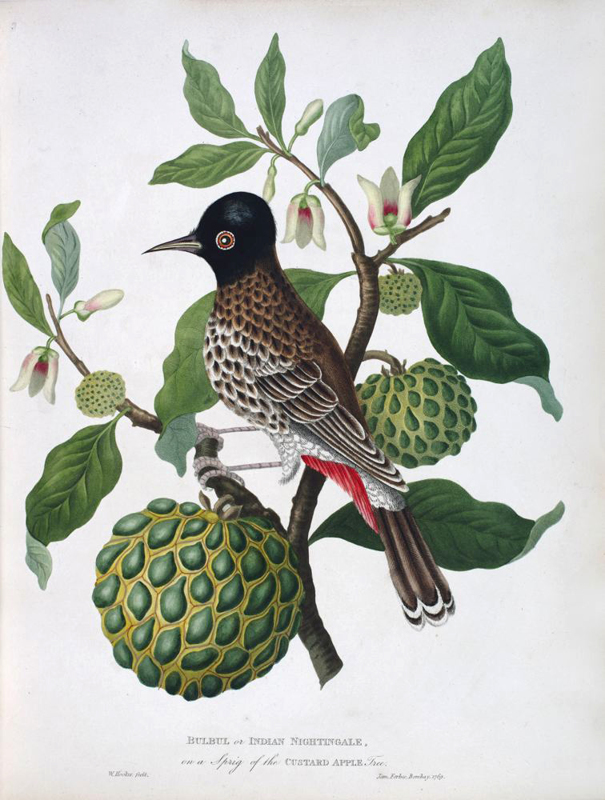
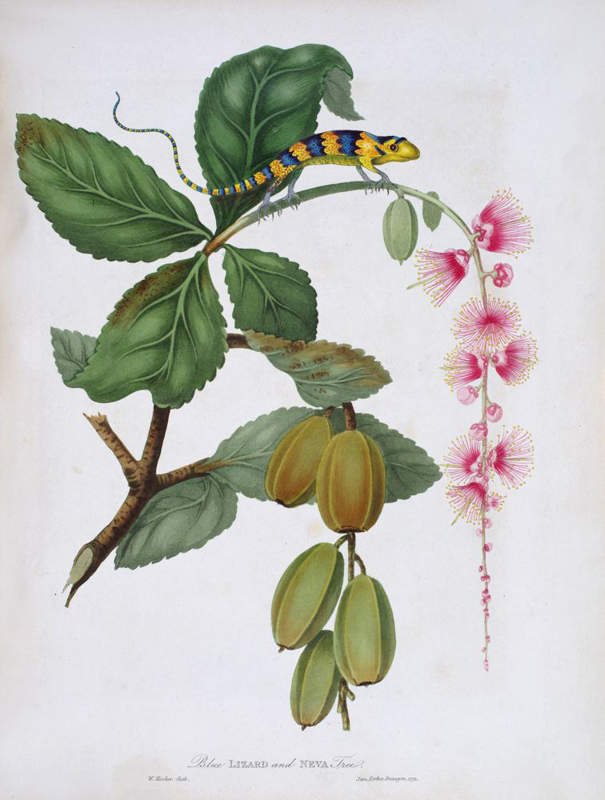
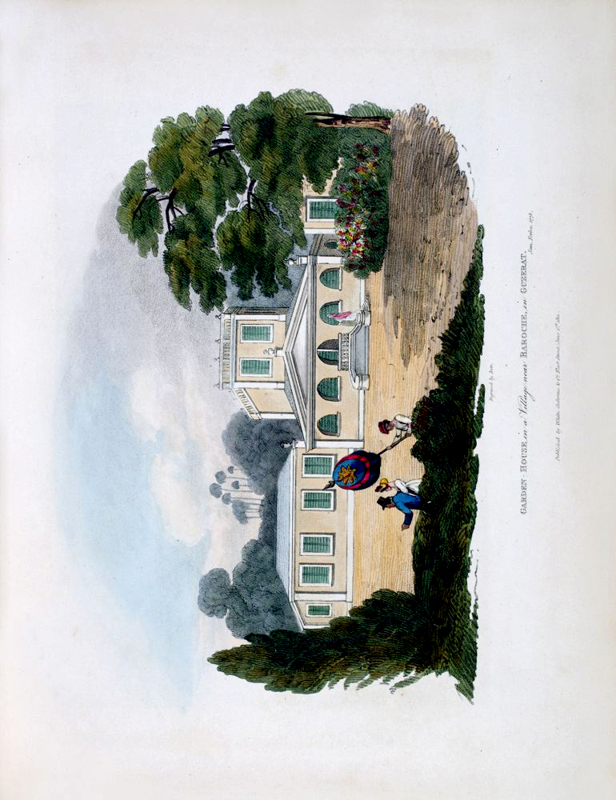
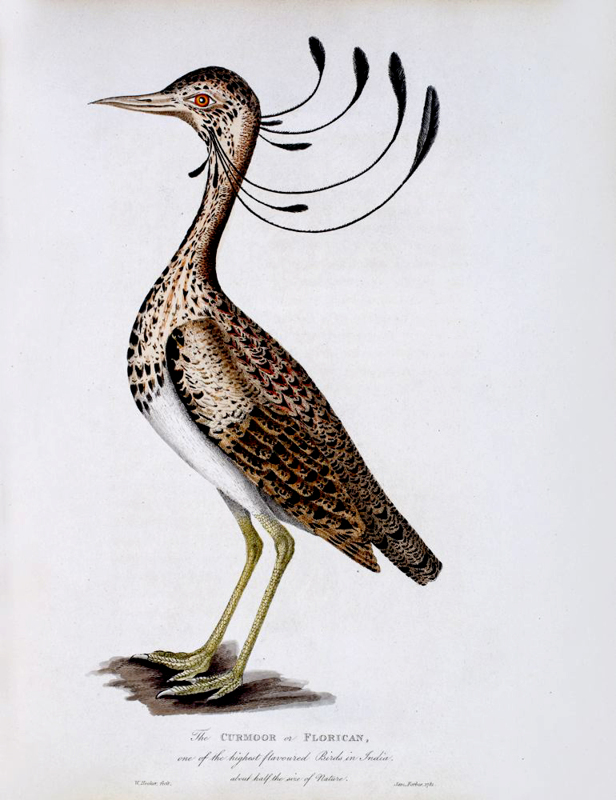
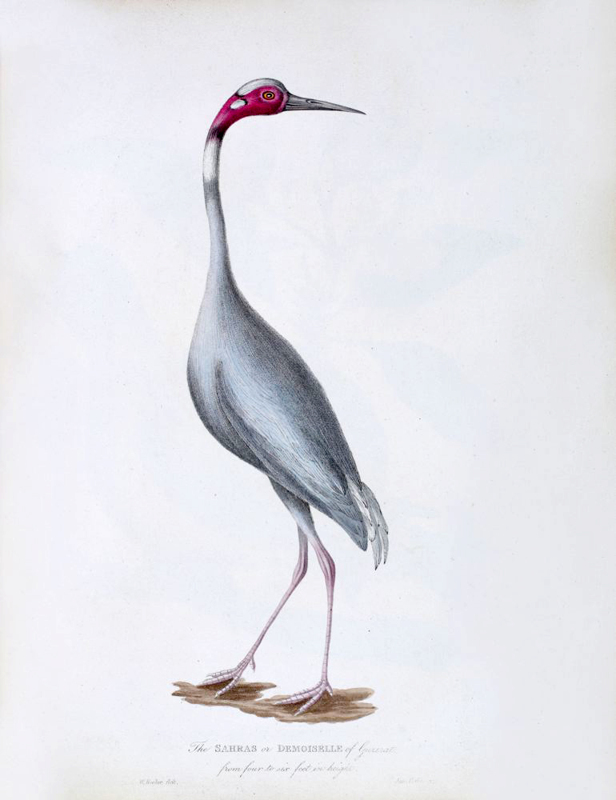
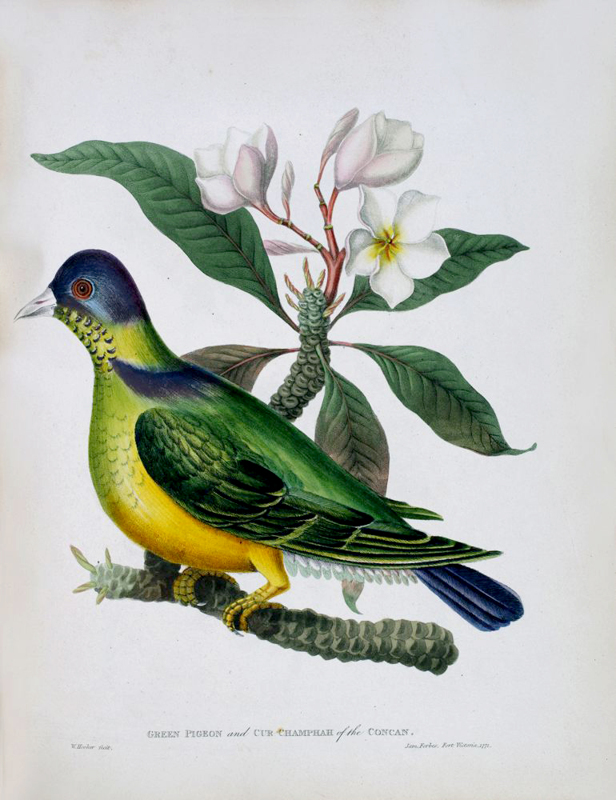
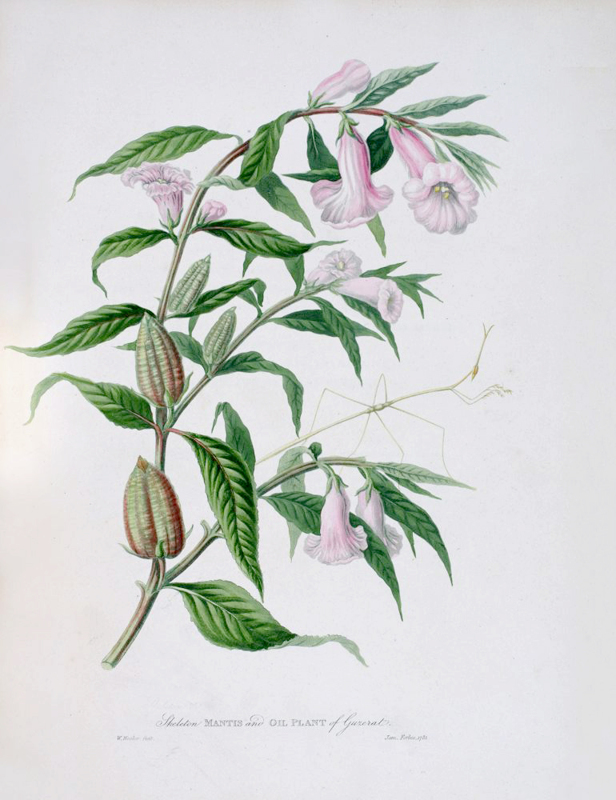
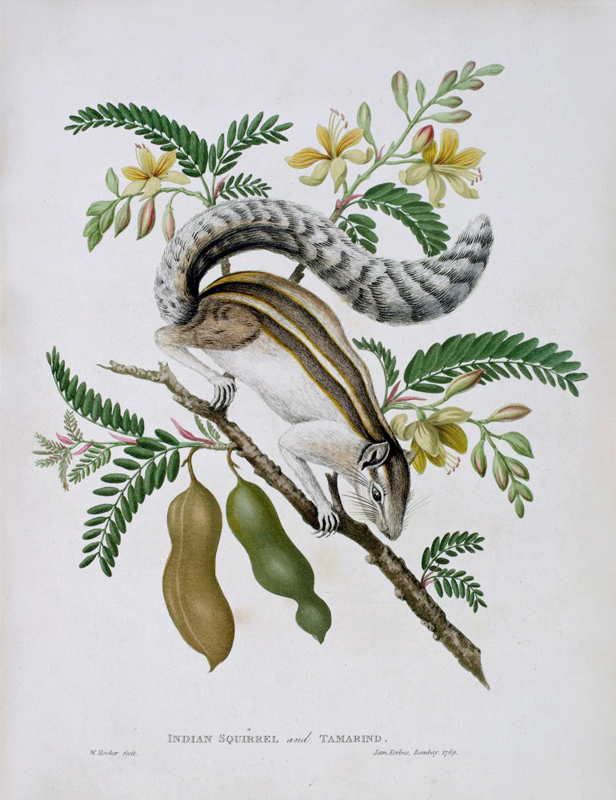
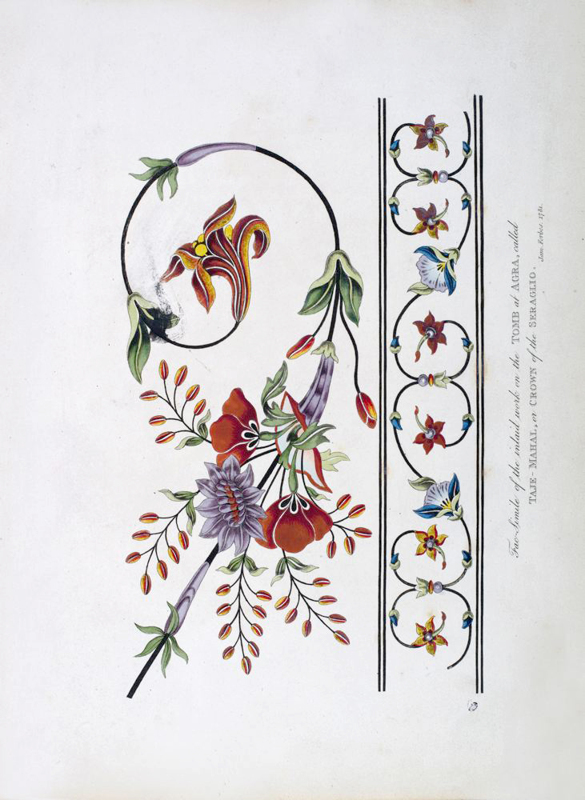
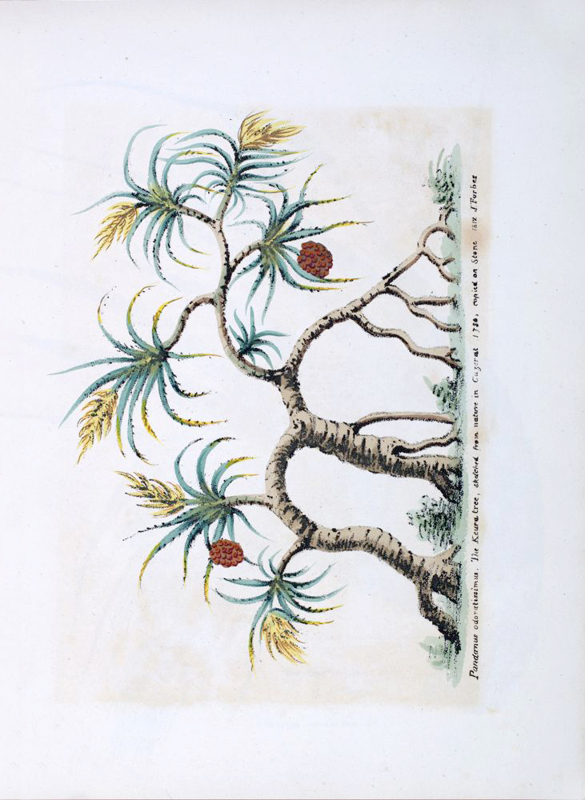
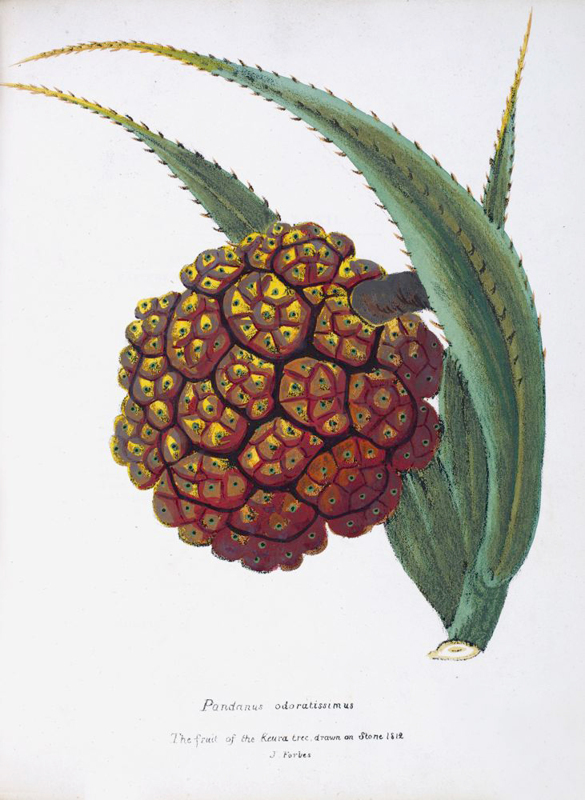
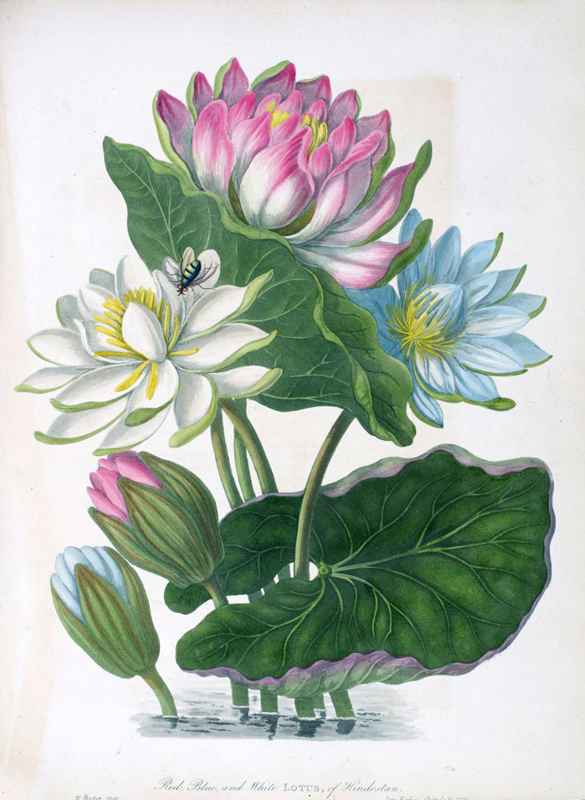
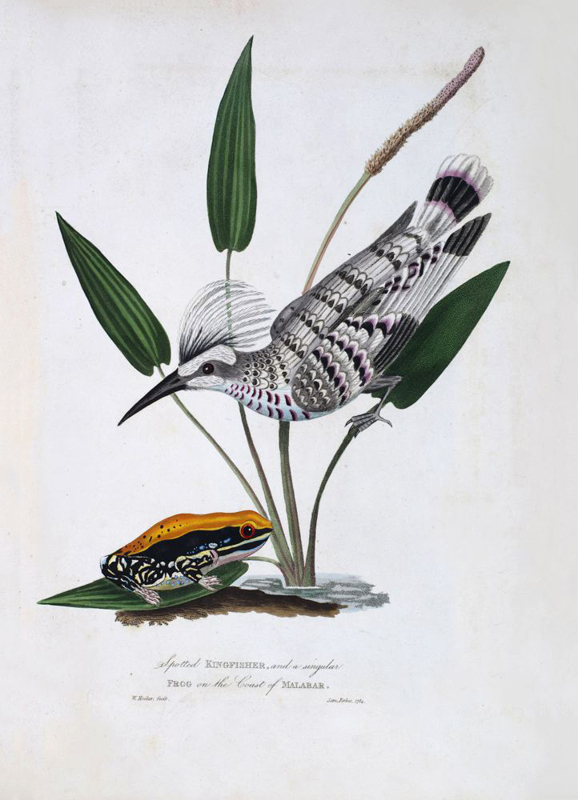
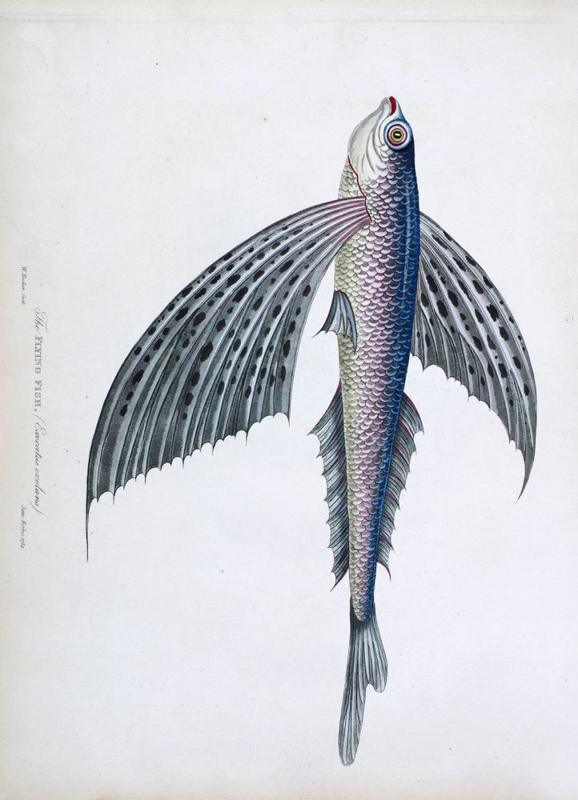
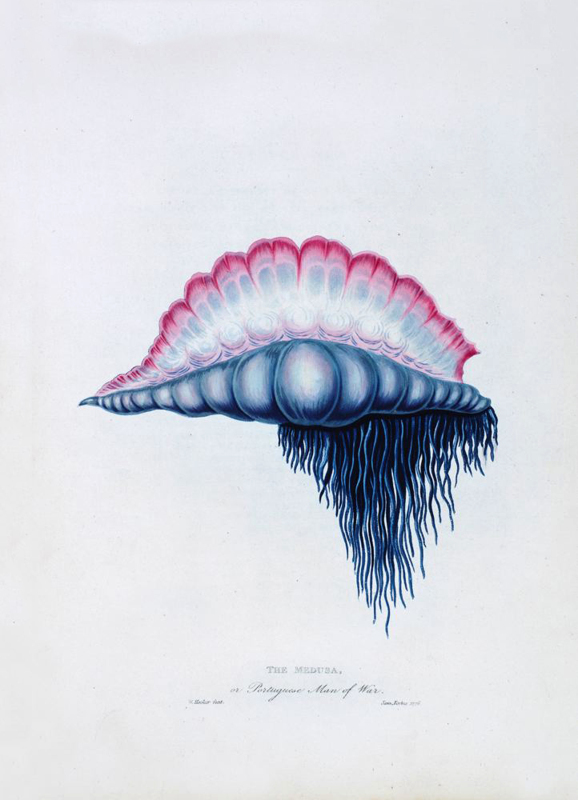
SCARCE. 4 volumes, quarto (11 3/4" x 9 3/4"). Half titles, 1p. errata at the end of vol.IV. Uncoloured stipple-engraved portrait frontispiece to vol.I by Bate after Murphy, 93 plates after Forbes (including 20 hand-coloured aquatints, three hand-coloured stipple engravings, five hand-coloured lithographs, and three uncoloured lithographs). (Lacking one section title in vol.I), some light foxing. Contemporary diced Russia, boards with gilt in parallel and blind with fillets and decorative rolls, expertly re-backed to style, spines in six compartments with raised bands, lettered in the second and third, the others with a repeat decoration in gilt, marbled edges and marbled endpapers. FIRST EDITION of this fascinating work: a snapshot of all aspects of life in India at the turn of the 19th century. In 1775, Forbes went to India as private secretary to Col. Keating and was later appointed to a post in Baroche in Goojerat. In 1780 he became collector and resident of Dubhoy, remaining in India until 1784 when the district where he lived was ceded to the Mahrattas. In 1810, Forbes was put in charge of his fifteen-month-old grandson, the future orator, and historian Charles de Montalembert, and thenceforth his life was divided between Charles and the Oriental Memoirs. The work takes the form of a profusely illustrated series of letters describing many aspects of life in India. According to Abbey, the work was drawn from 152 folio volumes (some 152,000 pages) that Forbes filled with notes and sketches. Indeed, Forbes himself describes the Oriental Memoirs in his preface as the "principal recreation of my life" (preface p.xi). The compiling of the notebooks "beguiled the monotony of four India voyages, cheered a solitary residence at Anjengo and Dhuboy, and softened the long period of absence from my native country: it has since mitigated the rigor of captivity and alleviated domestic sorrow. Drawing to me had the same charm as music to the soul of harmony. In my secluded situation in Guzerat, I seemed to be blest with another sense. My friends in India were happy to enlarge my collection; the sportsman suspended his career after the royal game to procure me a curiosity; the Hindoo often brought a bird or an insect for delineation, knowing it would then again regain its liberty; and the brahmin supplied specimens of fruit and flowers from his sacred enclosures" (op.cit. p.xi). The work has been noted as a "publication of massive weight and great charm" (India Observed) but is noted mainly for its illustrations, which include a mixture of natural history images of birds, animals, insects, and plants (most hand-coloured and many executed by William Hooker), topographical views of locations in India, and both ethnographic and individual portraits. In addition, the work includes among the earliest examples of lithography, including eight plates drawn on stone by Forbes himself. Coloured plates in order: Volume 1. 1. Humming Birds at the Brasils, with the nest on the Orange Tree. 2. Blue Banana Bird at Rio de Janeiro, on a Sprig of the Guava Tree. 3. The Cobra de Capello or Hooded Snake of Hindostan. 4. The Barja or Bottle Nested Sparrow of India on a branch of the Baubul Tree drawn from nature... 5. Different nests of the Banya, with the Ipomen, or Mhadavi Creeper drawn from nature... 6. Taylor Birds and Fruit-bearing Convolvulus. 7. Bulbul or Indian Nightingale, on a Sprig of the Custard Apple Tree. 8. Blue Lizard and Neva Tree. 9. The Mazagon Mango of Bombay with the Papilio Bolina or Purple-eyed Butterfly. 10. The Cajew or Cashew Apple of Malabar. Volume 2. 11. Garden House in a Village near Baroche, in Guzerat. 12. The Curmoor or Florican, one of the highest flavoured Birds in India... 13. The Sahras or Demoiselle of Guzerat... 14. Green Pigeon and Cur Champhah of the Conican. 15. Blue Locust and Faggot Caterpillar with its Nests, on the Variegated Acacia or Baubel Tree. 16. Skeleton Mantis and Oil Plant of Guzerat. 17. Indian Squirrel and Tamarind. 18. Grains in Guzerat. (1) Boutah or Natchnee (Cynosorus crocanus) (2) Buntee (3) Codra (Paspalum Hora) (4) Chena (Panicum miliacoeum). 19. Grains in Guzerat. (1) Juarree (Heleus sorghum) (2) Bahjeree (Panicum italicum) (3) Batty or Rice (Oryza sativa). 20. The Mahwhaw Tree of Guzerat. Volume 3. 21. Fac-simile of the inlaid work on the Tomb of Agra, called Taje-Mahal, or Crown of the Seraglio. 22. Pandanus odoratissimus. The Keura tree sketched from nature in Guzerat... 23. Pandanus odoratissimus. The flower and young fruit of the Keura. 24. Pandanus odoratissimus. The fruit of the Keura tree... 25. Red, Blue, and White Lotus, of Hindostan. Volume 4. 26. Spotted Kingfisher and a singular Frog on the Coast of Malabar. 27. The Flying Fish (Exocatus evolans). 28. The Medusa or Portuguese Man of War.