If you would like to get in touch, please feel free to contact: email hidden; JavaScript is required
Browse collection
- Full collection
- 18th Century & earlier
- Ackermann
- Africa
- Alken
- Animals
- Arabasia
- Architecture/Mansions
- Art
- Australasia
- Botany
- British Isles
- Caricatures
- Children
- China
- Chromo added colour
- Chromolithographs
- Conchology
- Costume
- Cruikshank
- Culture/Lifestyle
- Dutch
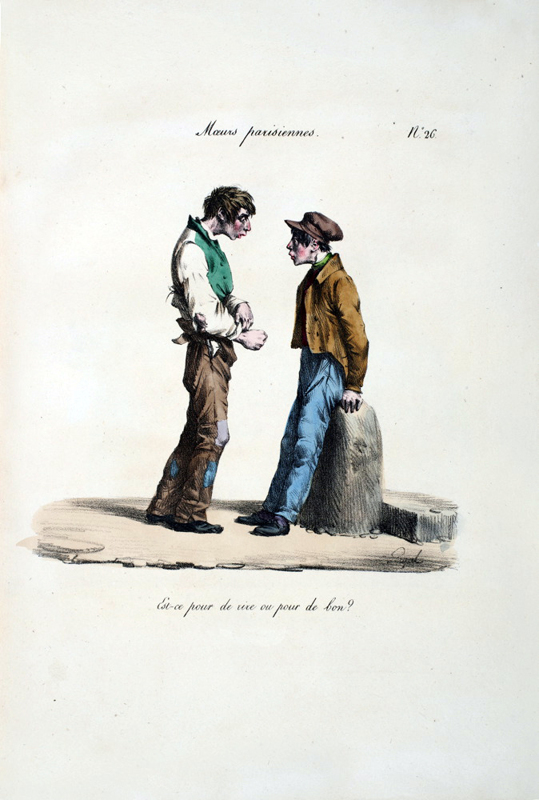
- East European
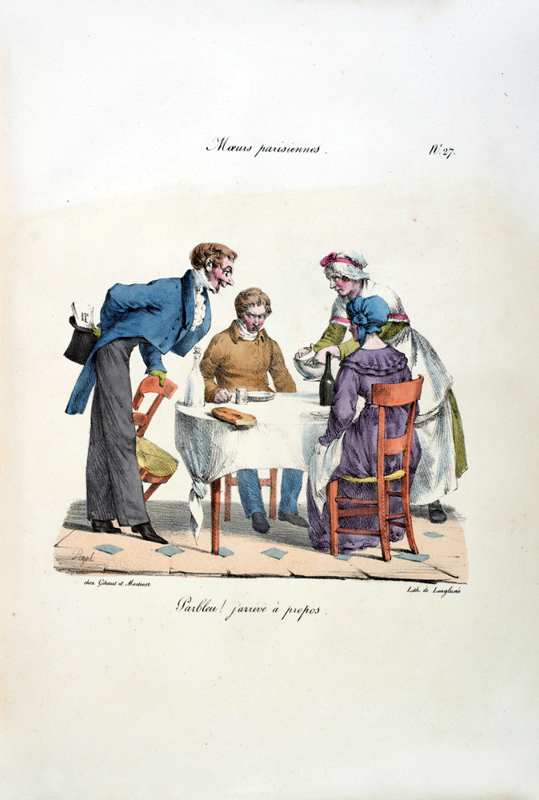
- Far East
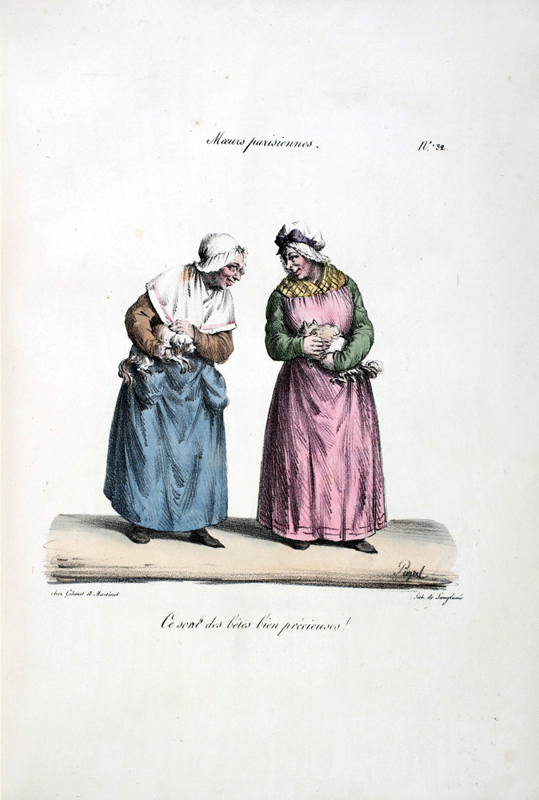
- France
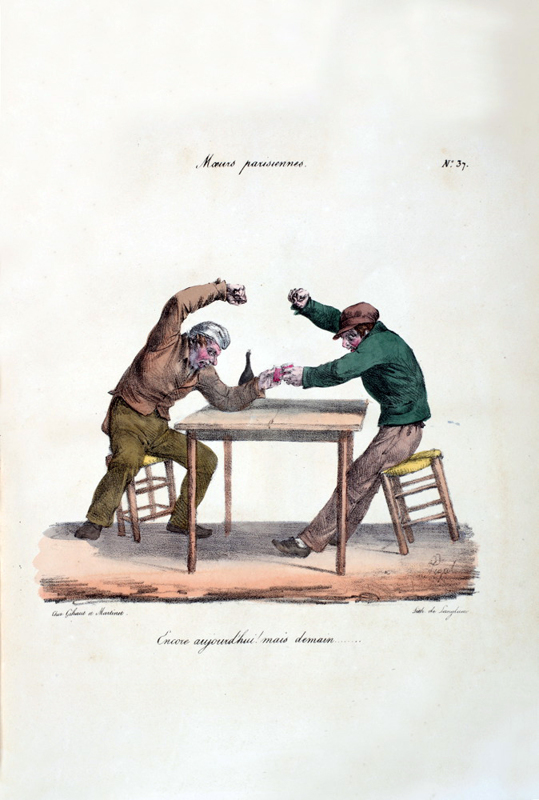
- Furniture/Antiques
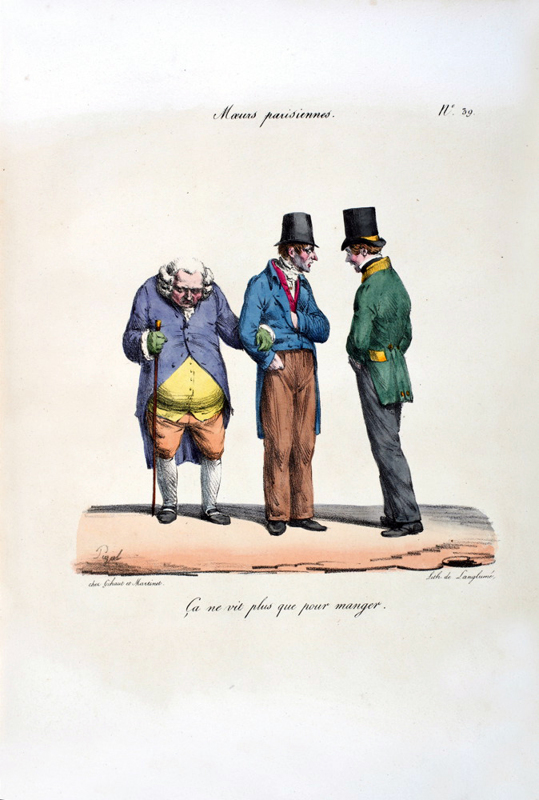
- General
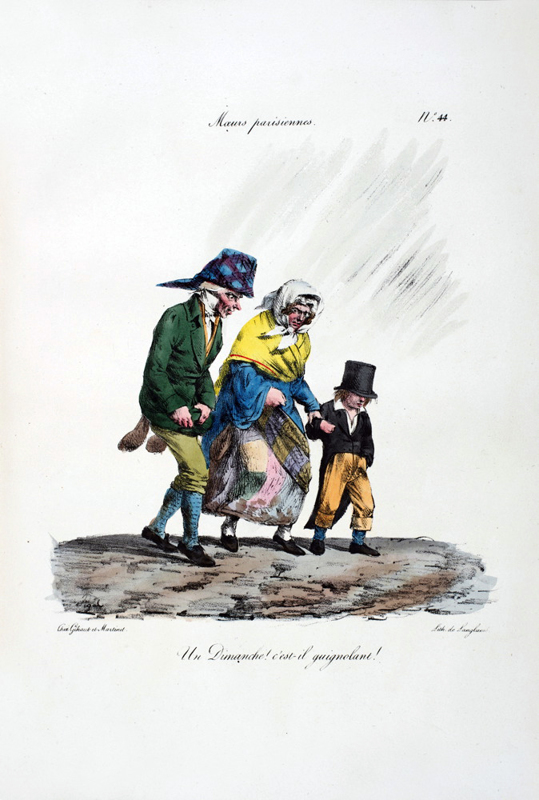
- Germany
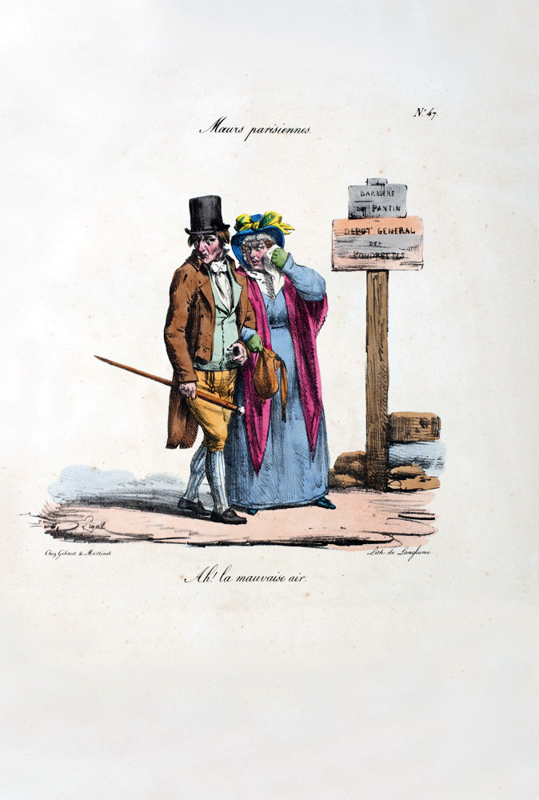
- Grandville
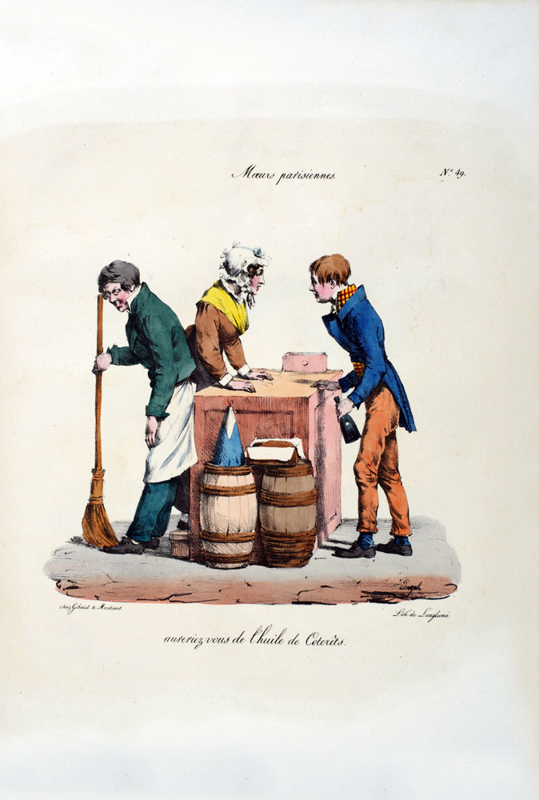
- Heraldry
- History
- History - England
- History - Europe
- Holy Land
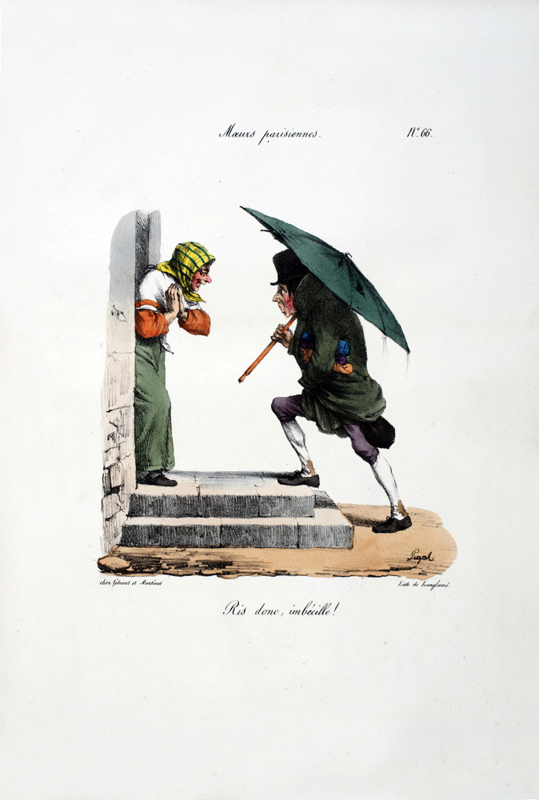
- India
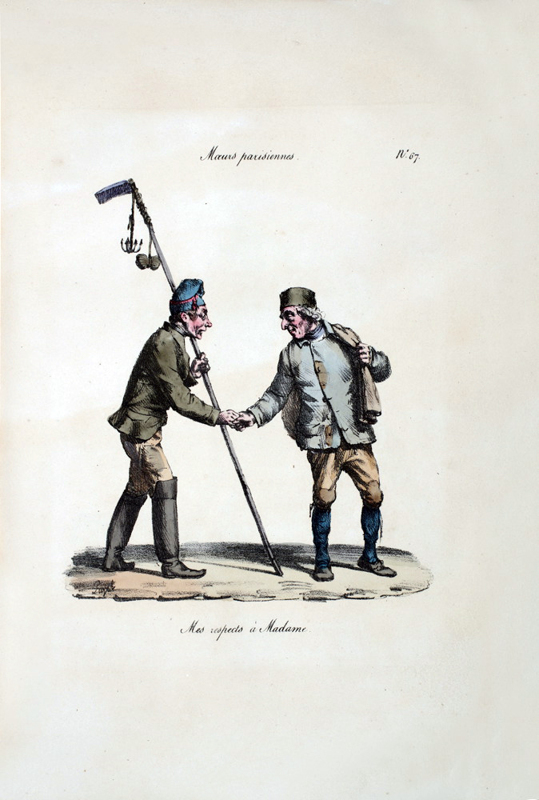
- India - sepia
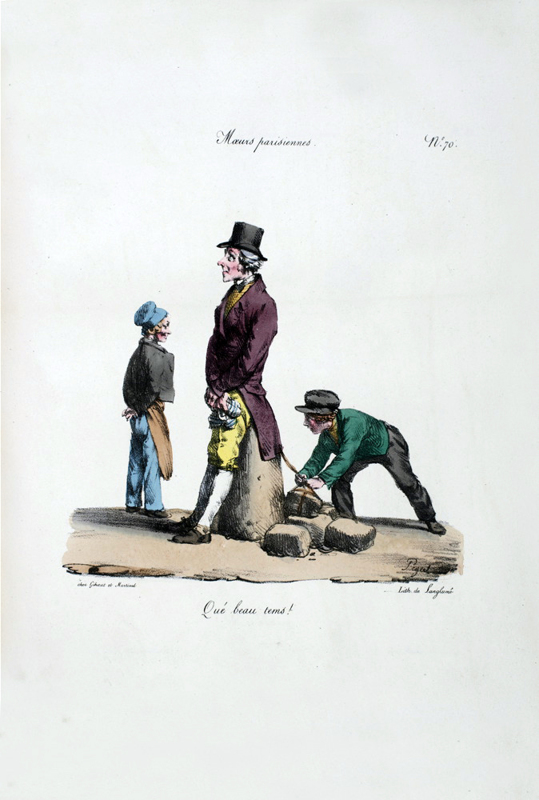
- Islam
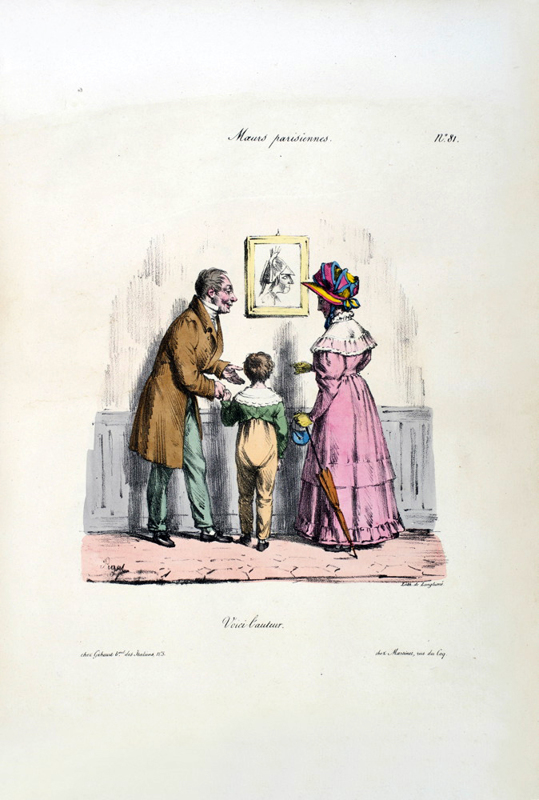
- Italy
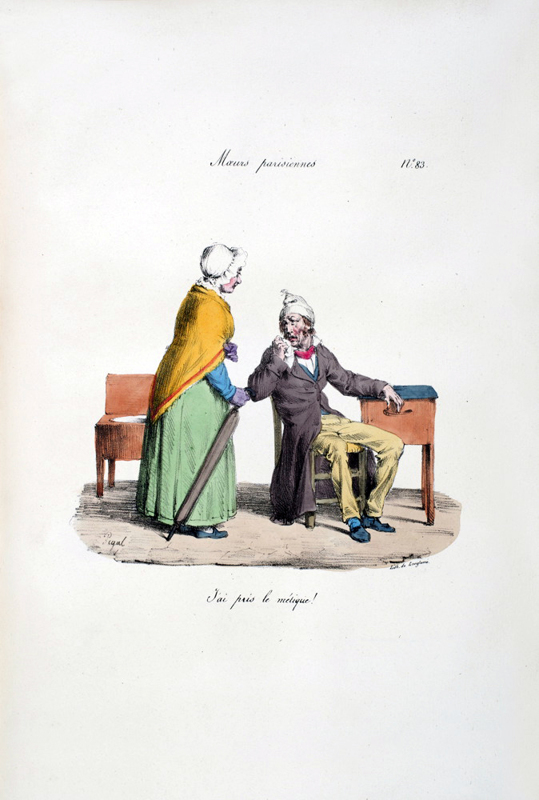
- Japan
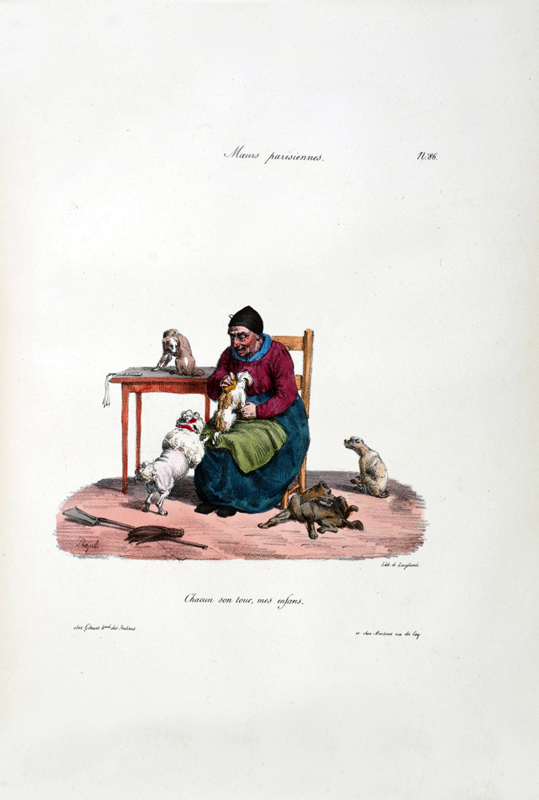
- Literature
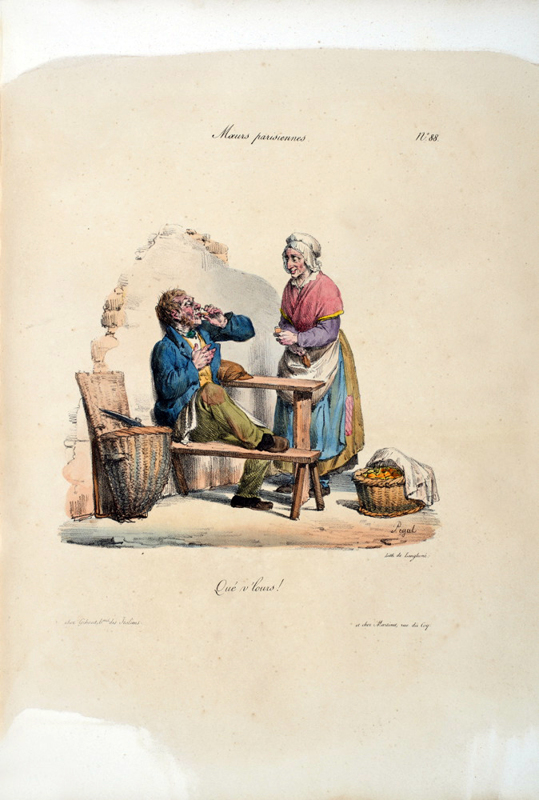
- London
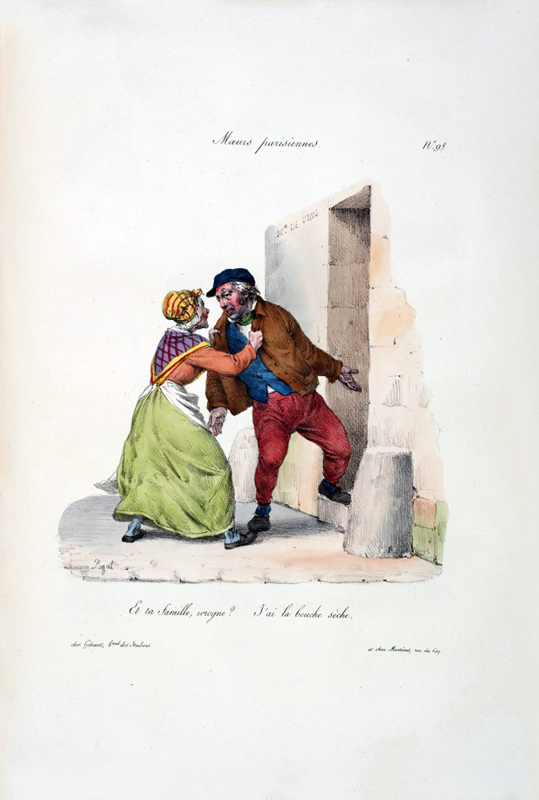
- Manuscript
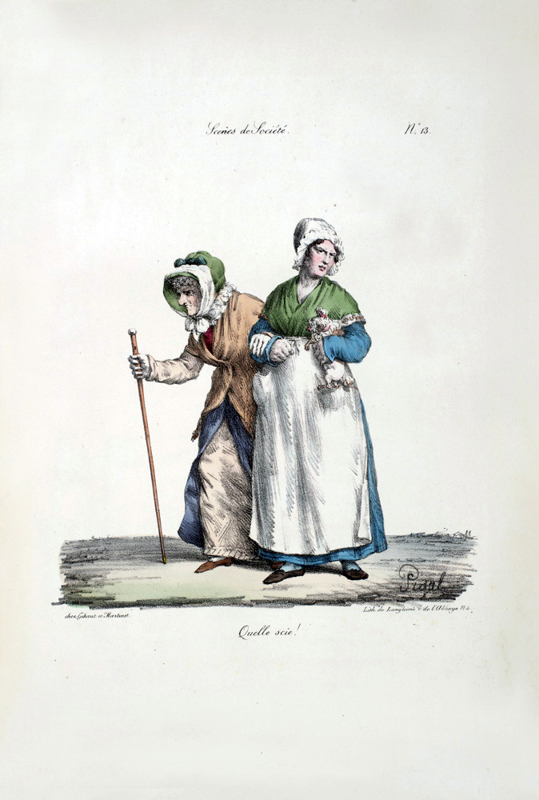
- Map
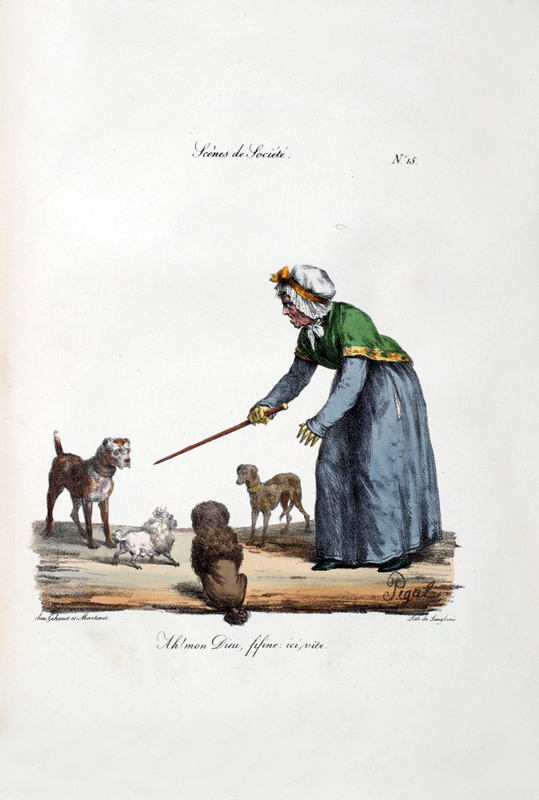
- Military
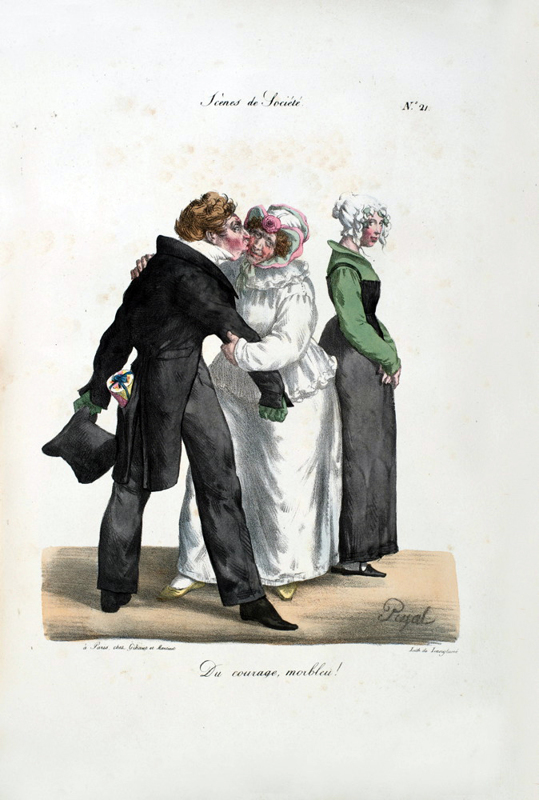
- Monnier
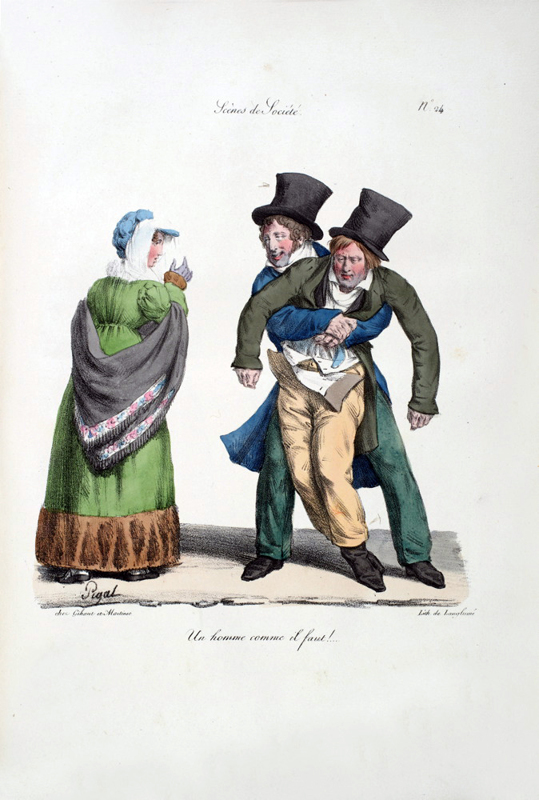
- Natural history
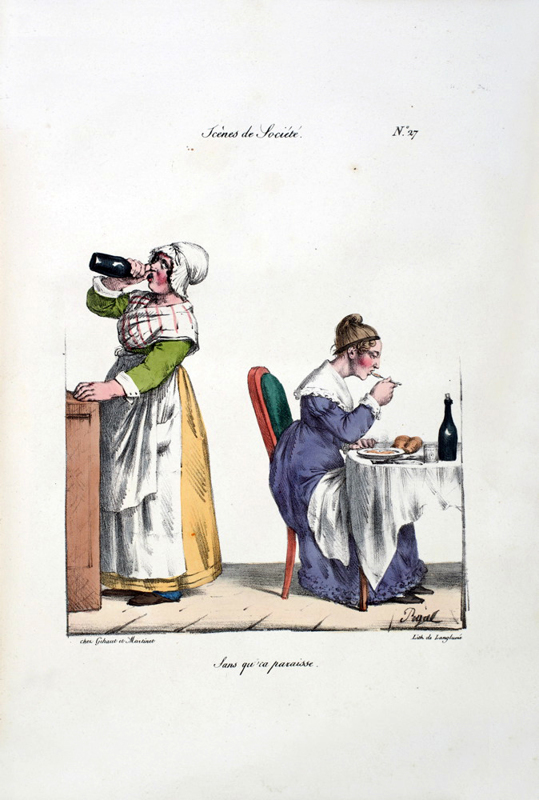
- Pastimes
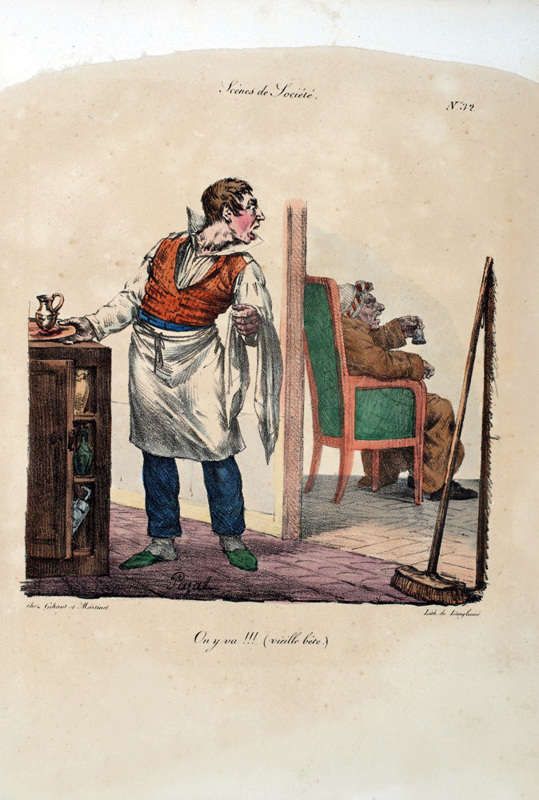
- Pochoir
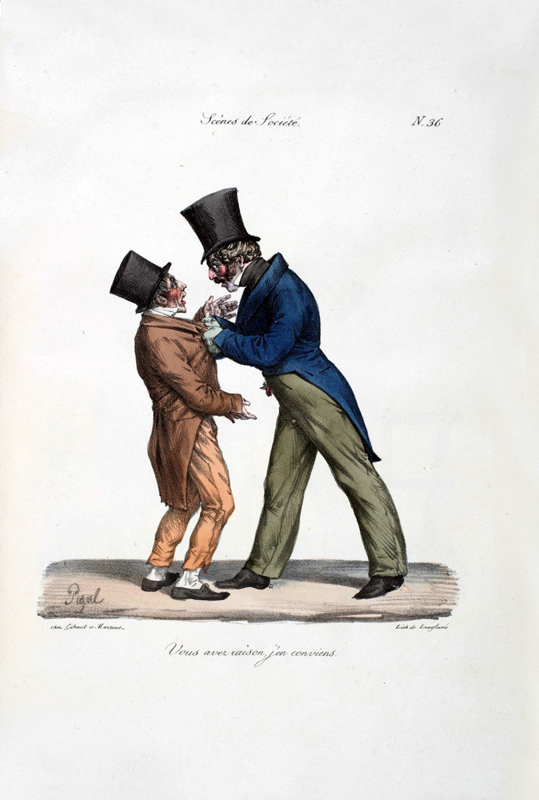
- Polar regions
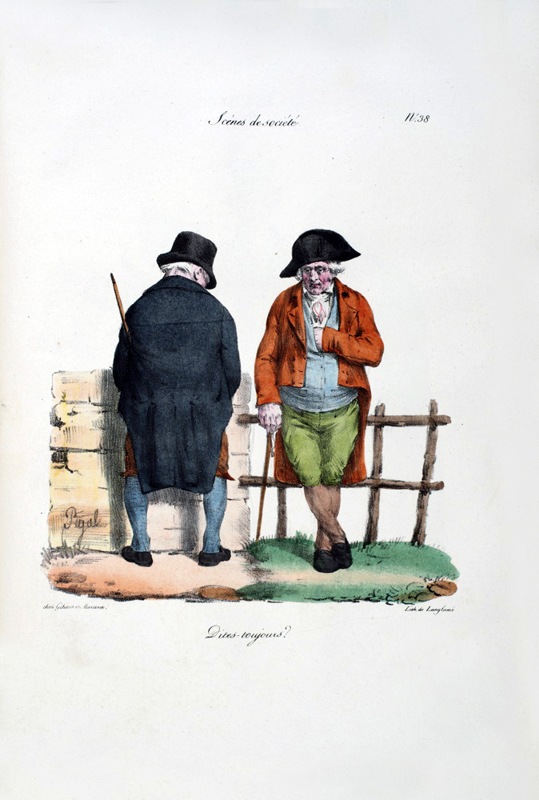
- Portraits
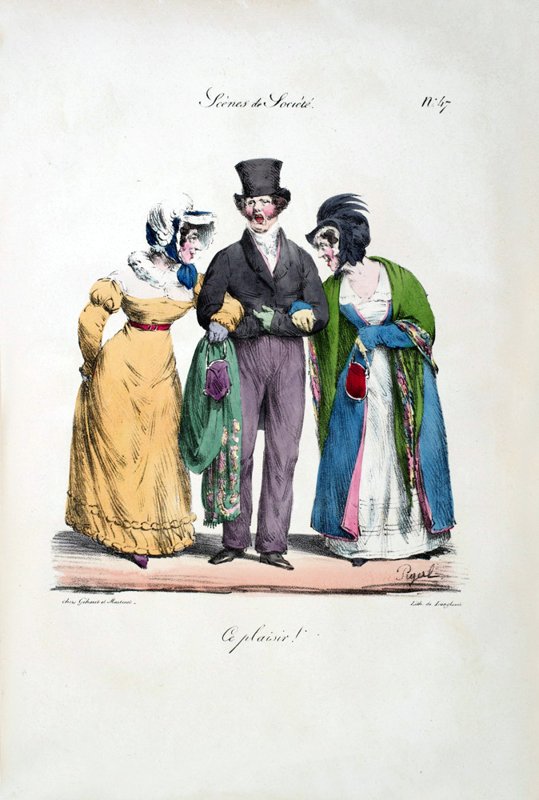
- Religious/Christian
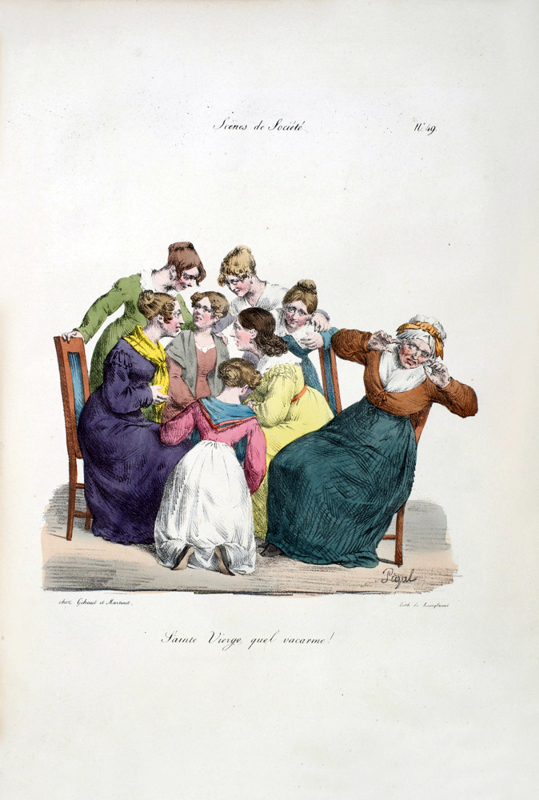
- Religious/other
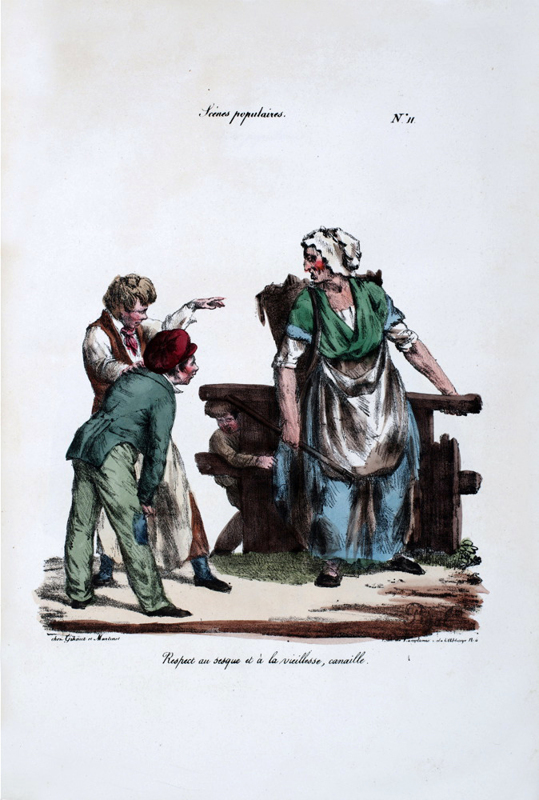
- Rowlandson
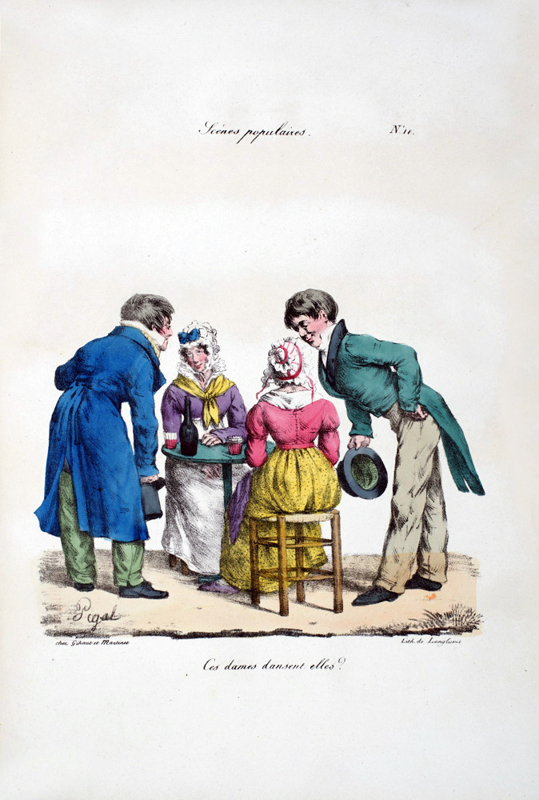
- Russia
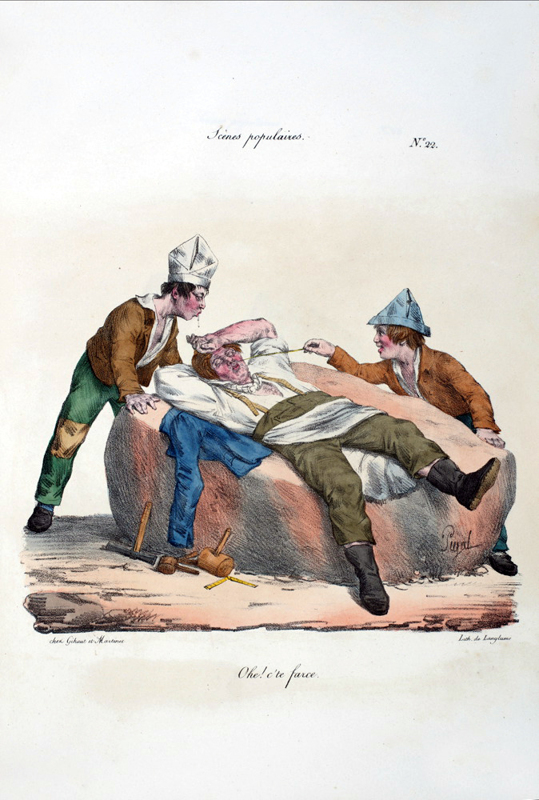
- Science
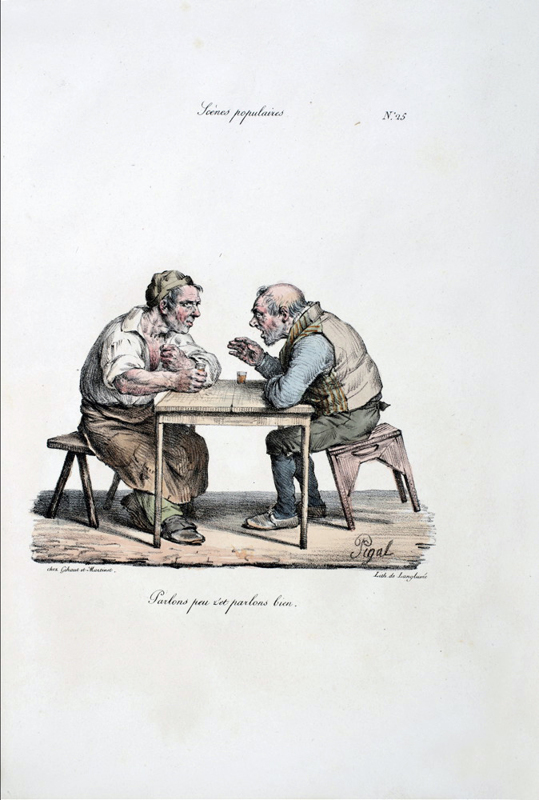
- Scrapbook
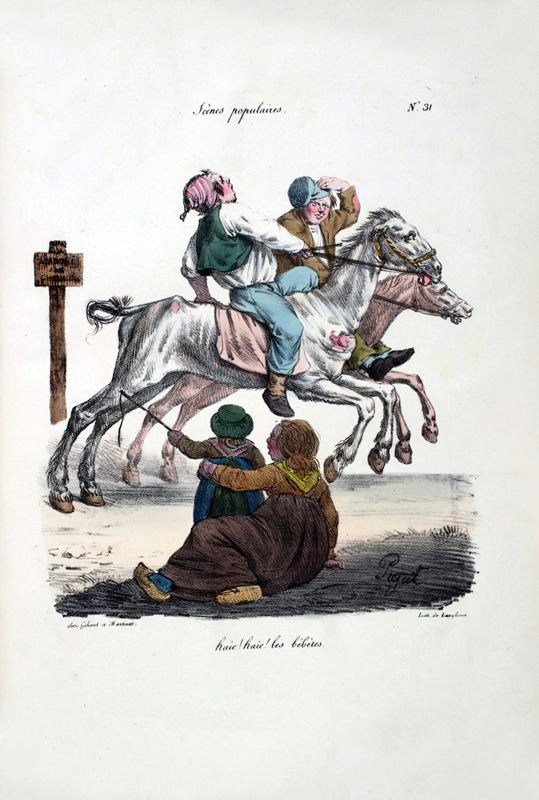
- Sepia
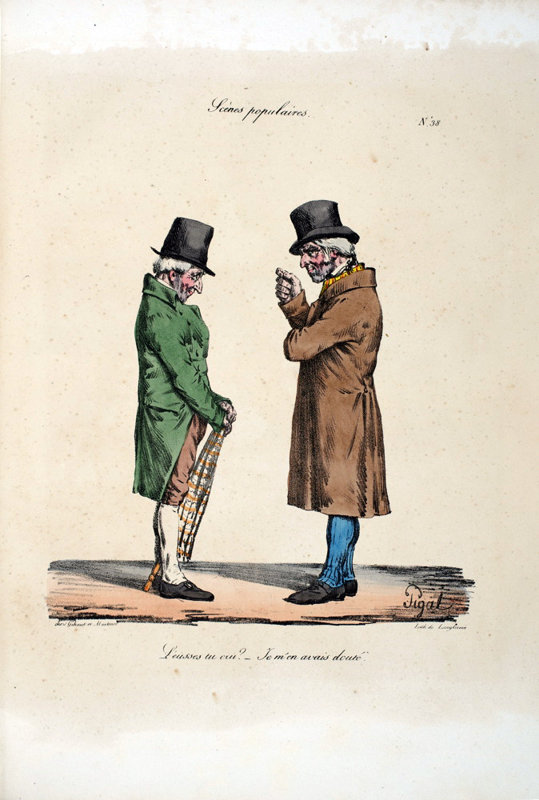
- South America
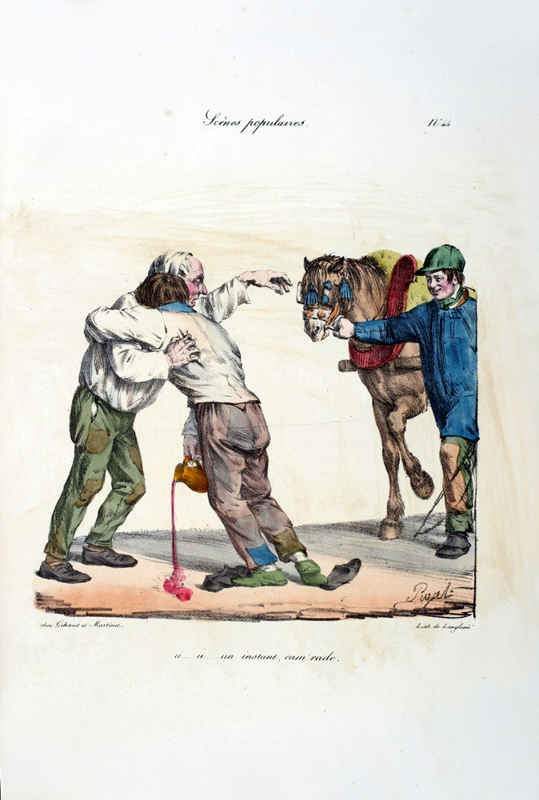
- Sports/Hunting
- Stamps
- Swiss
- The Americas
- Theatre
- Travel/Scenery
- Watercolours
- World
PIGAL, Edme Jean.
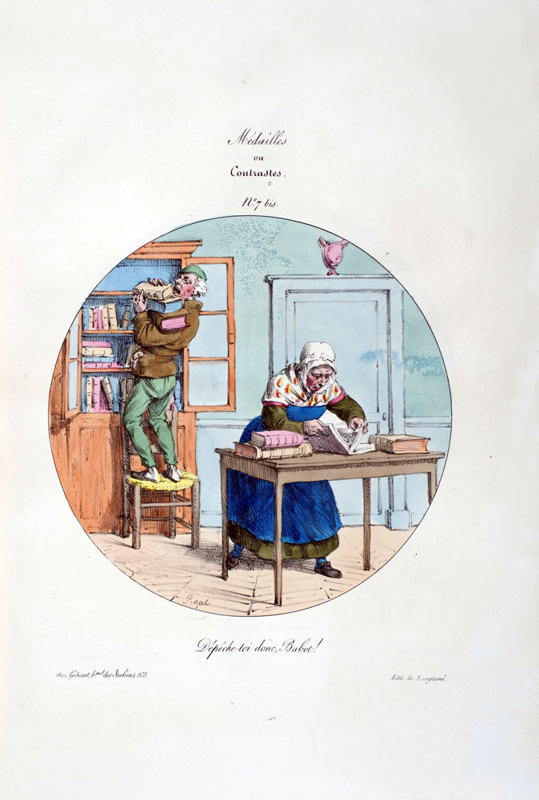
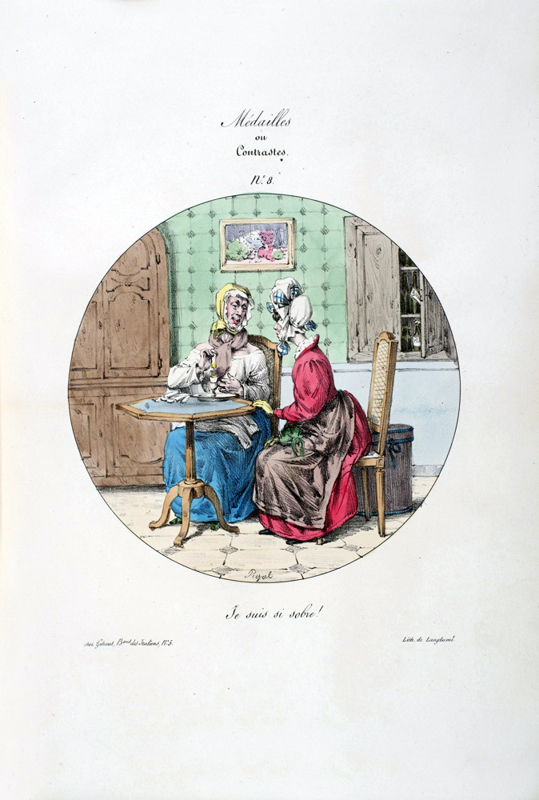
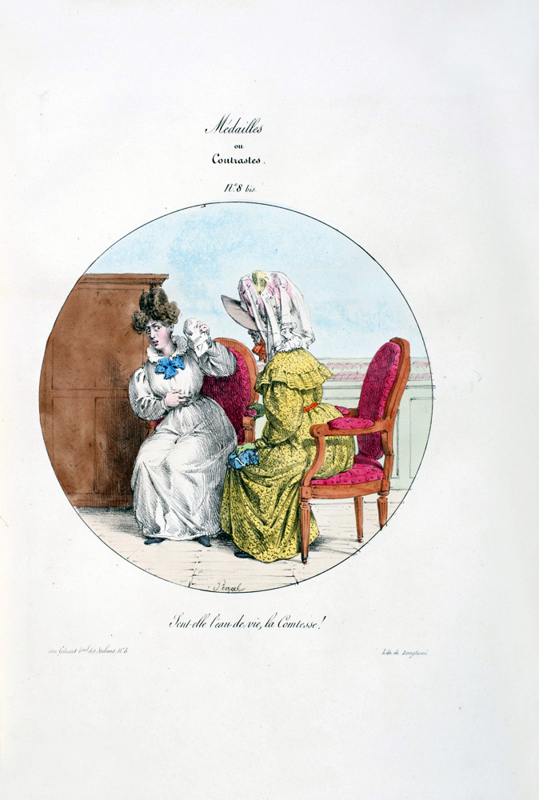
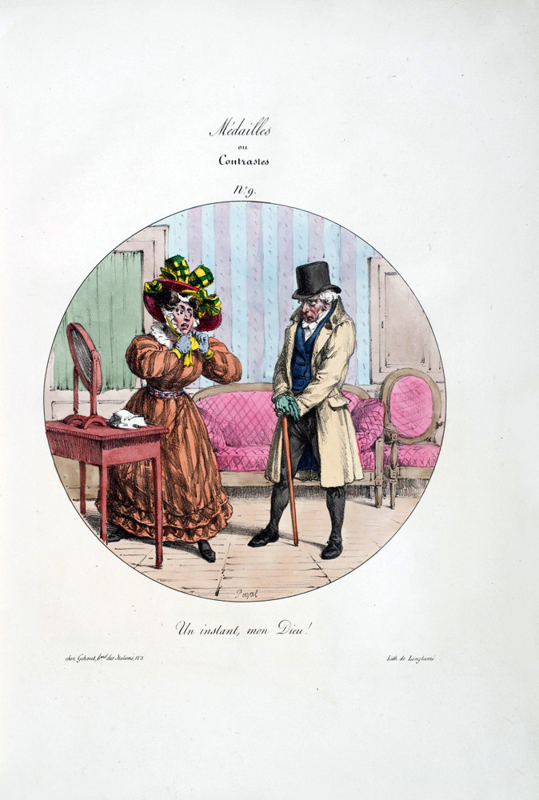
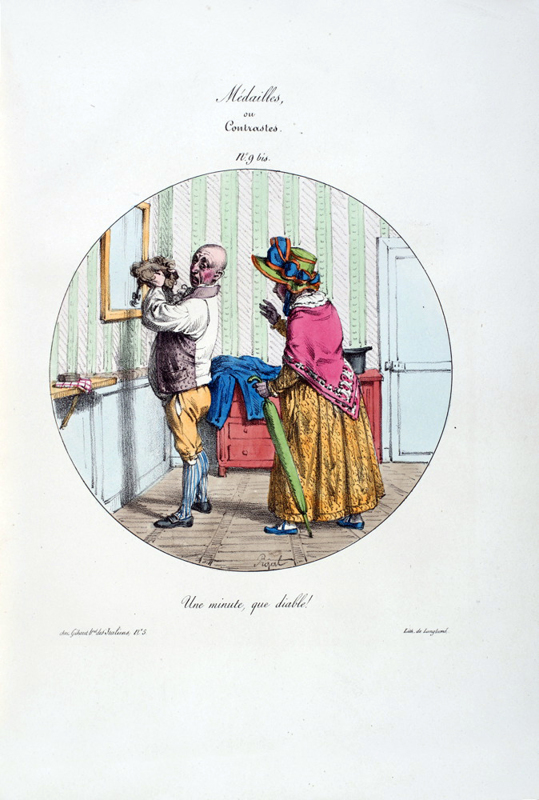
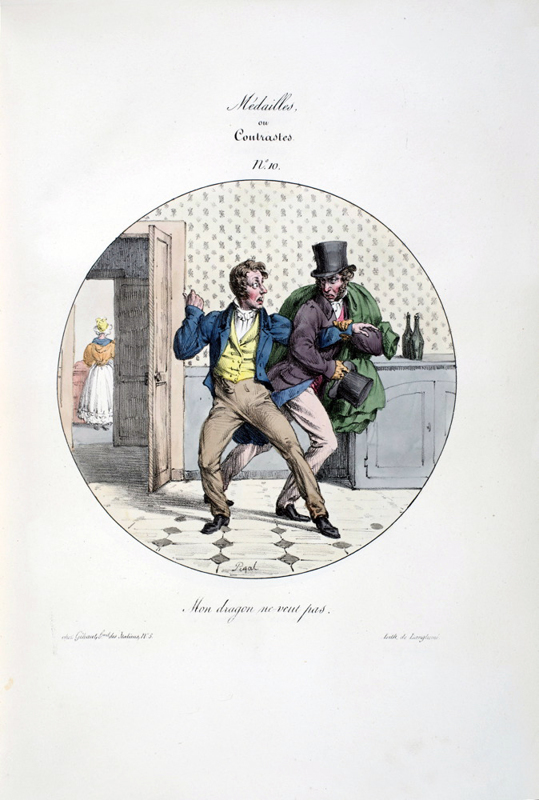
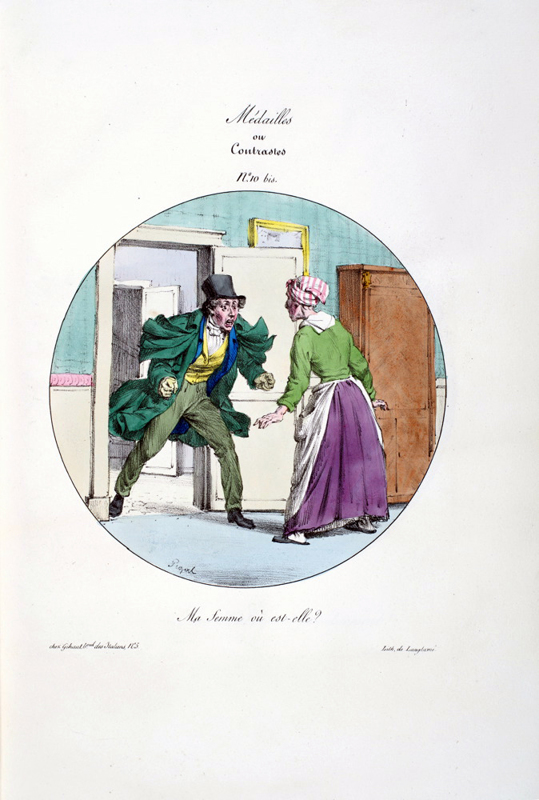
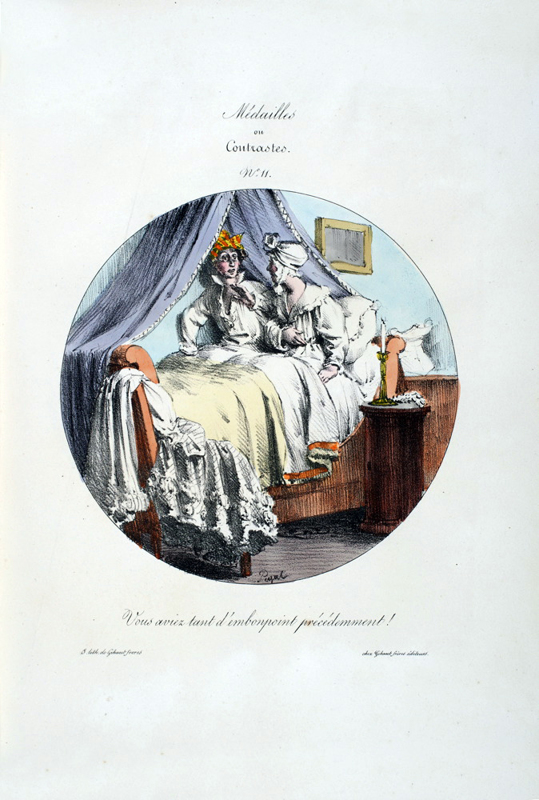
Médailles ou Contrastes [and] Moeurs Parisiennes [and] Scènes de Société and Scènes Populaires.
A pupil of Antoine-Jean Gros, Pigal appeared in the salons from 1827 to 1870. Pigal is best known for the amusing caricatures, the scenes of popular mores which he lithographed with great good nature and which will remain his most precious legacy. After 1838, he turned more to painting, religious and historical scenes, resulting from public commissions. He spent his last years as an art teacher at the Lycée de Sens. Beatrice Farwell wrote of him: "From the 1820s to the end of the 1830s, Pigal produced numerous lithographs caricaturing the customs of his day and the social classes, ridiculing the hypocrisy of the bourgeoisie and the 'vulgarity' of the working classes. His favorite subjects were the street urchins of Paris, servants, coachmen, janitors, and old bachelors. A beautiful work, filled with caricatures full of gallic wit and humour.


- Published
- Paris: chez Gihaut et Martinet, ca. 1822-1830.
- References
- Ray128 (Scènes de Société); 129 (Scènes Populaires); 130 (Moeurs Parisiennes). Colas 2366 ((Scènes de Société); 2365 (Scènes Populaires); 2367 (Moeurs Parisiennes). Hiler p. 710 ( (Scènes Populaires; Moeurs Parisiennes; Scènes de Société). Lipperheide 3676 (Moeurs Parisiennes). Vicaire p. 667 (Scénes de Société); pp. 667-668 (Scénes Populaires). Rahir p. 583 (Medailles ou Contrastes; Scènes de Société; Moeurs Parisiennes; Scènes Populaires). Pichon 403 (Moeurs Parisiennes). Morgand and Fatout 11494 (Medailles ou Contrastes. "Trés rares."); 11495 (Scènes de Société). Destailleur 331 (Moeurs Parisiennes); 332 (Scènes de Société); 333 (Scènes Populaires). Bobins III 957-58-59.
- Plates
- 60
- Binding/Size
- M=4to
- Value
- 0-5000
- Published
- Paris: chez Gihaut et Martinet, ca. 1822-1830.
- Ref
- 258
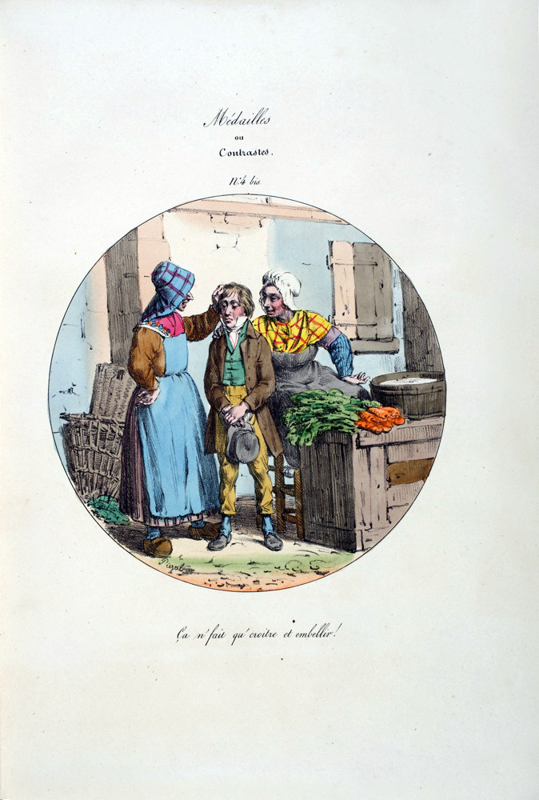
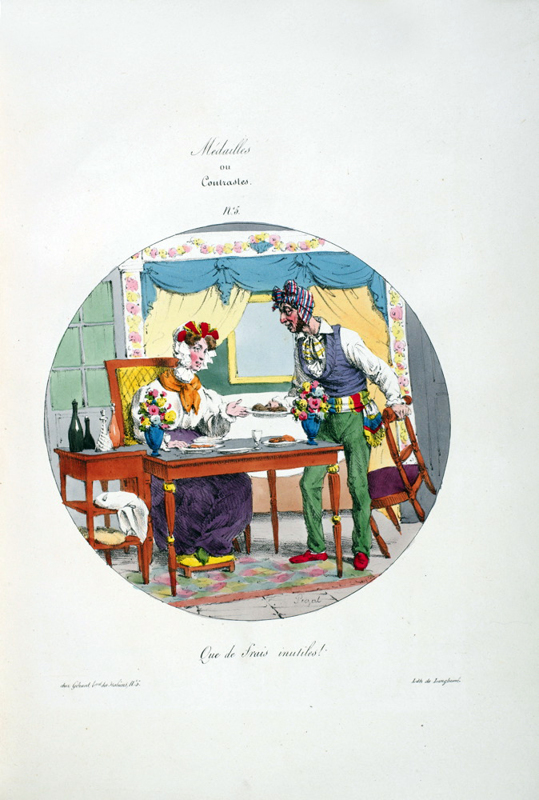
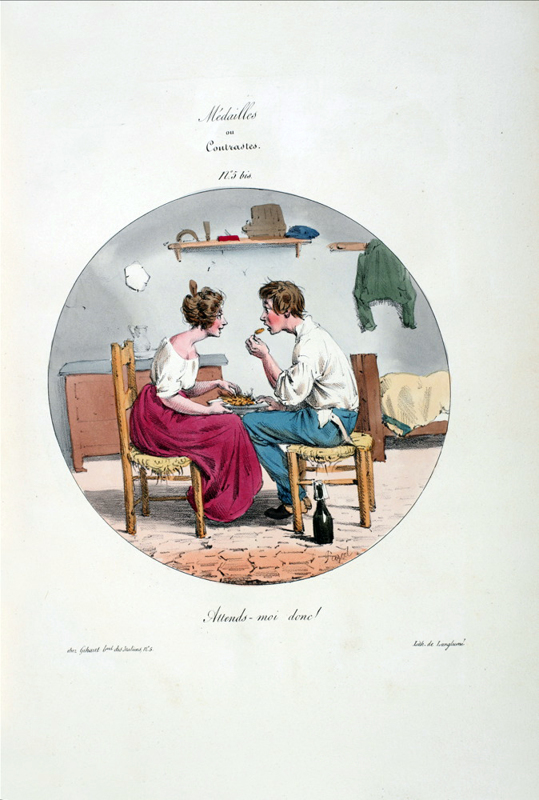
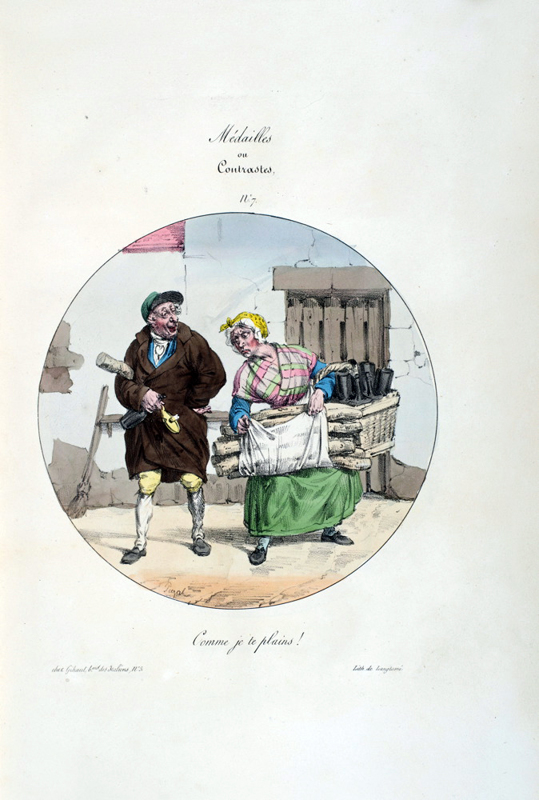
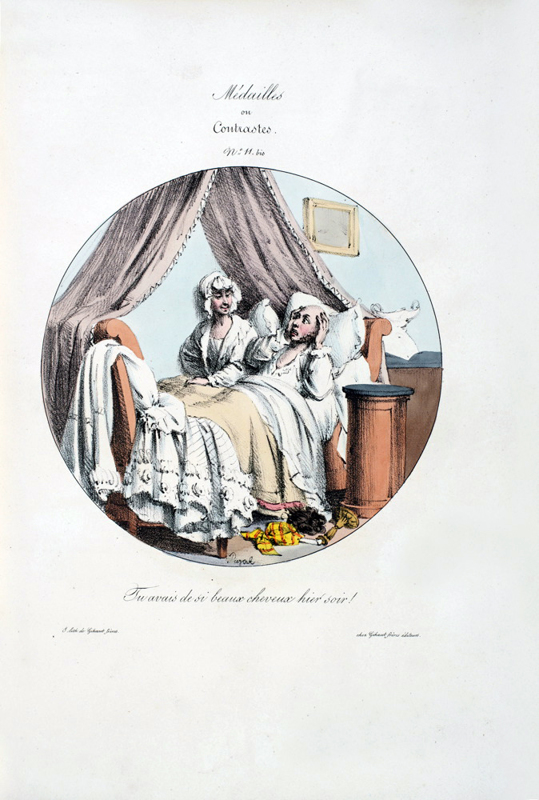
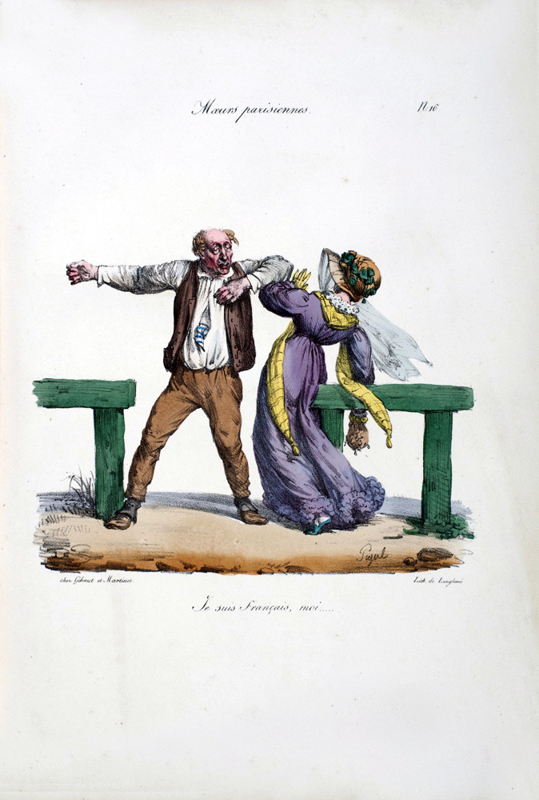
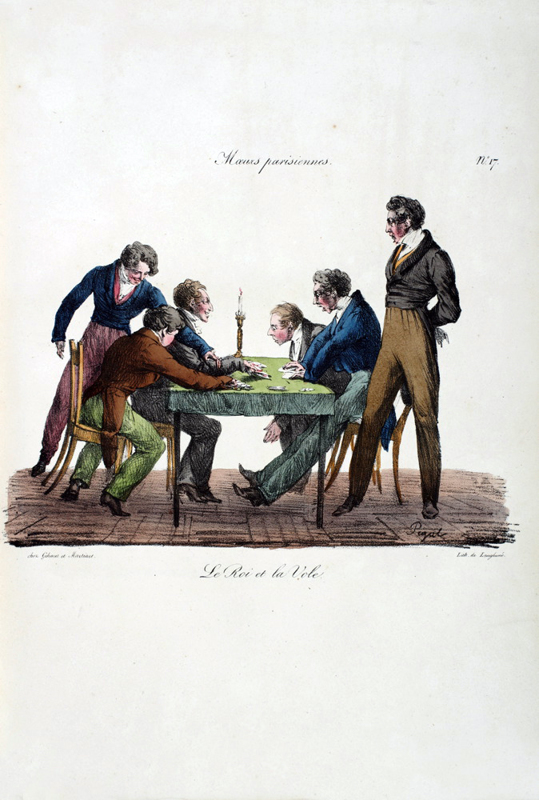
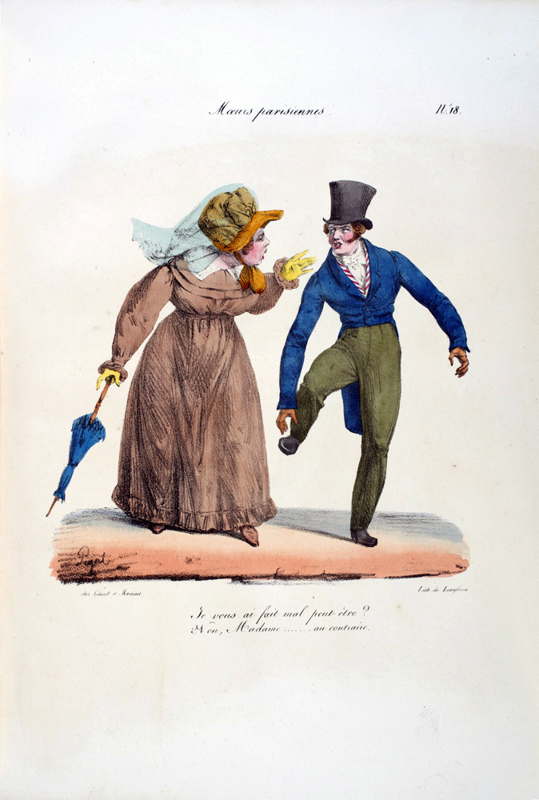
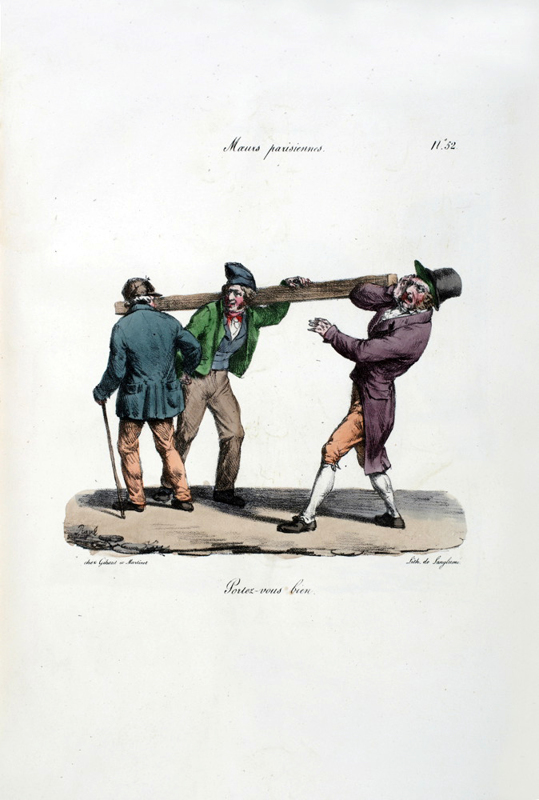
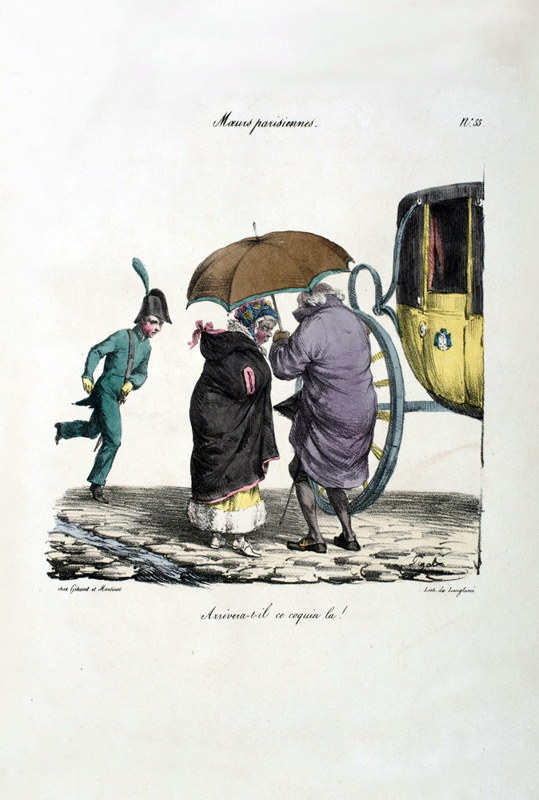
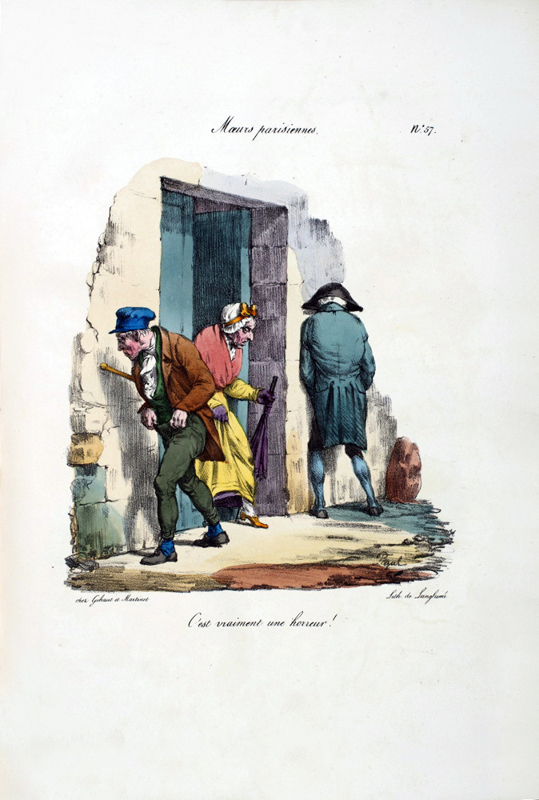
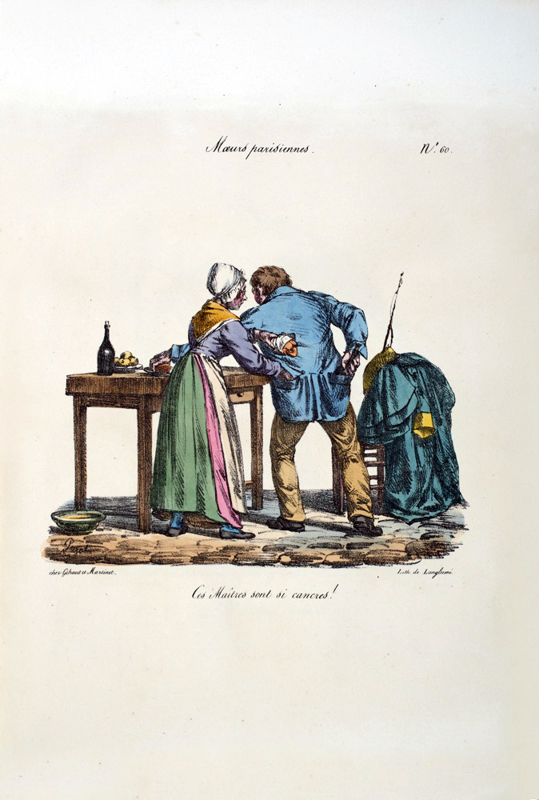
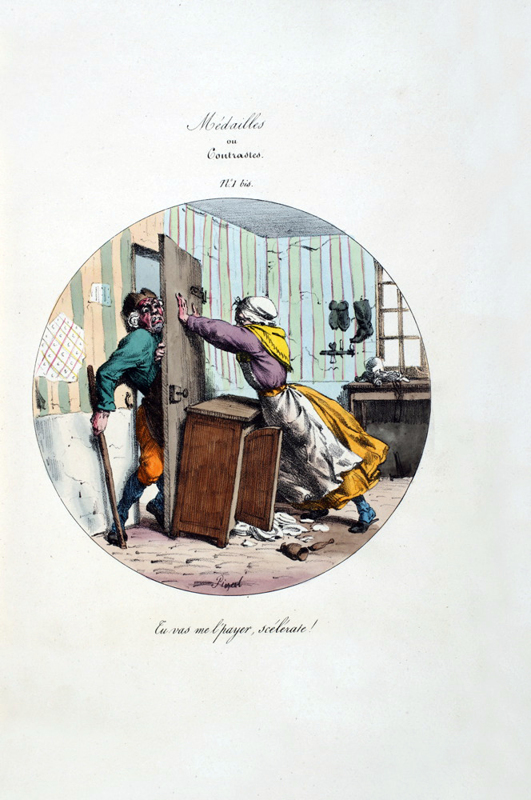
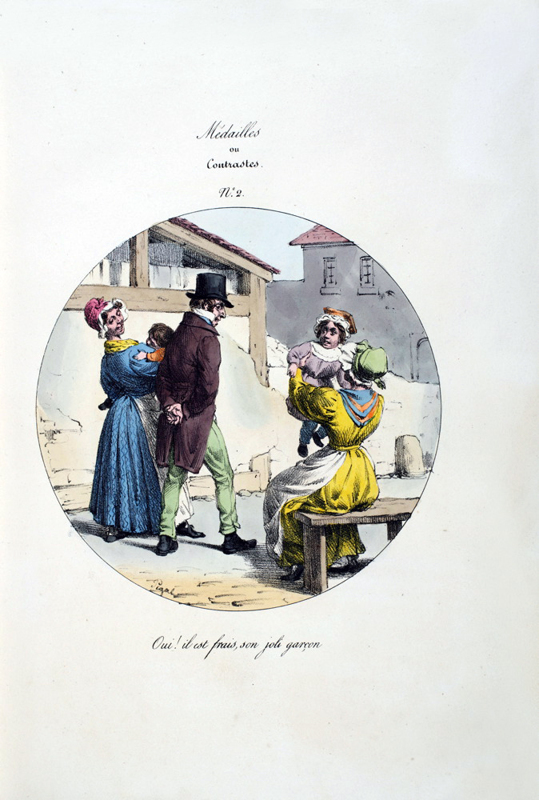
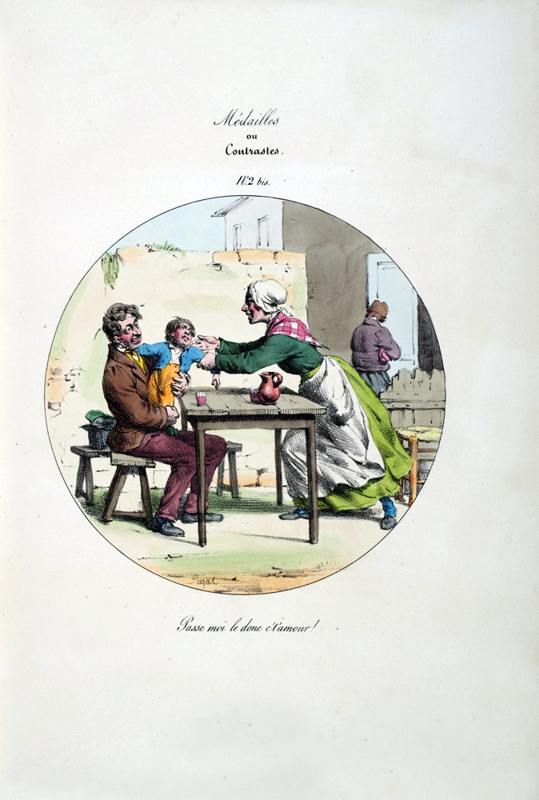
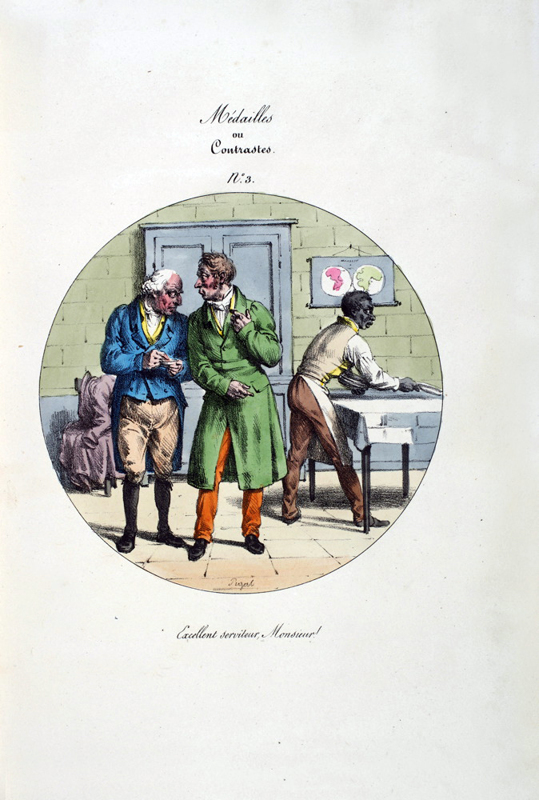
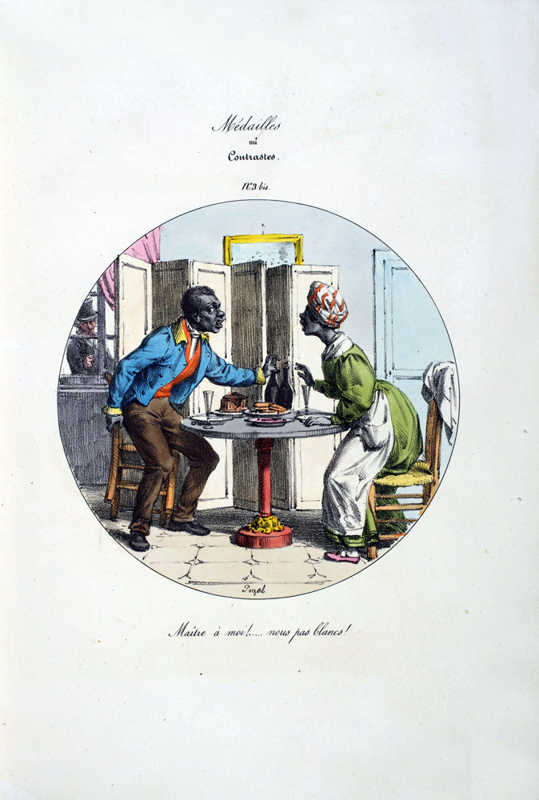
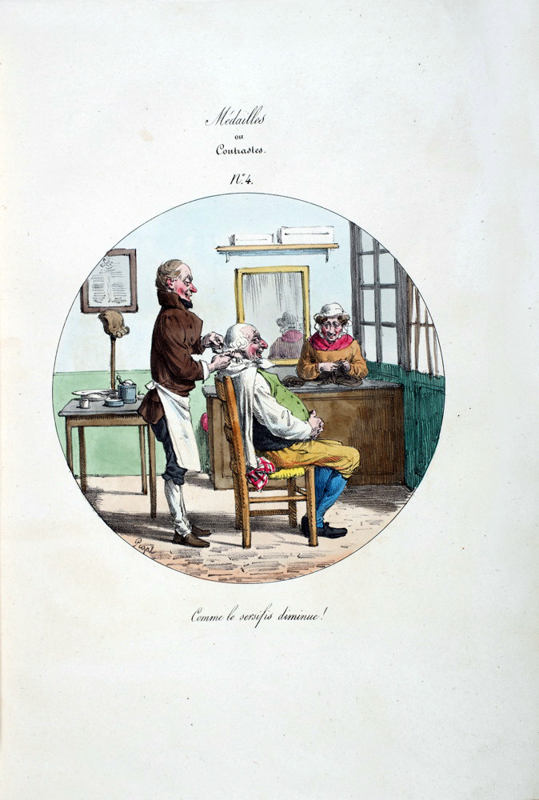
Folio. (14 7/8" x 9 1/2" or 350 x 242 mm). Sixty numbered hand-coloured lithographed plates printed by Langlumé. Scènes de Société (10); Scènes Populaires (7); Moeurs Parisiennes (23); Médailles ou Contrastes (20). Ca.1830 quarter calf over patterned boards. Gilt lettering and rules to spine. Spine head and tail expertly and near invisibly repaired. Most plates are clean, with only a handful exhibiting mild sunning/toning or the lightest of foxing. Otherwise, a fine collection of these albums - originally available in black and white as well as coloured - that are scarcely found complete; the Sadleir copies that Ray examined lacked many plates. Médailles ou Contrastes is trés rares" (Morgand and Fatout) in any state. In all the best overview of Pigal's finest, most celebrated work that we have yet encountered. "A major French 19th century artist and caricaturist, Edme Jean Pigal [1798-1873] studied art in Paris in the studio of Baron Gros. He first exhibited his paintings at the Paris Salon in 1827 and continued to exhibit his art there for more than thirty years annually. Pigal's early art was mainly in the medium of lithography. After 1838 he turned more towards painting, particularly religious and historical scenes commissioned by the French government. His last years were spent as a professor of art at the Lycee in Sens. "Although he was a fine painter, it is the lithographic art of Pigal which remains his finest legacy. Beatrice Farwell writes: 'From the late 1820's to the late 1830's he (Pigal) produced numerous lithographs caricaturing contemporary customs and social types. He ridiculed the hypocrisy of the bourgeoisie and the vulgarity of the lower classes. His favorite characters were the street urchins of Paris servants, coachmen, and doormen and lecherous old men' (Beatrice Farwell The Charged Image: French Lithographic Caricature 1816-1848 Santa Barbara Museum of Art Santa Barbara 1989 p. 127). "Pigal's early lithographic work (c. 1820-1830) concentrates upon the actions of one or two main figures and provides little or no background setting? His lithographs created for individual sale (as opposed to those appearing in the journals) were most often hand-colored before publication. "In some respects, Pigal's earthy brand of caricature was closer to the English satirical art of Gillray Cruikshank and Rowlandson than to the political and social satires of his French contemporaries such as Daumier and Gavarni. Perhaps, for this reason, Pigal's lithographs were very popular in Britain?" "Pigal's scenes of the people are good. It is not that the originality is very lively nor even that the design is very comic. Pigal is comical in moderation, but the feeling in his compositions is good and just. These are vulgar truths but still truths" (Baudelaire Oeuvres complètes 1964 edition p. 995). "Pigal does play to the groundlings, and no one would accuse him of excessive delicacy, but he knew his world and could depict it incisively in his lithographs" (Ray The Art of the French Illustrated Book p.196). Pigal's albums "have documentary value and their fresh and unaffected representation of the people dress and scenes of the time give them a degree of charm' (Ray p. 189). Colas and Hiler highly commend these plates for their humor and depiction of contemporary fashion and costume. Coloured plates in order: Medailles ou Contrastes. 1. La paix, mes bons amis. 2. [No.1 bis] Tu vas me l'payer, scelerate ! 3. [No.2] Oui! il est frais, son joli garcon. 4. [No.2 bis] Passe moi le donc c't'amour ! 5. [No.3] Excellent serviteur, Monsieur ! 6. [No.3 bis] Maitre a moi!....nous pas blancs ! 7. [No.4] Comme le sersifs diminue ! 8. [No.4 bis] Ca n'fait qu croitre et embellir ! 9. [No.5] Que de frais inutiles ! 10. [No.5 bis] Attends-moi donc ! 11. [No.7] Comme je te planis ! 12. [No.7 bis] Depeche-toi donc, Babet ! 13. [No.8] Je suis si sobre ! 14. [No.8 bis] Sent-elle l'eau-de vie, la Comtesse ! 15. [No.9] Un instant, mon Dieu ! 16. [No.9 bis] Une minute, que diable ! 17. [No.10] Mon dragon ne veut pas. 18. [No.10 bis] Ma femme ou est-elle? 19. [No.11] Vous aviez tant d'embonypoint precedemment ! 20. [No.11 bis] Tu avais de si beaux cheveux hier soir ! Moeurs Parisiennes. 21. [No.16] Je suis Francais, moi.... 22. [No.17] Le Roi et la Vole. 23. [No.18] Je vous ai fait mal peut-etre? --- Non, Madame....au contraire. 24. [No.26] Est-ce pour de rire ou pour de bon? 25. [No.27] Parbleu ! j'arrive a propos. 26. [No.32] Ce sont des bêtes bien precieuses ! 27. [No.37] Encore aujourdhui ! mas demain.... 28. [No.39] Ce ne vit plus que pour manger. 29. [No.44] Un Dimanche ! c'est-il guignolant ! 30. [No.47] Ah ! la mauvaise air. 31. [No.49] aureriez vous de l'huile de Coterets. 32. [No.52] Portez-vous bien. 33. [No.53] Arrivera-t-il ce coquina la ! 34. [No.57] C'est vrainment une horreur ! 35. [No.60] Ces Maitres sont si cancres ! 36. [No.66] Ris donc, imbecille ! 37. [No.67] Mes respects a Madame. 38. [No.70] Que beau tems ! 39. [No.81] Voici l'auteur. 40. [No.83] Jai pris le metique ! 41. [No.86] Chacun son tour, mes enfans. 42. [No.88] Que v'lours ! 43. [No.93] Et ta famille, wronge? J'ai la bouche seche. Scenes de Societe. 44. [No.13] Quelle scie ! 45. [No.15] Ah ! mon Dieu, fifine: ici vite. 46. [No.21] Du courage, morbleu ! 47. [No.24] Un home comme il faut !..... 48. [No.27] Sans qu'ca paraisse. 49. [No.32] On y va !!! (vieille bête). 50. [No.36] Vous avez raison, j'en conviens. 51. [No.38] Dites-toujours? 52. [No.47] Ce plaisir ! 53. [No.49] Sainte Vierge, quell vacarme ! Scenes populaires. 54. [No.11] Respect au sesque et a la vieillesse, canaille. 55. [No.18] Ces dames dansent ells? 56. [No.22] Ohe ! c'te farce. 57. [No.25] Parlons peu z'et parlons bien. 58. [No.31] haie ! haie ! les bebetes. 59. [No.38] L'eusses tu cru? --- Je m'en avais doute. 60. [No.44] u......u.......un instant, cam'rade.