If you would like to get in touch, please feel free to contact: email hidden; JavaScript is required
Browse collection
- Full collection
- 18th Century & earlier
- Ackermann
- Africa
- Alken
- Animals
- Arabasia
- Architecture/Mansions
- Art
- Australasia
- Botany
- British Isles
- Caricatures
- Children
- China
- Chromo added colour
- Chromolithographs
- Conchology
- Costume
- Cruikshank
- Culture/Lifestyle
- Dutch
- East European
- Far East
- France
- Furniture/Antiques
- General
- Germany
- Grandville
- Heraldry
- History
- History - England
- History - Europe
- Holy Land
- India
- India - sepia
- Islam
- Italy
- Japan
- Literature
- London
- Manuscript
- Map
- Military
- Monnier
- Natural history
- Pastimes
- Pochoir
- Polar regions
- Portraits
- Religious/Christian
- Religious/other
- Rowlandson
- Russia
- Science
- Scrapbook
- Sepia
- South America
- Sports/Hunting
- Stamps
- Swiss
- The Americas
- Theatre
- Travel/Scenery
- Watercolours
- World
ROBERTS, David.
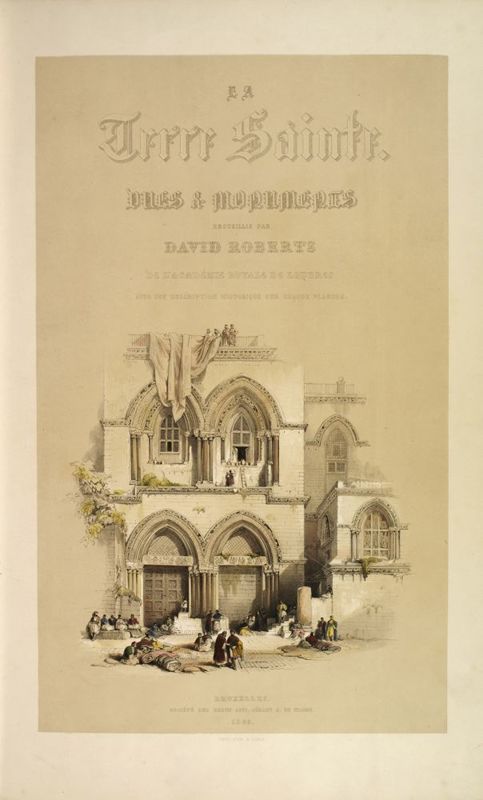
La Terre Sainte Vues et Monuments.
A French edition of this monumental work that was first published in English. David Roberts, born on October 24, 1796, in Stockbridge on the outskirts of Edinburgh and died on November 25, 1864, in London, is a Scottish painter known for his watercolors depicting life in the Middle East with village scenes and monuments.



- Published
- Brussels: Societe des Beaux-Arts, c.1845.
- Plates
- 60
- Binding/Size
- L=FOLIO
- Value
- 0-5000
- Published
- Brussels: Societe des Beaux-Arts, c.1845.
- Ref
- 387
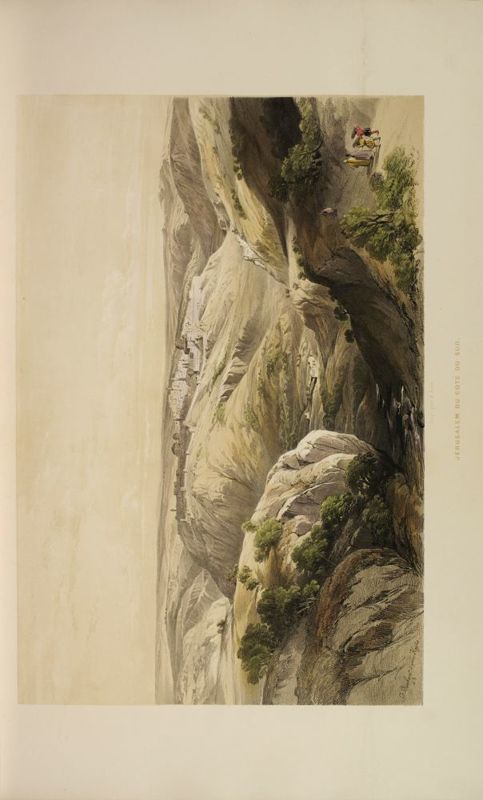
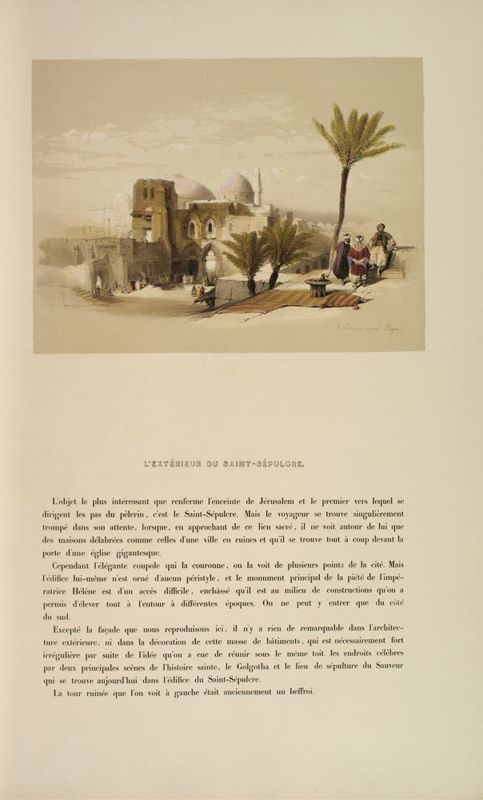
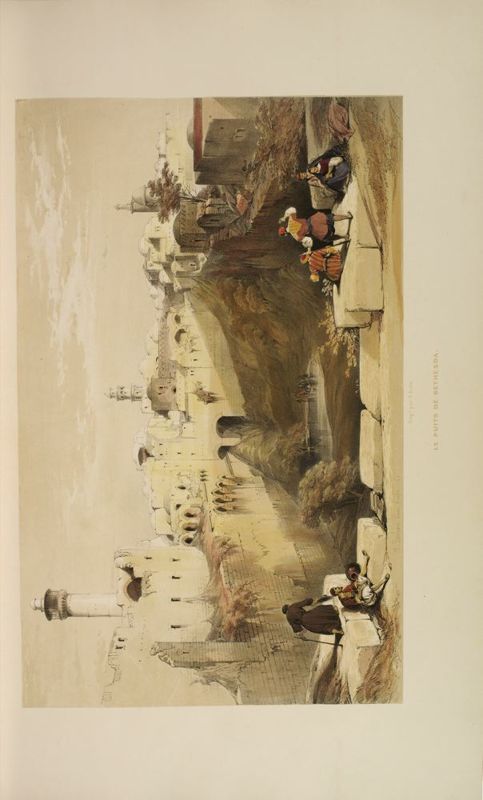
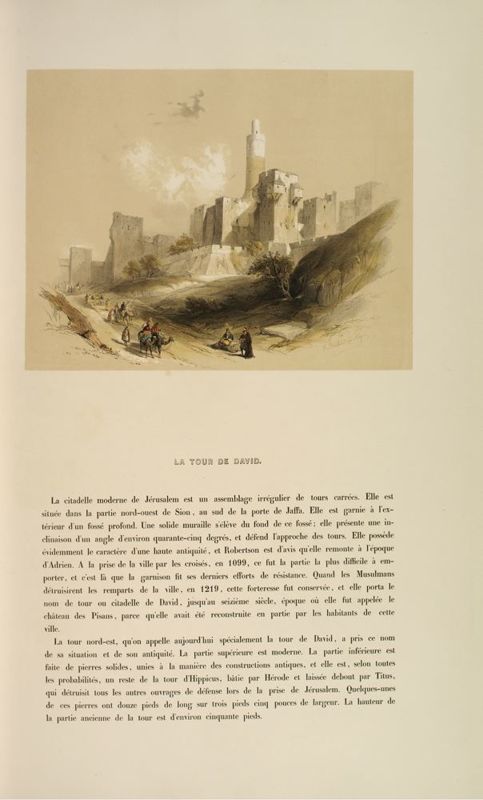
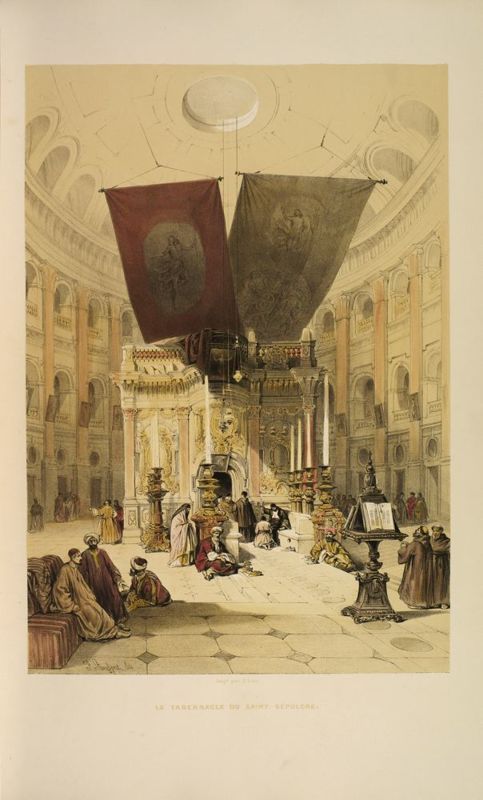
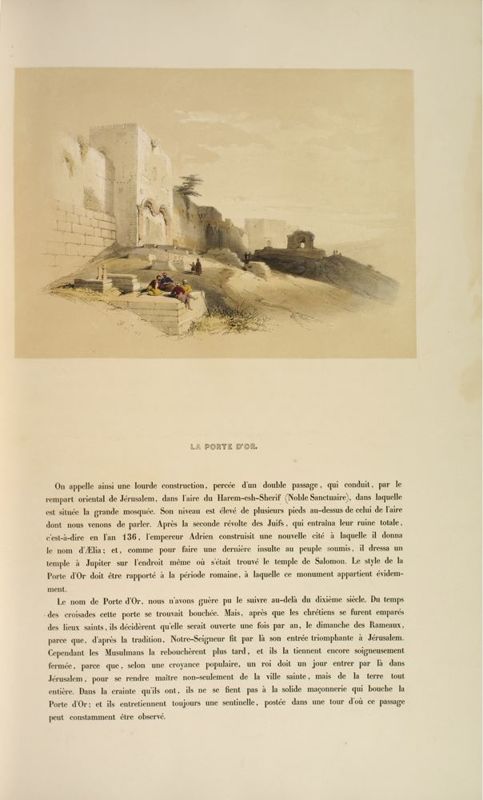
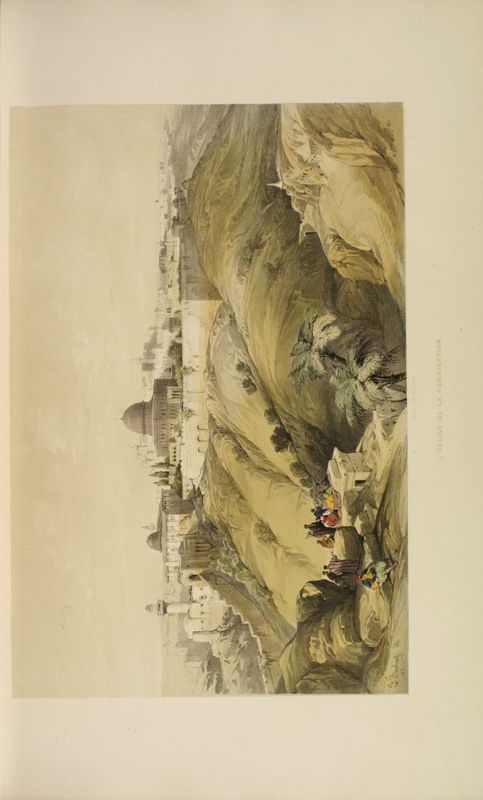
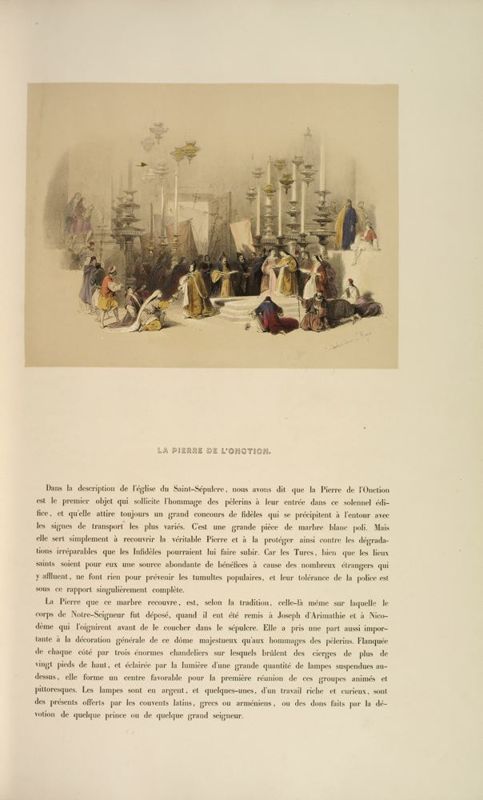
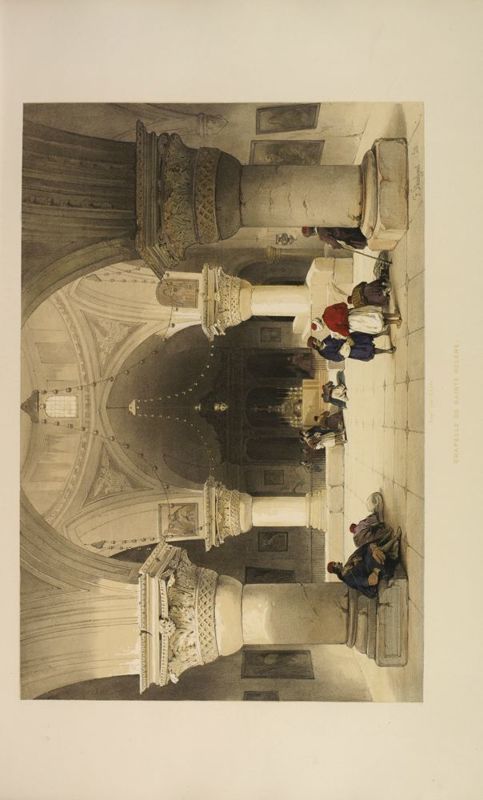
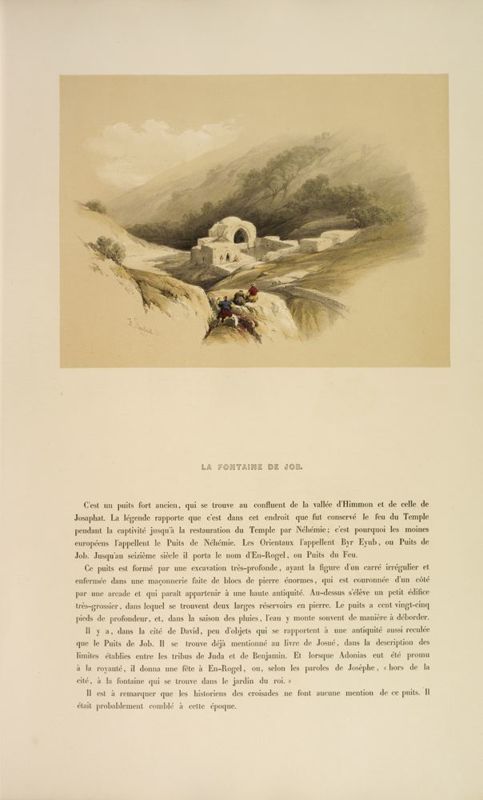
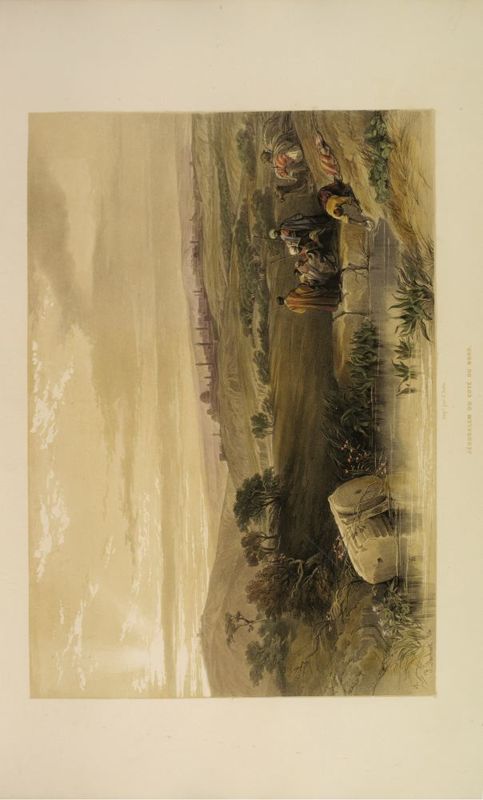
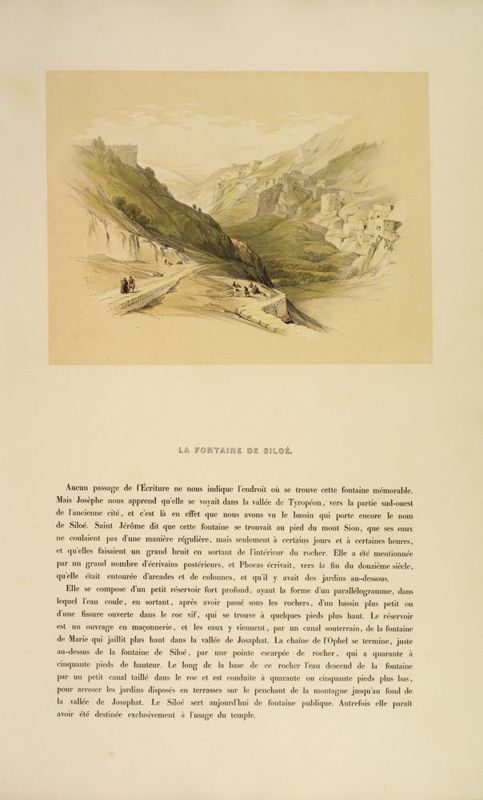
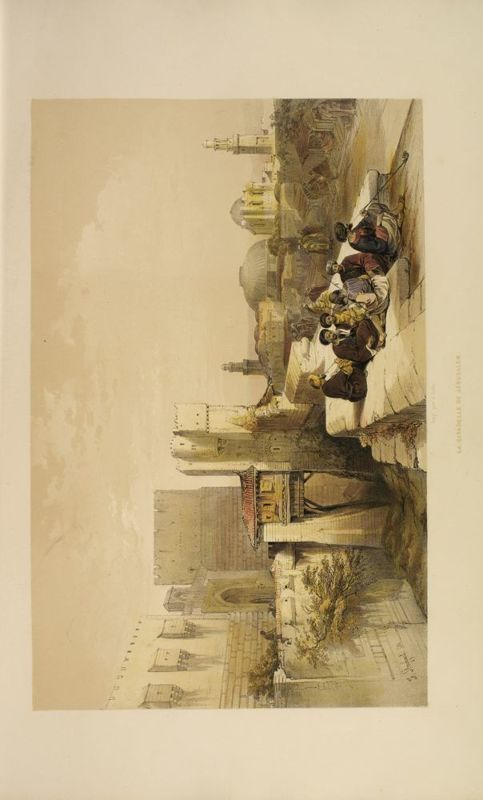
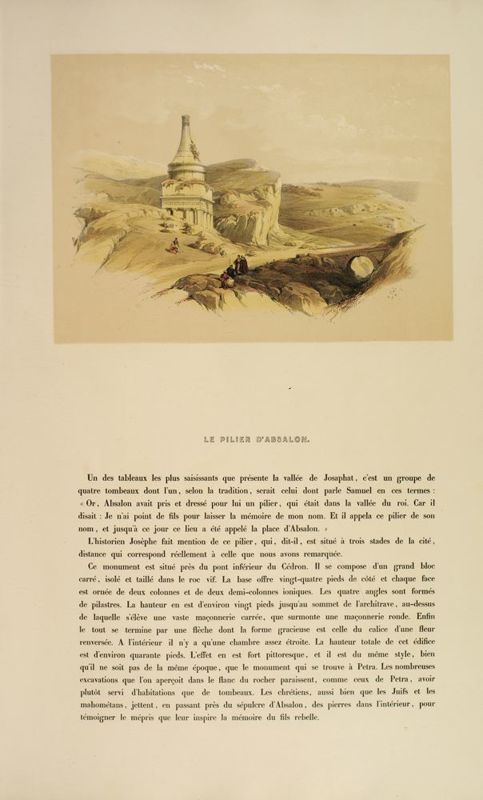
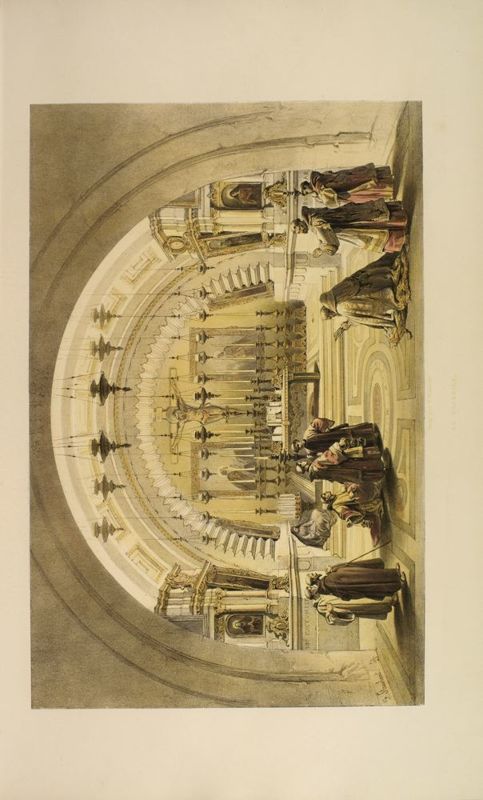
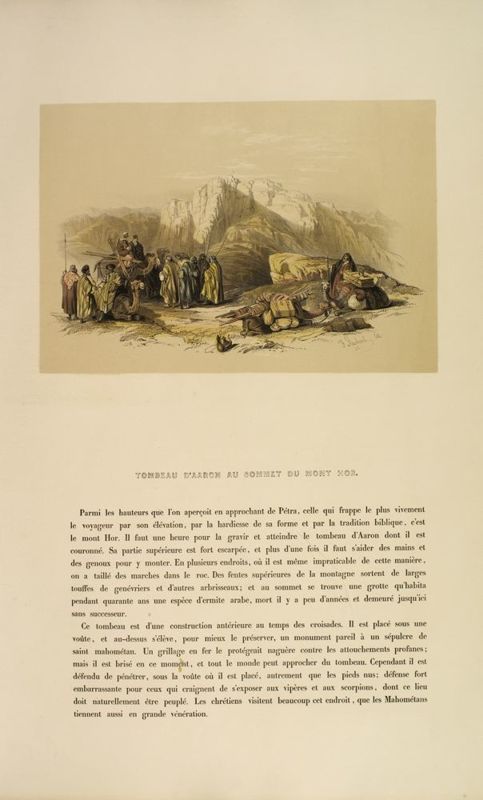
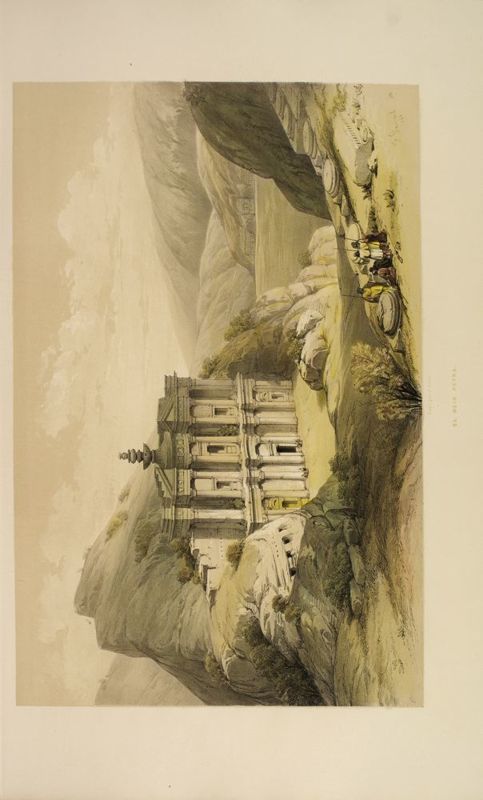
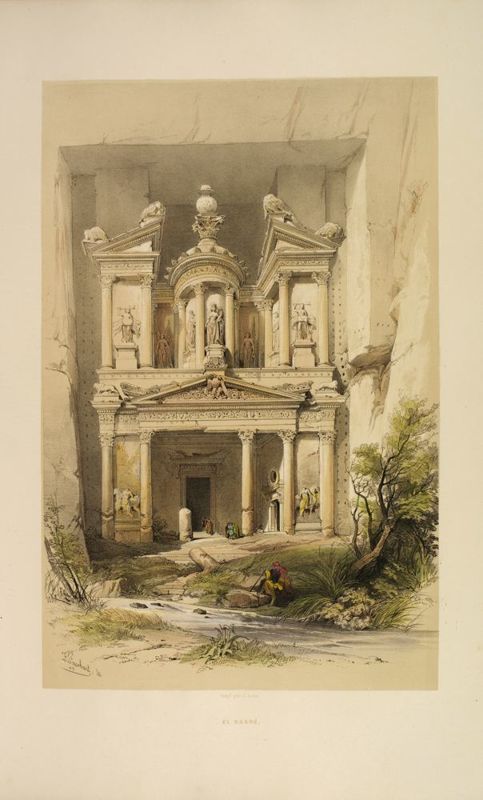
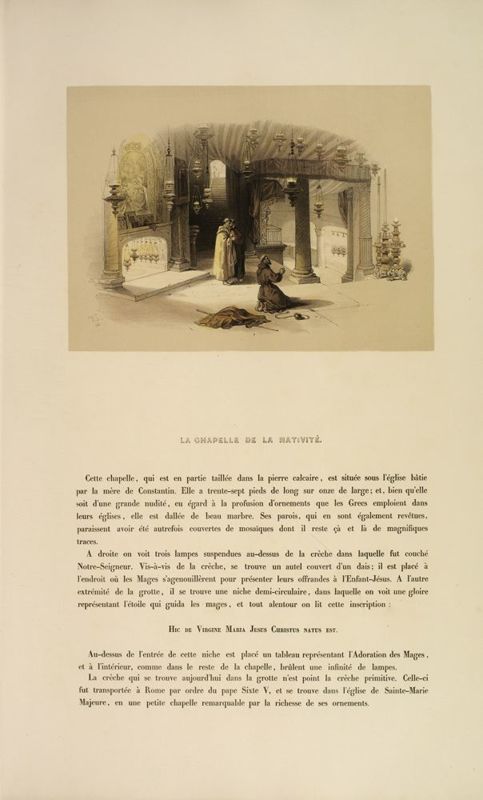
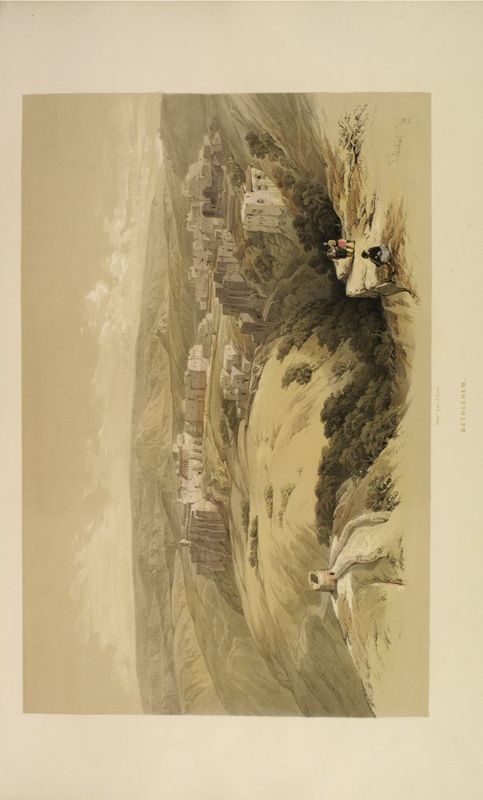
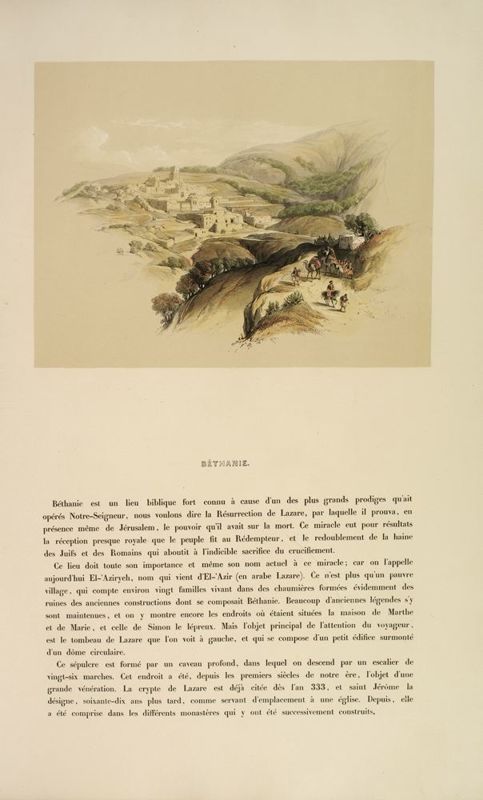
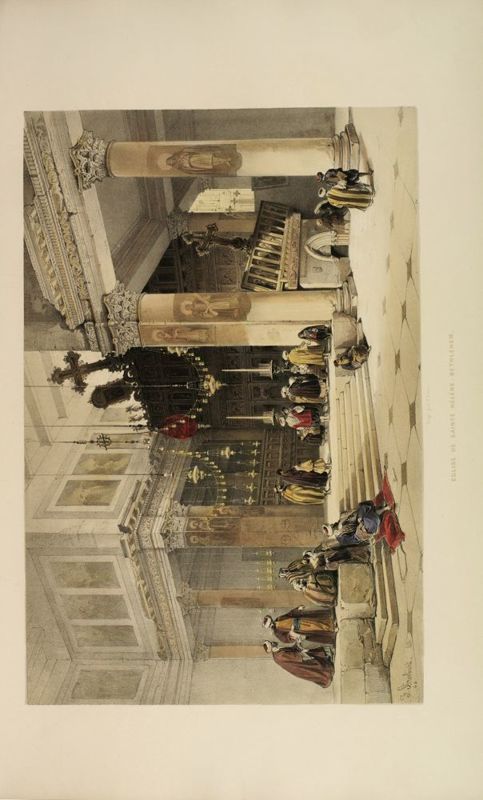
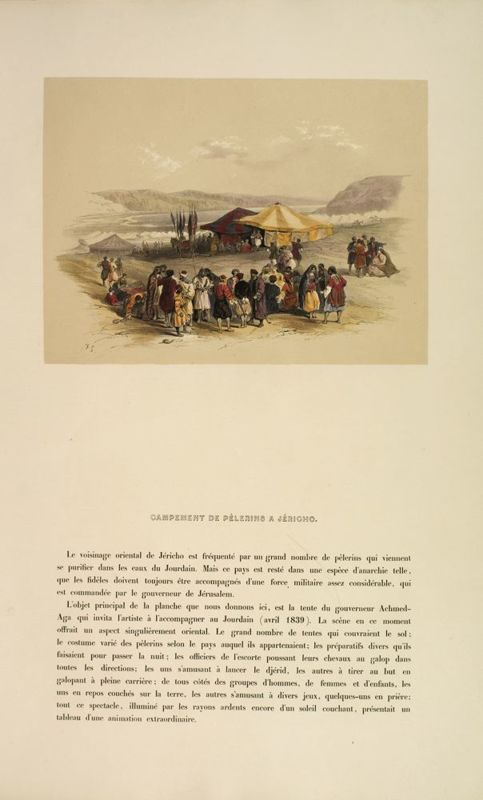
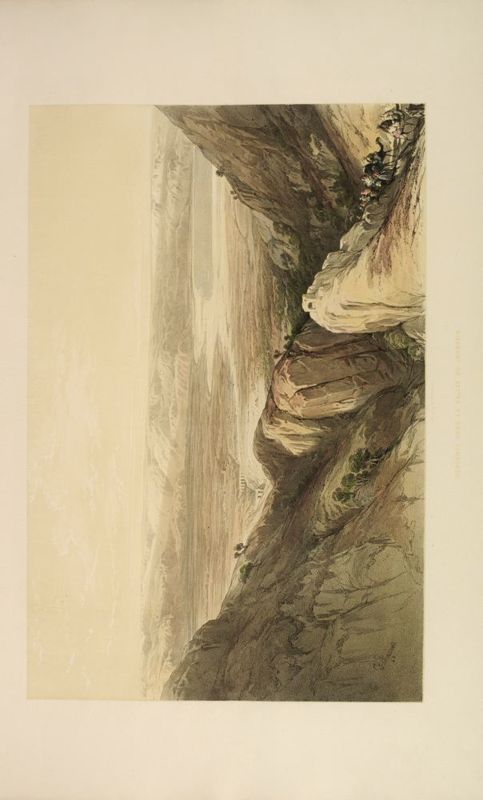
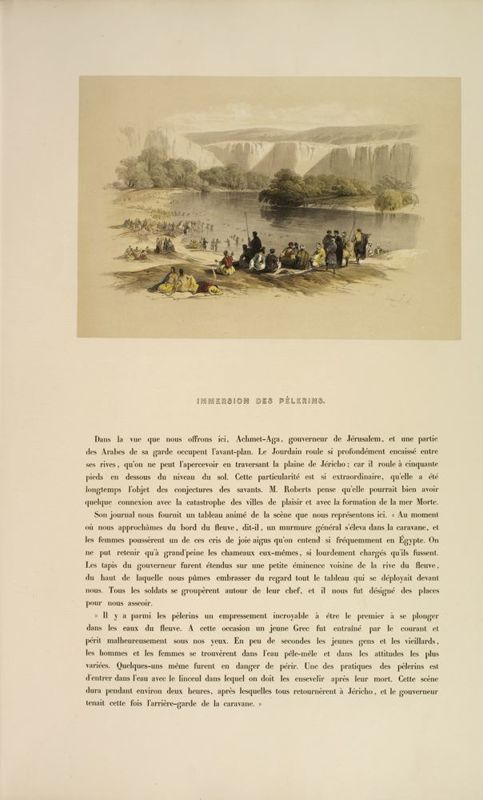
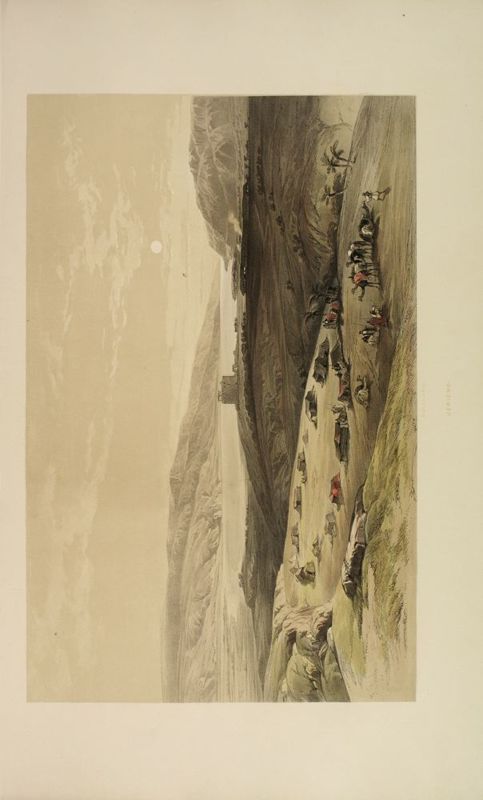
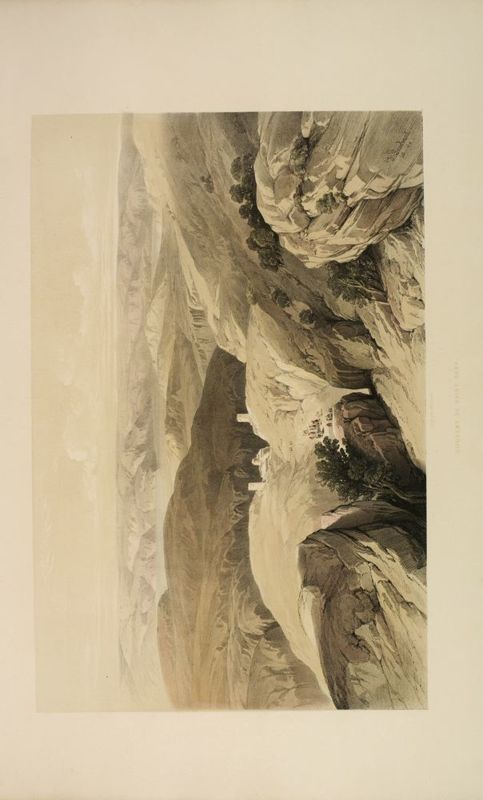
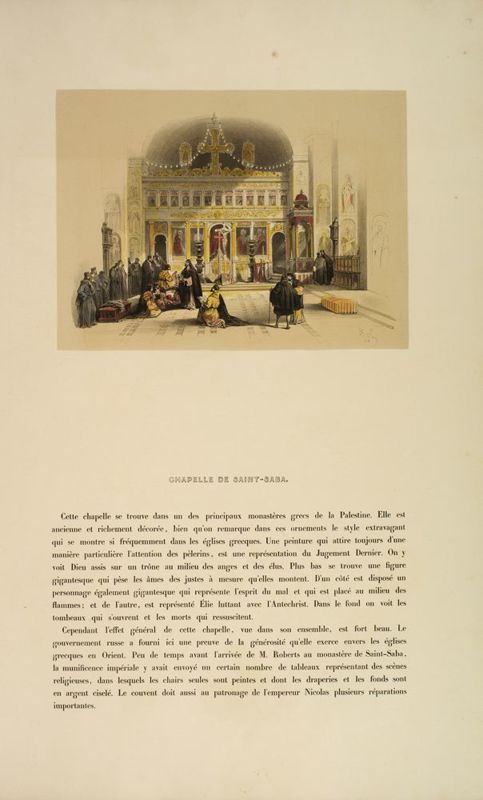
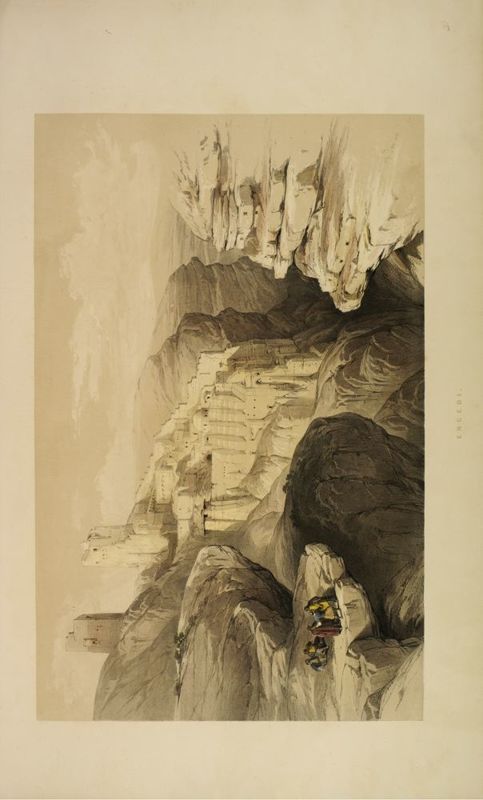
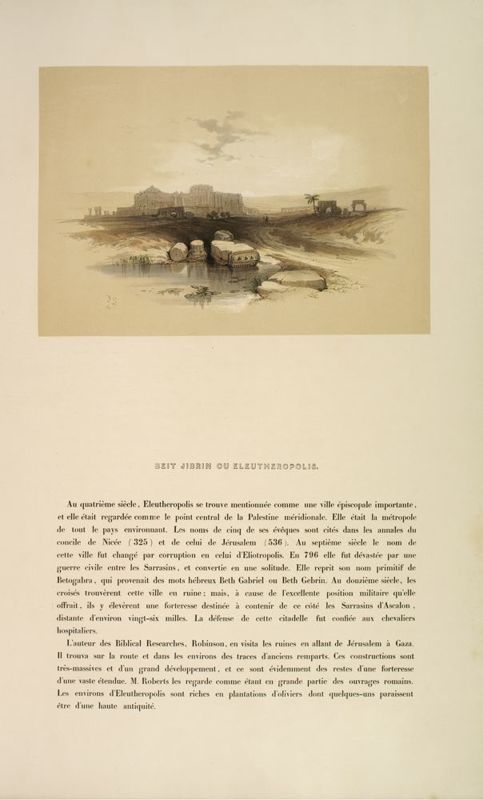
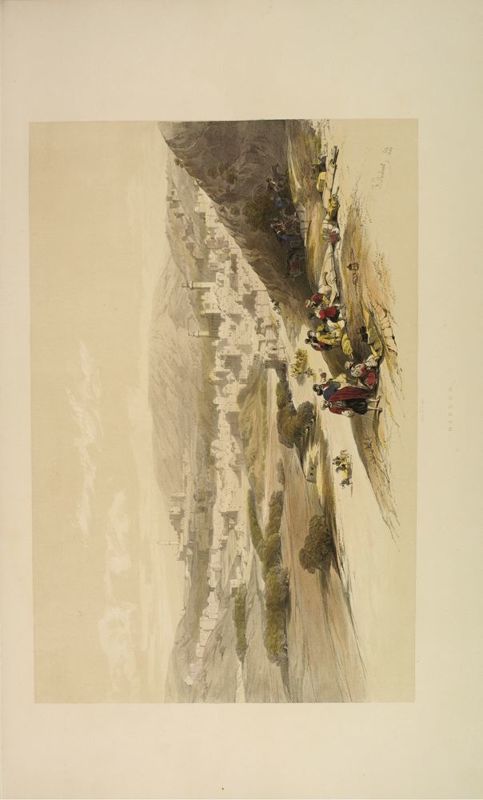
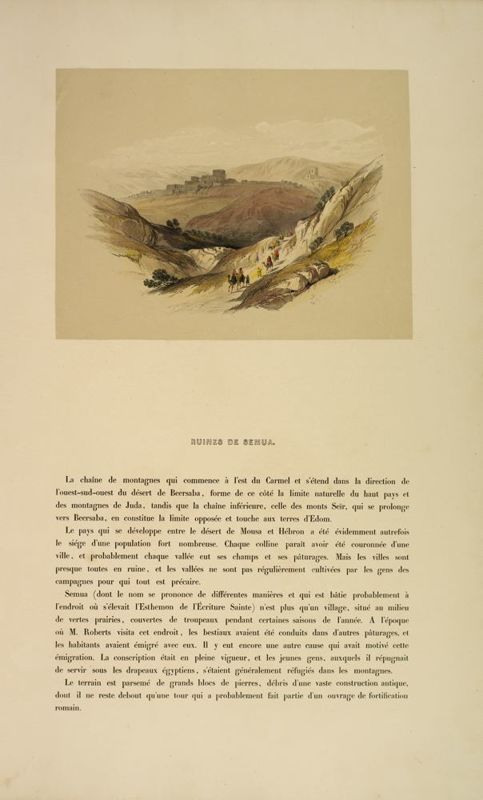
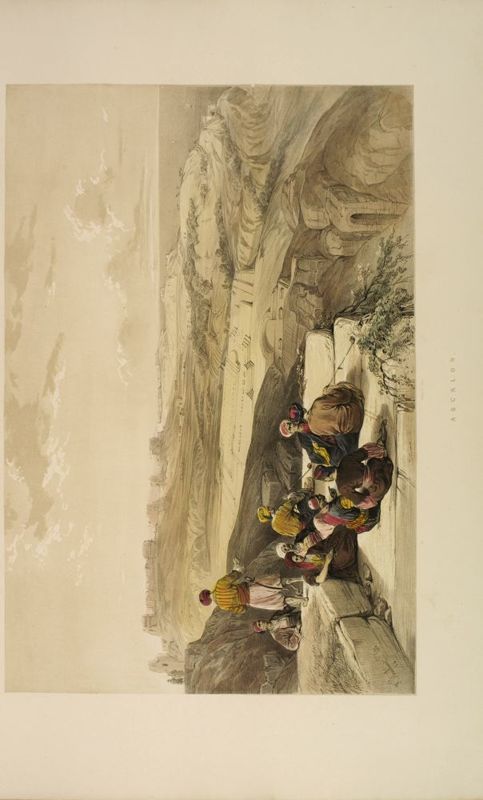
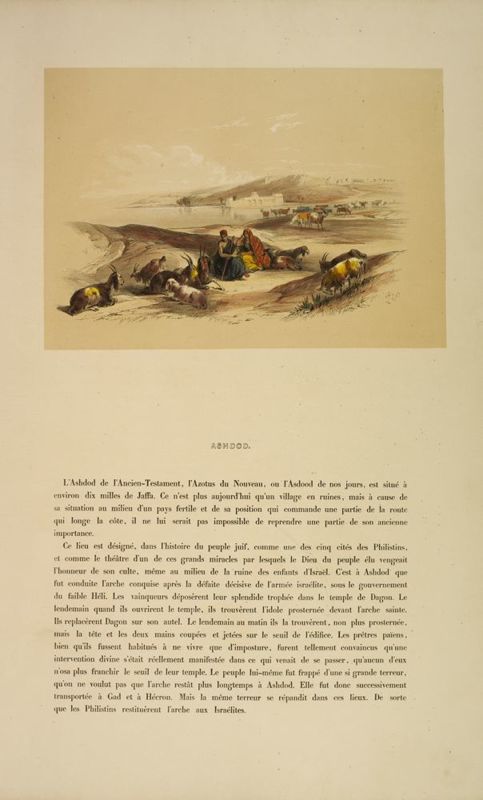
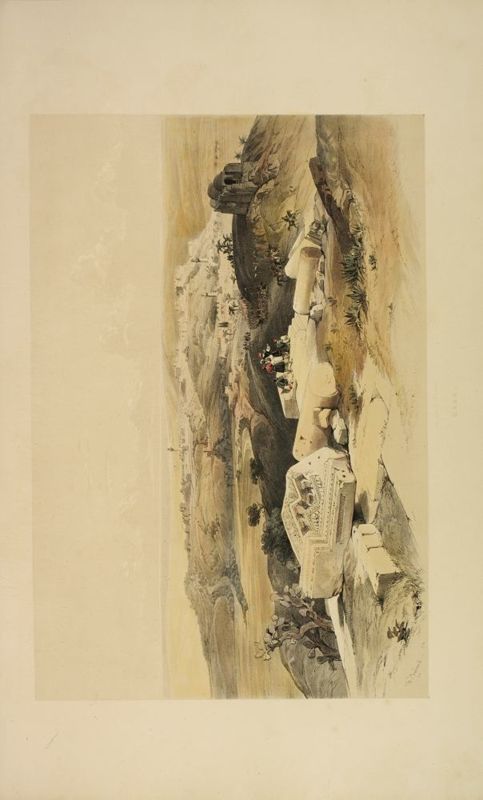
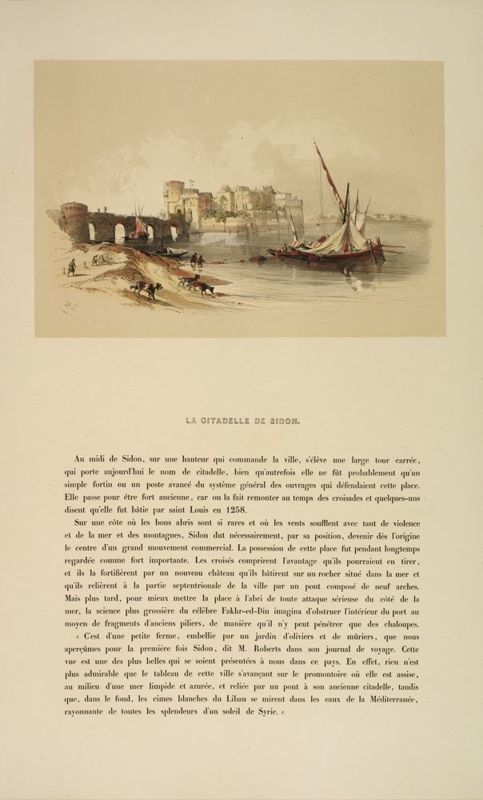
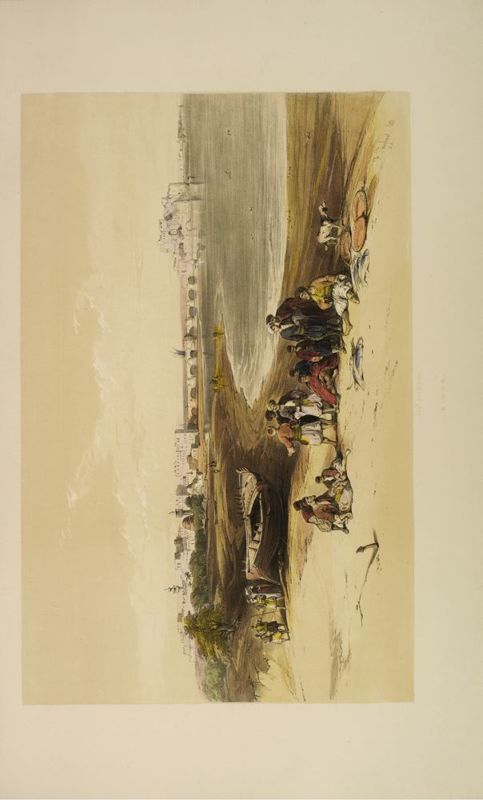
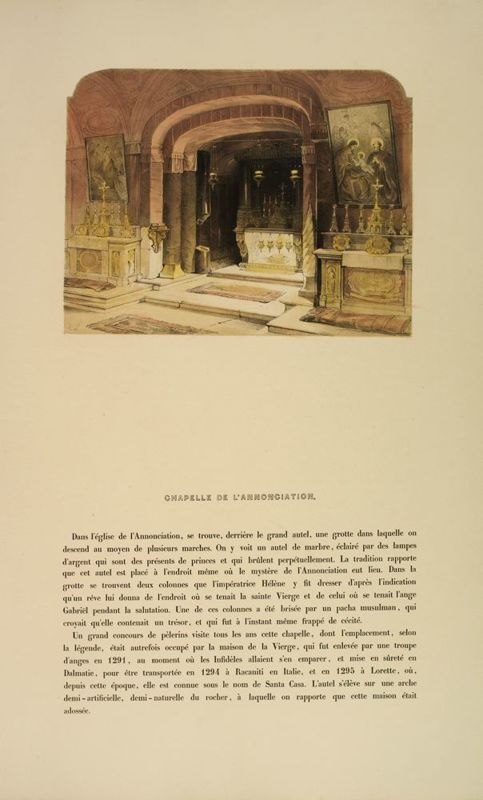
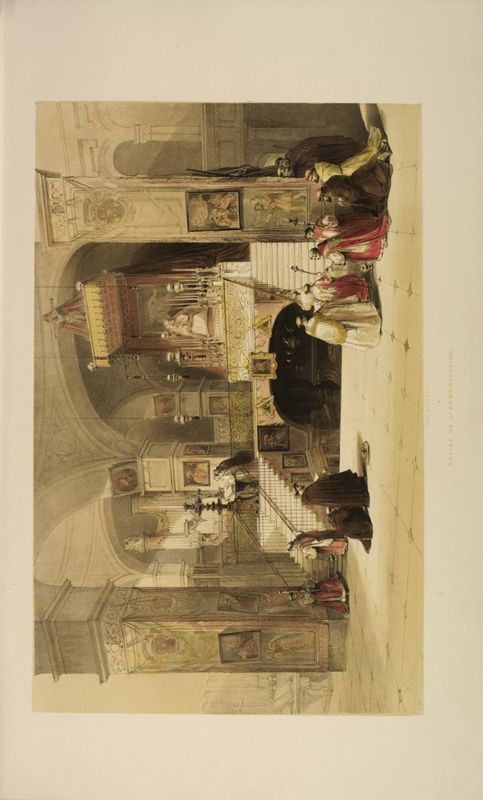
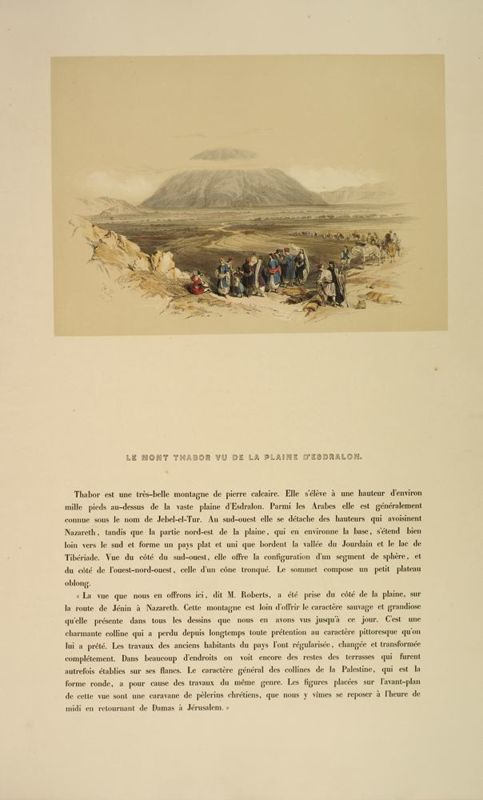
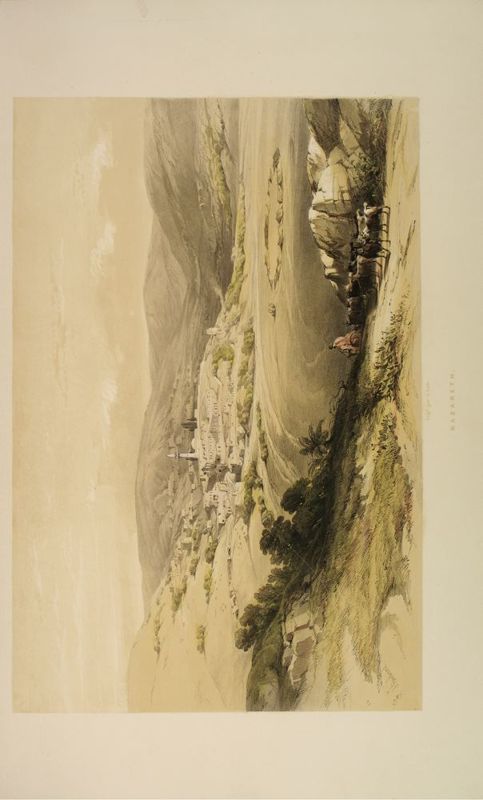
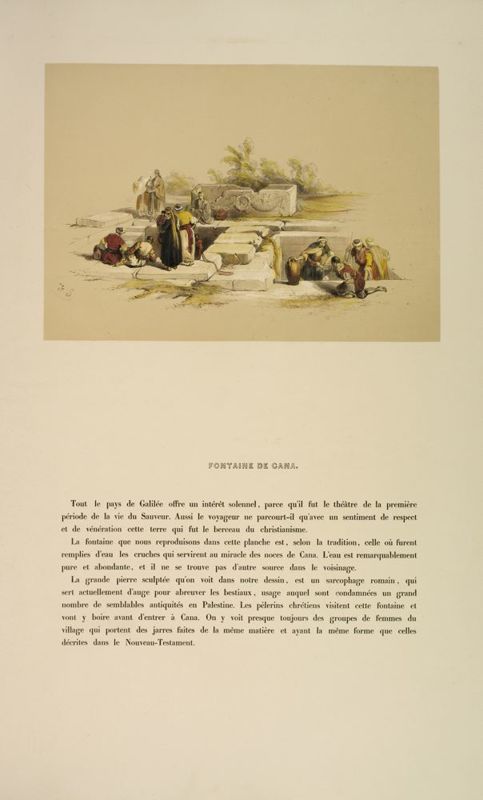
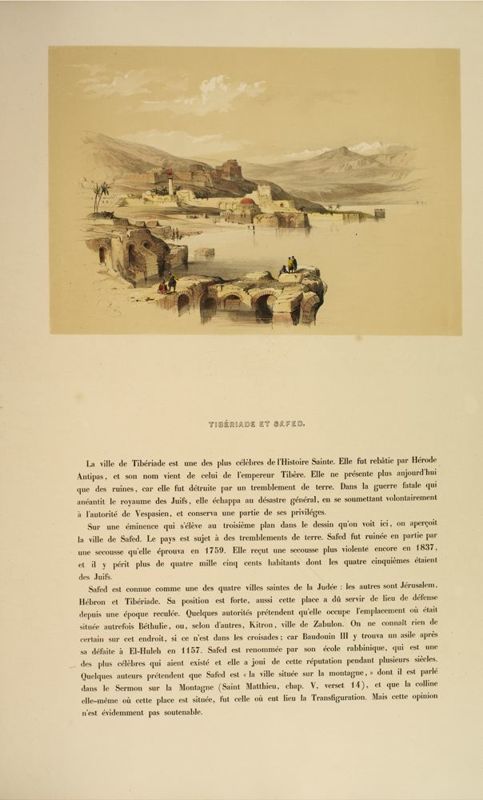
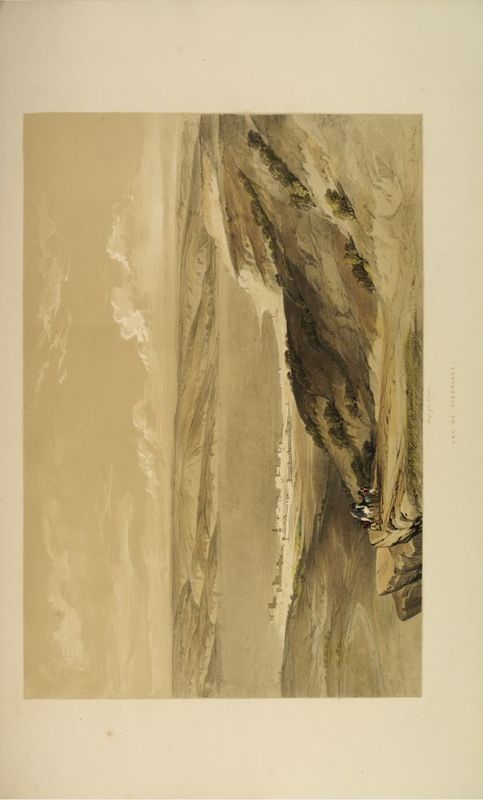
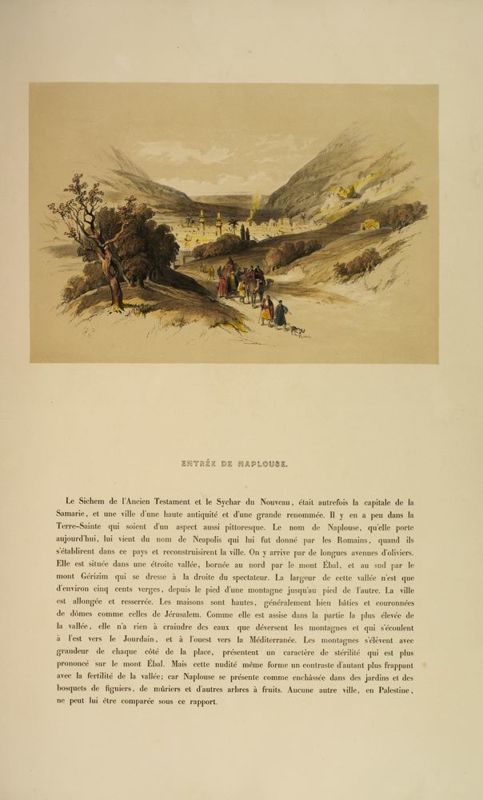
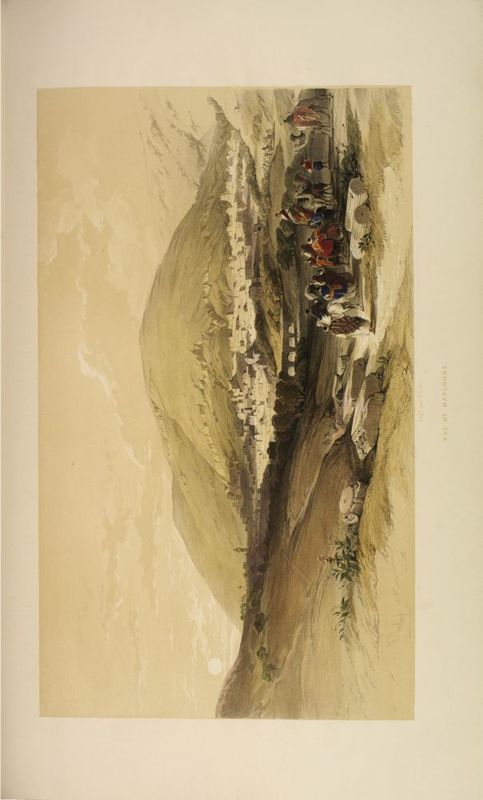
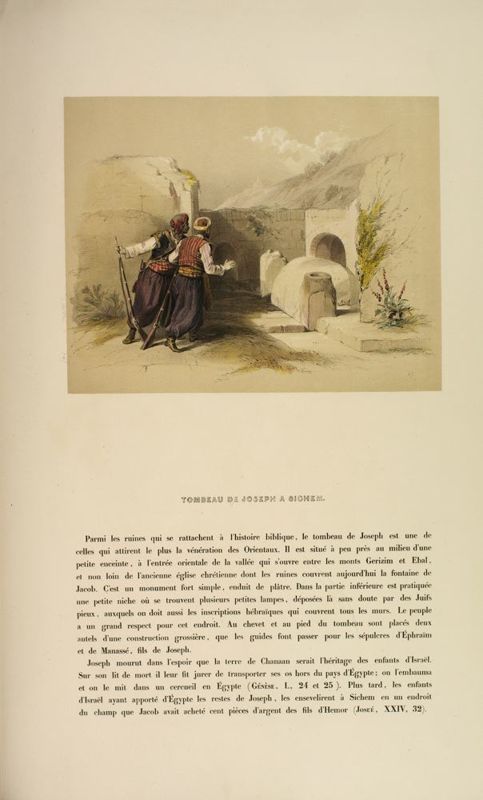
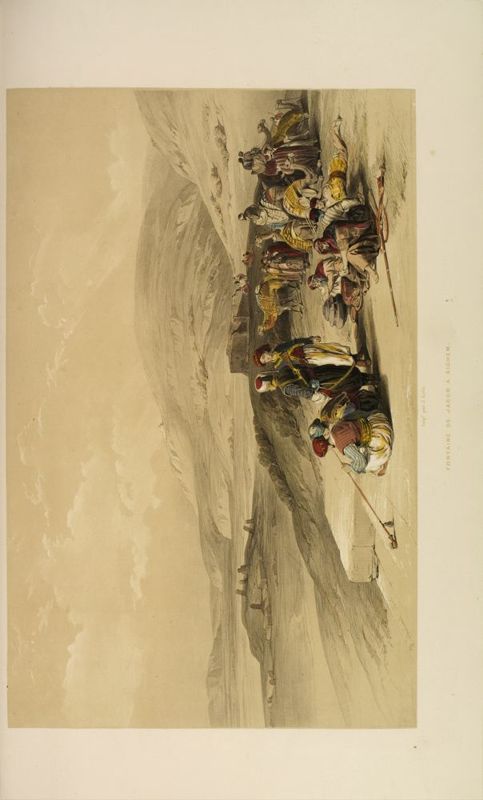
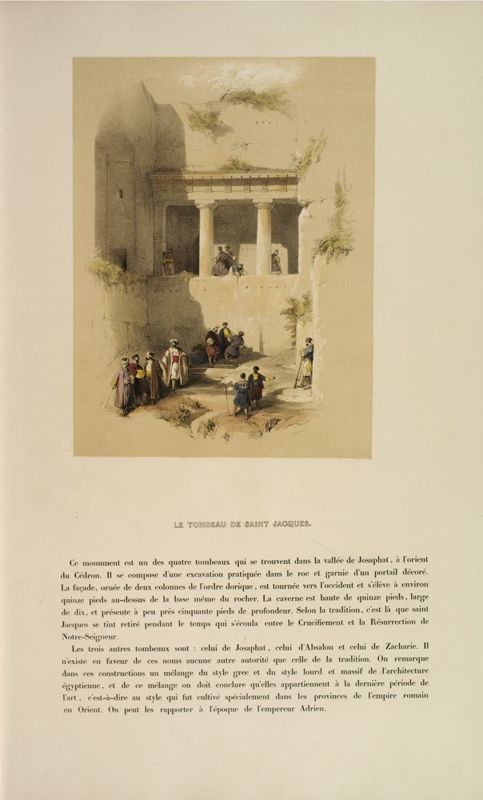
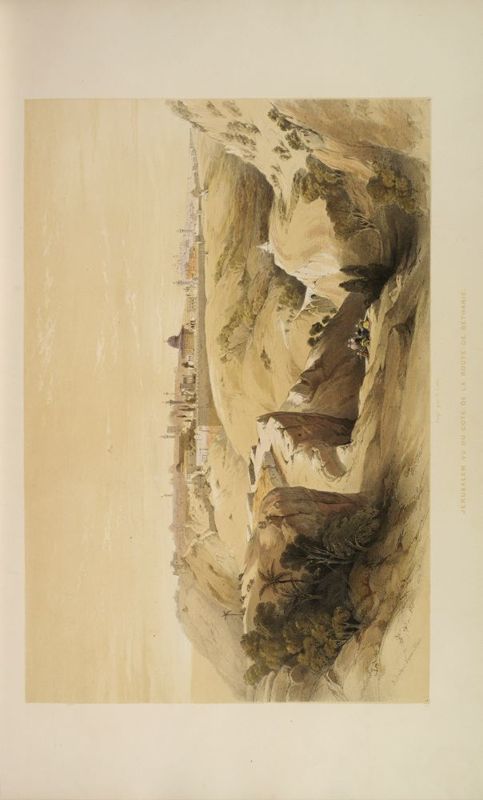
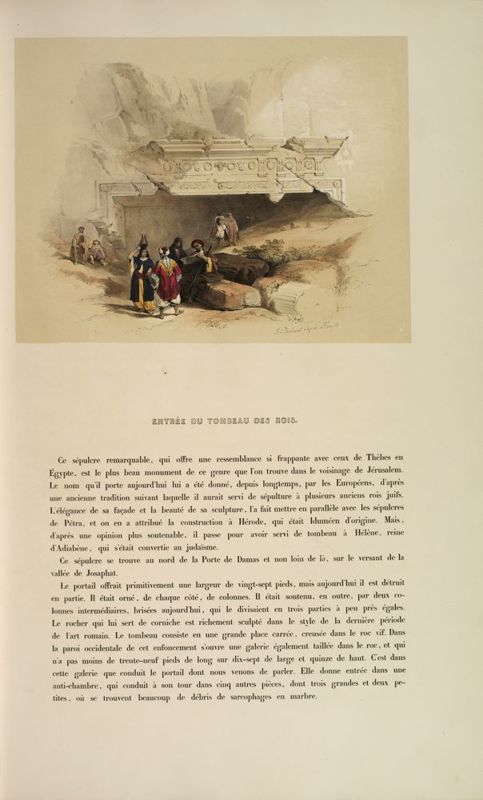
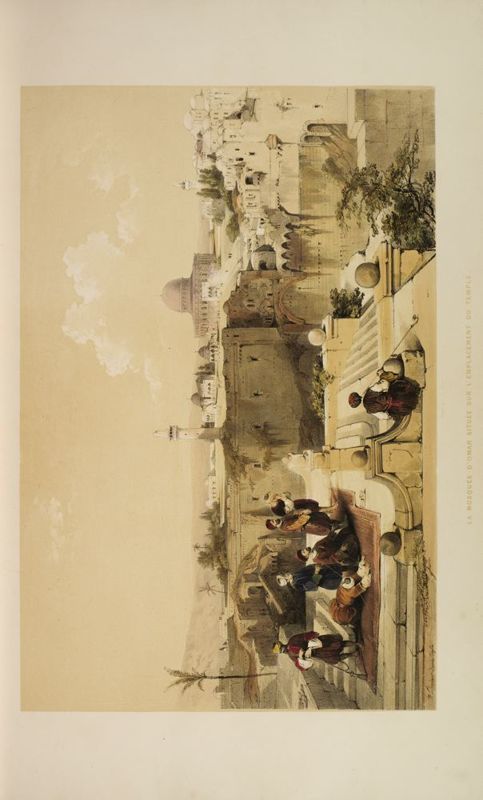
Folio. Recent half green morocco with cloth boards, seven compartments of raised bands, green calf label on the second compartment. Engraved title vignette coat of arms and 60 (later) hand-coloured lithographic plates (30 full-page and 30 half-page). Renewed endpapers. P. title blank (3) engraved title, blank table of contents (1) blank introduction plates and descriptions (unpaginated). Text in French. In excellent condition, plates are crisp clean, and the colours are vibrant. In 1838 Roberts made a long tour to the Eastern regions and accumulated a vast collection of sketches of Middle Eastern scenery, a region barely touched by British artists before Roberts. This marvelous work appealed to the public with all the charm of novelty. The next ten years of his life were primarily spent elaborating these materials. In February of 1839, he traveled to the Holy Land via Suez, Mount Sinai, and Petra arriving in Gaza and then to Jerusalem. He ended his tour by spending several months visiting the biblical sites of the Holy Land and finally returning to England at the end of 1839. Shortly after the first printing in London by David Roberts and Louis Haghe, a French version of the book was published in Brussels with the plates lithographed by F. Stroobant. Coloured plates on order (in English); Title page (Entrance to the Holy Sepulchre) 1. The Damascus Gate. 2. Interior of the Greek Chapel of The Holy Sepulchre. 3. Tomb of St. James. 4. Jerusalem, from the Mount of Olives. 5. Entrance to the tomb of the Kings. 6. The Mosque of Omar, on the ancient site of the Temple. 7. The Tomb of Zachariah. 8. Jerusalem from the South. 9. The Exterior of the Holy Sepulchre. 10. The Pool of Bethesda. 11. The Tower of David. 12. The Shrine of the Holy Sepulchre. 13. The Golden Gate. 14. The Church of Purification. 15. The Upper Fountain of Siloam. 16. Jerusalem from the Road leading to Bethany. 17. The Stone of Unction. 18. The Chapel of St. Helena. 19. The Fountain of Job. 20. Jerusalem from the North. 21. The Lower Pool of Siloam. 22. The Citadel of Jerusalem. 23. The Pilar of Absalon. 24. Calvary (interior). 25. Tomb of Aaron, on the Summit of Mount Hor. 26. El Deir, Petra. 27. Mount Hor from the Cliffs encircling Petra. 28. El Kasne, Petra. 29. The Shine of the Nativity. 30. Bethlehem. 31. Bethany. 32. Chancel of the Church of St. Helena. 33. Encampment of Pilgrims at Jericho. 34. Descent into the Valley of Jordan. 35. The Immersion of the Pilgrims. 36. Jericho. 37. The Dead Sea. 38. The Convent of St. Saba. 39. The Chapel of St. Saba. 40. Engedi. 41. Beit Jibrin or Eleutheropolis. 42. Hebron. 43. Ruins of Semua. 44. Askalon. 45. Ashdod. 46. Gaza. 47. The Citadel of Sidon. 48. Sidon. 49. The Shrine of the Annunciation. 50. The Church of the Annunciation. 51. Mount Tabor, from the Plain of Esdralon. 52. Nazareth. 53. Fountain of Cana. 54. Cana. 55. Tiberias, from the Walls. 56. The Sea of Tiberias. 57. Entrance to Nablous. 58. View of Nablous. 59. The Tomb of Joseph at Shechem. 60. Jacob's Well at Shechem.