If you would like to get in touch, please feel free to contact: email hidden; JavaScript is required
Browse collection
- Full collection
- 18th Century & earlier
- Ackermann
- Africa
- Alken
- Animals
- Arabasia
- Architecture/Mansions
- Art
- Australasia
- Botany
- British Isles
- Caricatures
- Children
- China
- Chromo added colour
- Chromolithographs
- Conchology
- Costume
- Cruikshank
- Culture/Lifestyle
- Dutch
- East European
- Far East
- France
- Furniture/Antiques
- General
- Germany
- Grandville
- Heraldry
- History
- History - England
- History - Europe
- Holy Land
- India
- India - sepia
- Islam
- Italy
- Japan
- Literature
- London
- Manuscript
- Map
- Military
- Monnier
- Natural history
- Pastimes
- Pochoir
- Polar regions
- Portraits
- Religious/Christian
- Religious/other
- Rowlandson
- Russia
- Science
- Scrapbook
- Sepia
- South America
- Sports/Hunting
- Stamps
- Swiss
- The Americas
- Theatre
- Travel/Scenery
- Watercolours
- World
TAYLER, Frederic.
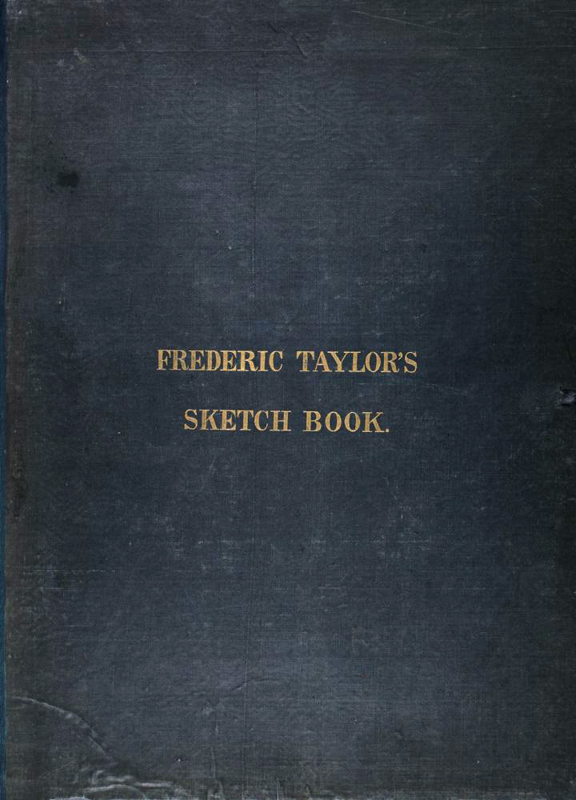
Frederic Taylor's Sketch Book.
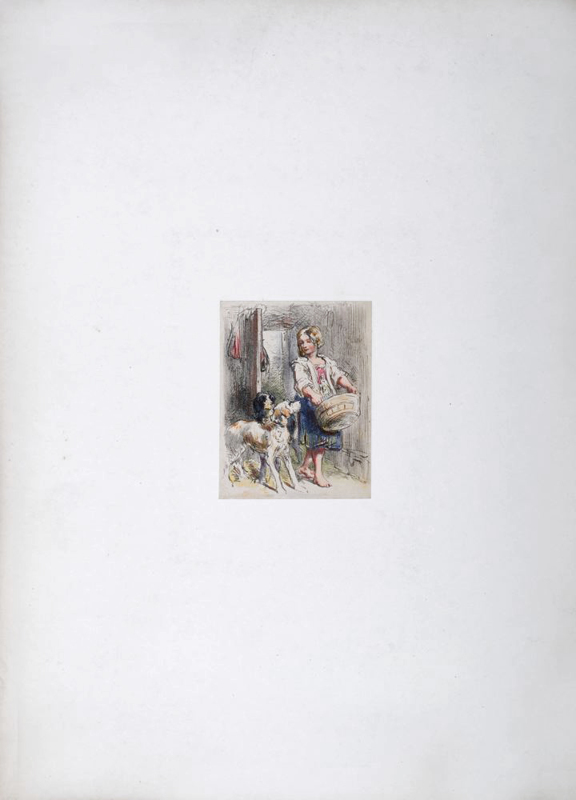
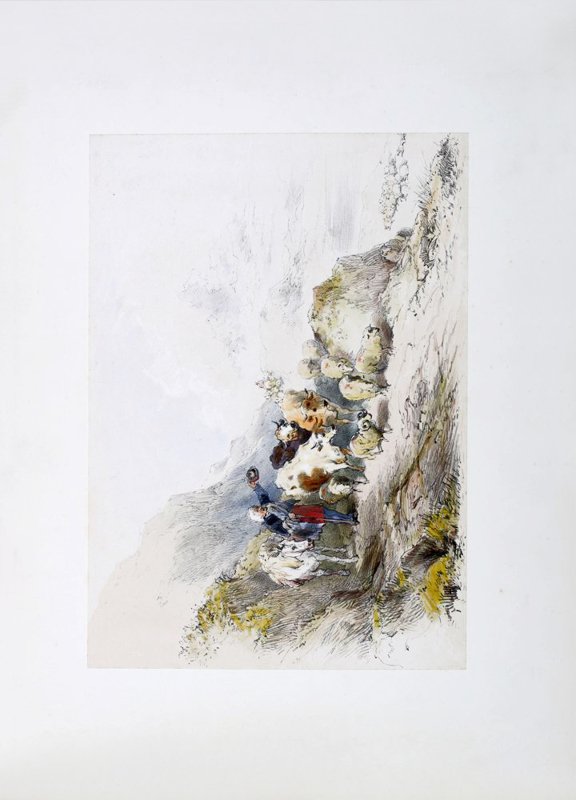
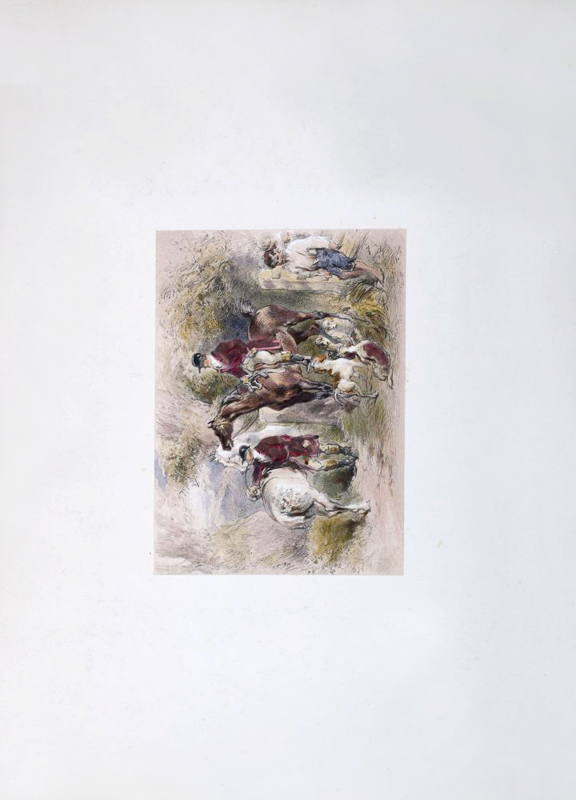
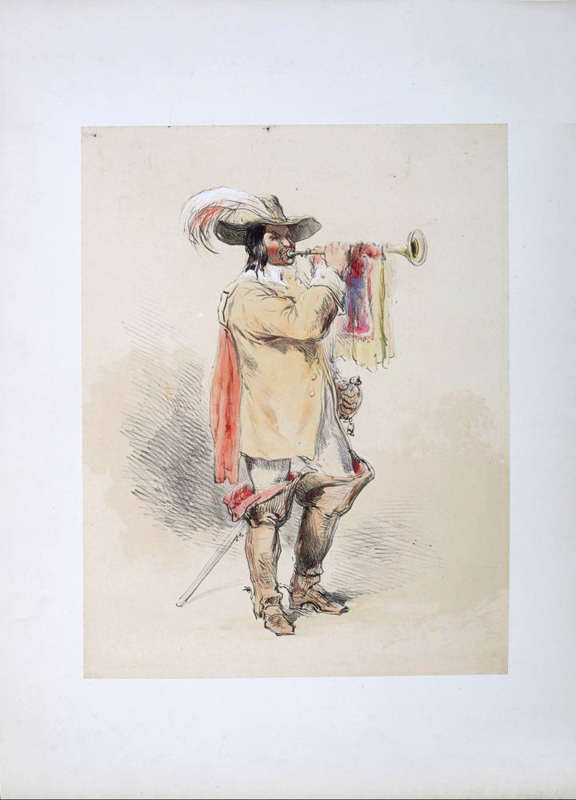
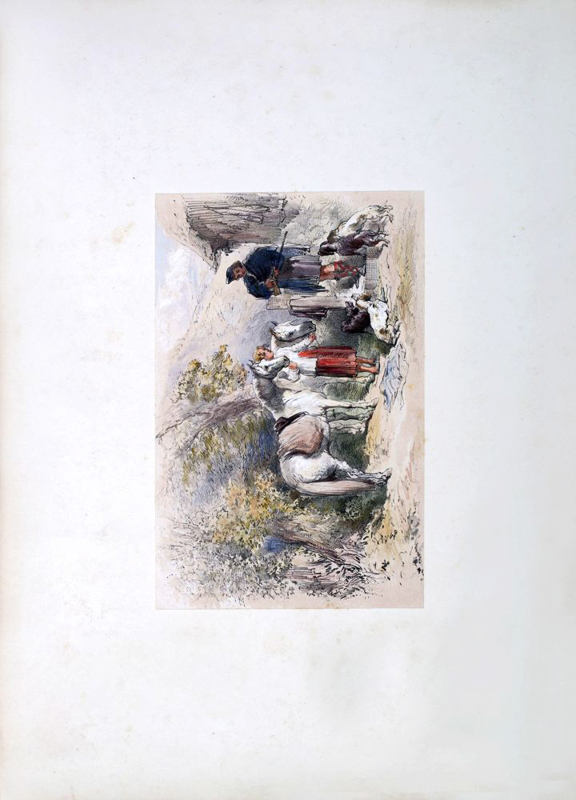
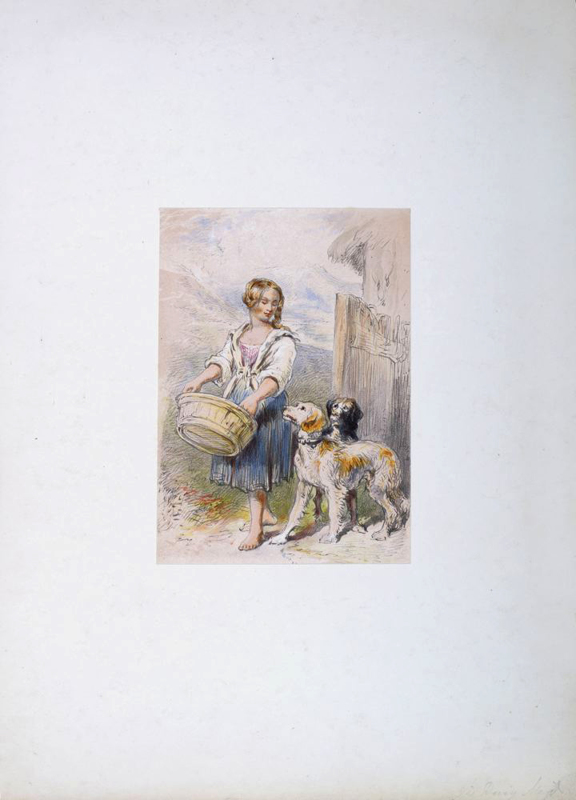
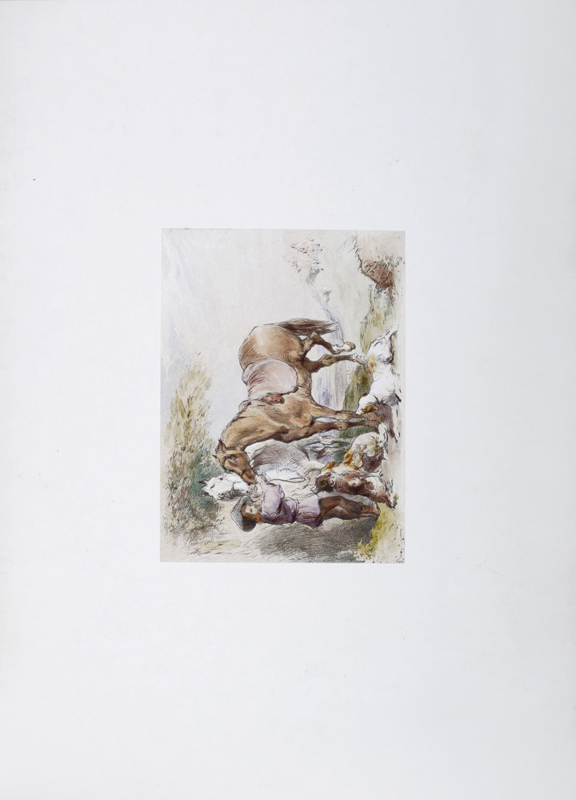
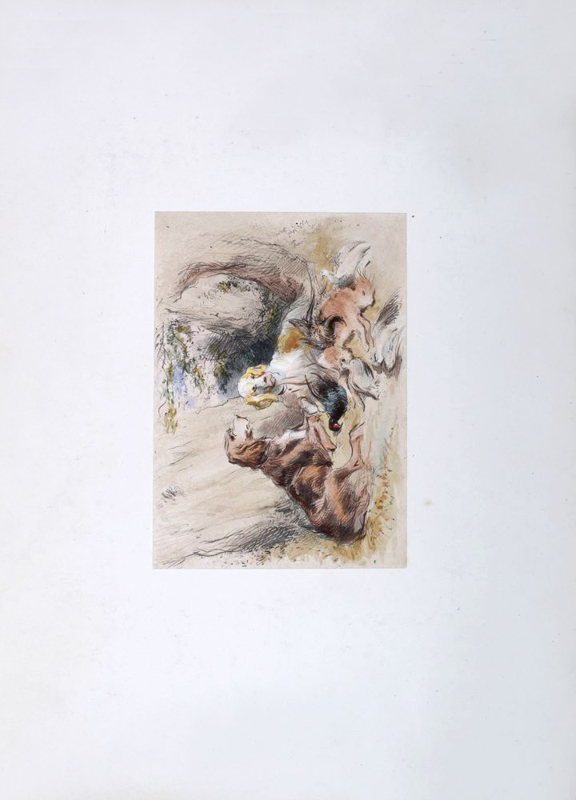
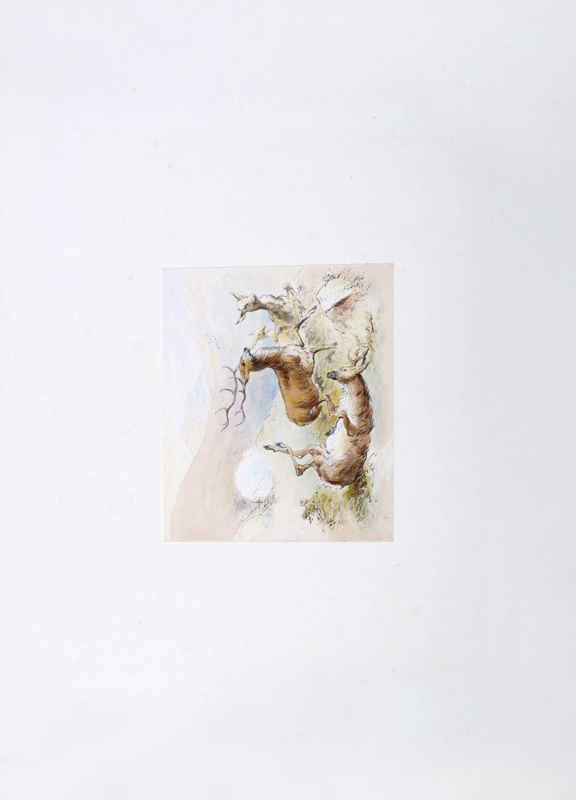
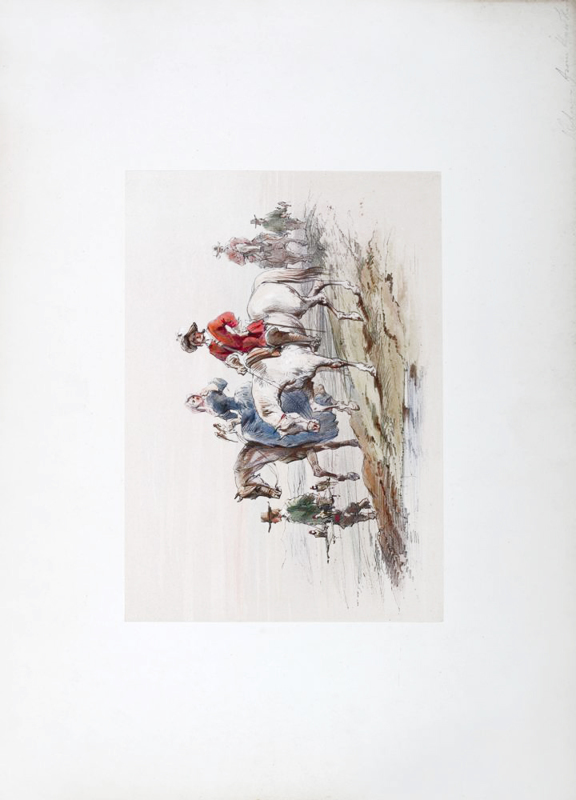
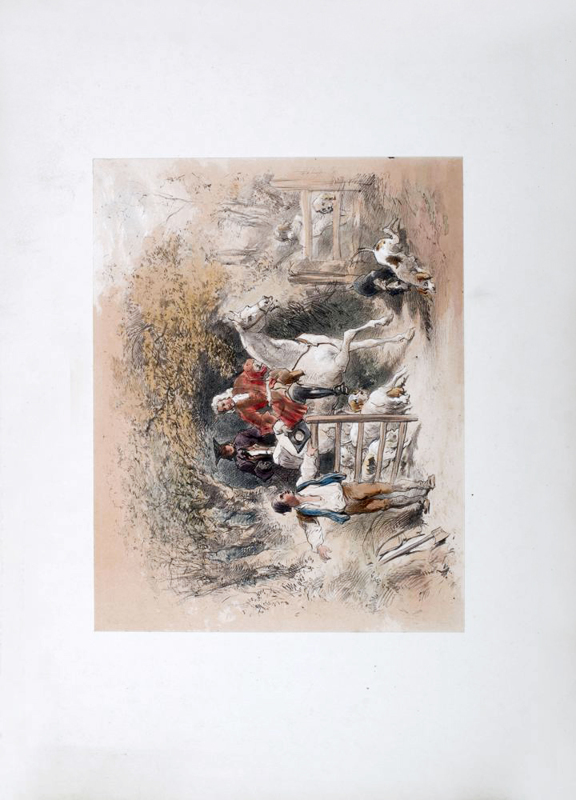
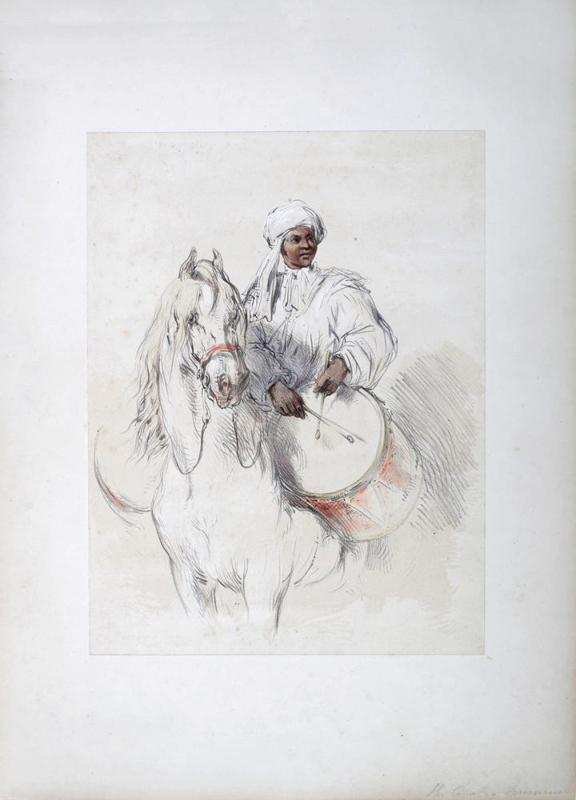
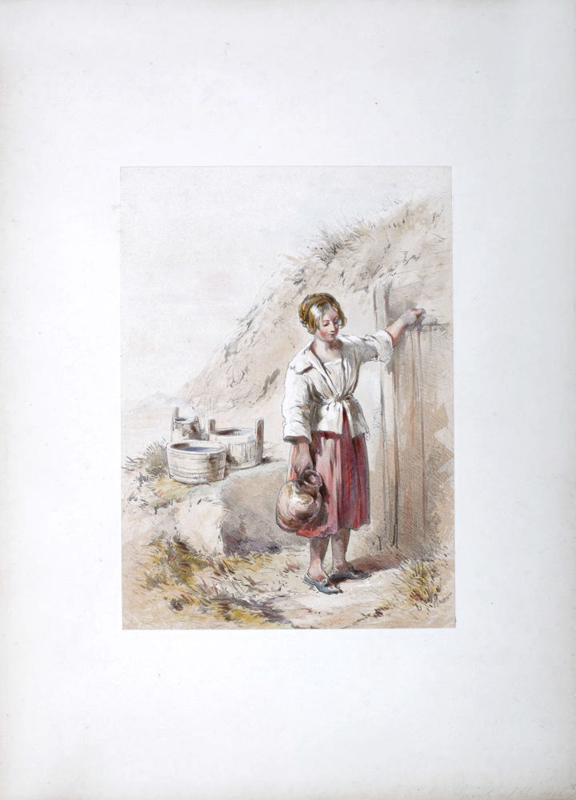
Scenes from Taylor's sketchbook. His work fell into three main groups; sports, pastoral scenes and landscapes, and historical illustrations.
- Published
- London: Messrs. Fores, c.1840
- References
- Not in usual bibliographies and no copy in BL. Bobins II 726.
- Plates
- 13
- Binding/Size
- M=4to
- Value
- 0-5000
- Published
- London: Messrs. Fores, c.1840
- Ref
- 431
Imperial Folio. 13 of 26 hand-coloured lithographs in various formats from 3 x 2" to 10" x 8"; mounted on card sheets (15" x 11"). Some marginal soiling and browning otherwise very good; loose in contemporary green moire cloth boards and matching silk ties; title in gilt to upper board; somewhat rubbed the spine splitting; signed by "Taylor, Kirkcudbright" on front pastedown [c.1840]. Tayler was born in 1802, one of 17 children. His father was a farmer and was ruined by the machinations of his agent, so he was forced to enlist in the army. Intended by his family for the Church, Frederic was educated at Eton and Harrow. However, he was determined to become an artist and entered the Royal Academy Schools, later traveling to Italy and France, where he studied under Horace Vernet. In 1830 he exhibited an oil painting, The Band of the 2nd Regiment of Life Guards, at the RA. He was elected a full member of the 'Society of Painters in Water Colours' in 1834. In the same year, he was to attract the patronage of the Queen, who bought some of his work for Windsor Castle. "Thereafter aristocratic taste and Tayler's considerable social connections enabled him to sell his work for high prices; Return from Hawking [an etching of that title present here] for instance was purchased for £465 3s in 1864." [ODNB ]. His favourite subjects "can be divided into three groups: sporting scenes often in costume and with horses; pastoral scenes mostly Scottish; and historical illustrations frequently inspired by the Waverley novels." [ibid. ] Very much as represented here. Ruskin wrote that "few drawings of the present-day involve a greater sensation of power. Every dash tells, and the quantity of effect obtained is enormous in proportion to the apparent means." [quoted in Bryan]. Henry Walker, however, while in agreement on the means, would beg to differ as to the ends "His paintings have great dash and evince power of a sketchy kind albeit they are somewhat washy and blotty in execution and at a day when care and finish are becoming almost universal, are works not wholly up to our time." [Our Living Painters pp.244-5] Coloured plates in order: 1. The Page in Waiting. 2. Sporting Dogs. 3. The Ambush. 4. Return from Hawking. 5. The North Gate. 6. The Cavalry Drummer. 7. Girl of the Water. 8. [no caption] Young girl bringing in the Washing, followed by two Dogs. 9. The Highland Drover. 10. The Huntsmen. 11. The Trumpeter. 12. Morning of the Chase. 13. The Dairy Maid.