If you would like to get in touch, please feel free to contact: email hidden; JavaScript is required
Browse collection
- Full collection
- 18th Century & earlier
- Ackermann
- Africa
- Alken
- Animals
- Arabasia
- Architecture/Mansions
- Art
- Australasia
- Botany
- British Isles
- Caricatures
- Children
- China
- Chromo added colour
- Chromolithographs
- Conchology
- Costume
- Cruikshank
- Culture/Lifestyle
- Dutch
- East European
- Far East
- France
- Furniture/Antiques
- General
- Germany
- Grandville
- Heraldry
- History
- History - England
- History - Europe
- Holy Land
- India
- India - sepia
- Islam
- Italy
- Japan
- Literature
- London
- Manuscript
- Map
- Military
- Monnier
- Natural history
- Pastimes
- Pochoir
- Polar regions
- Portraits
- Religious/Christian
- Religious/other
- Rowlandson
- Russia
- Science
- Scrapbook
- Sepia
- South America
- Sports/Hunting
- Stamps
- Swiss
- The Americas
- Theatre
- Travel/Scenery
- Watercolours
- World
BLAKE, William.
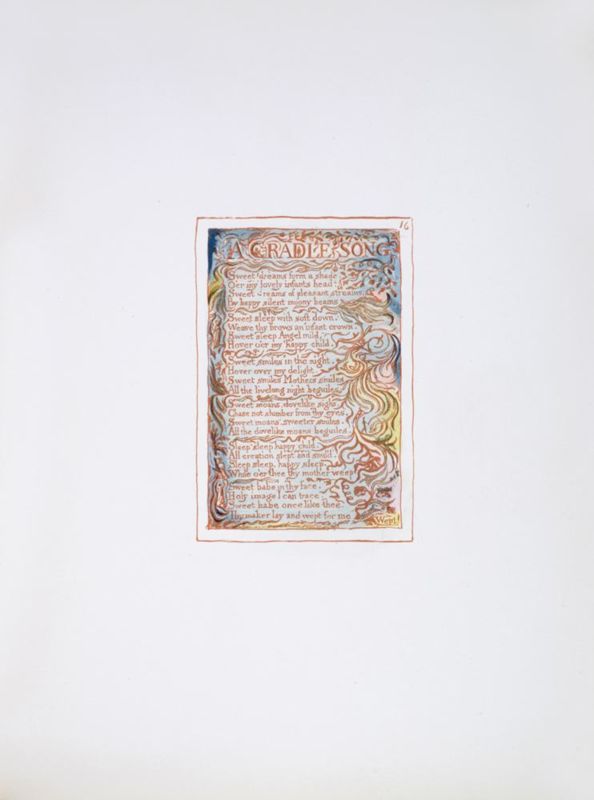
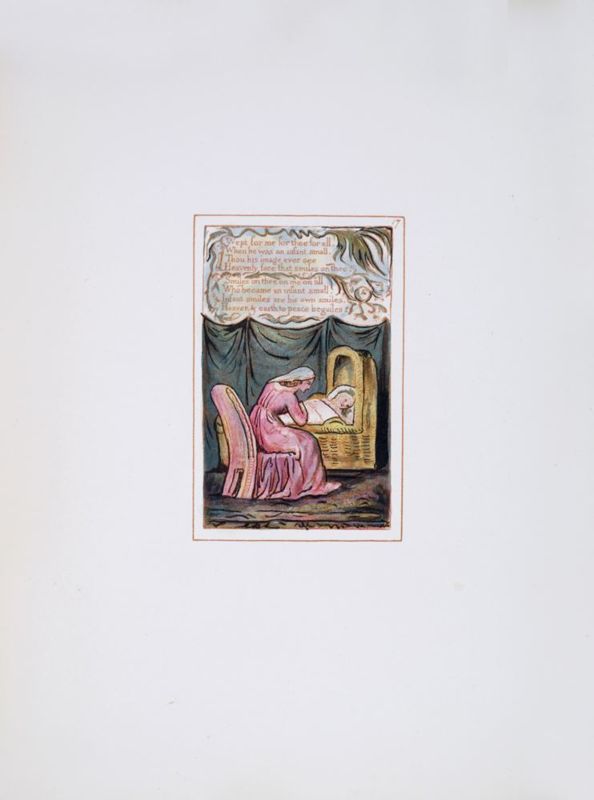
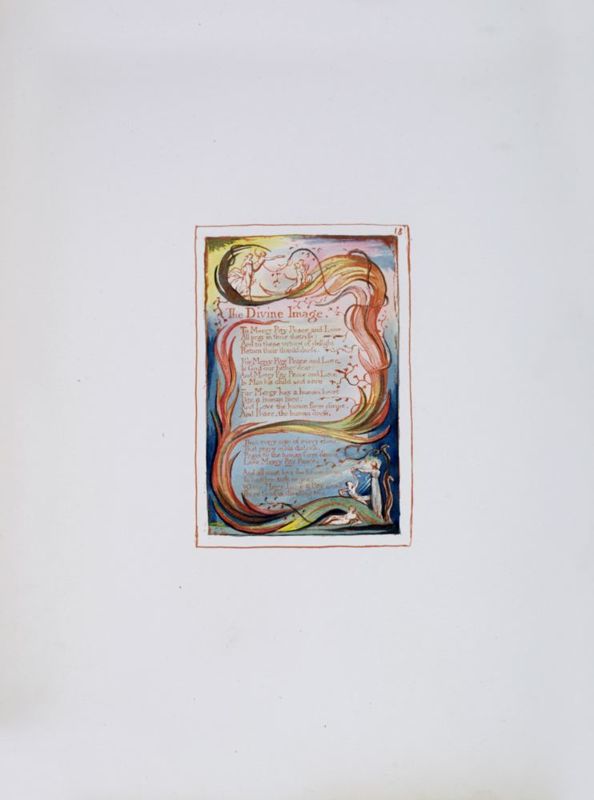
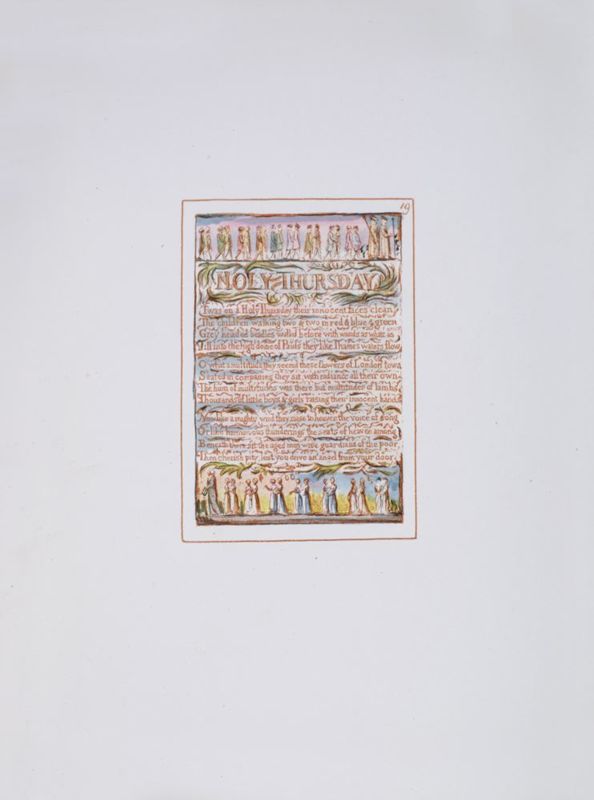
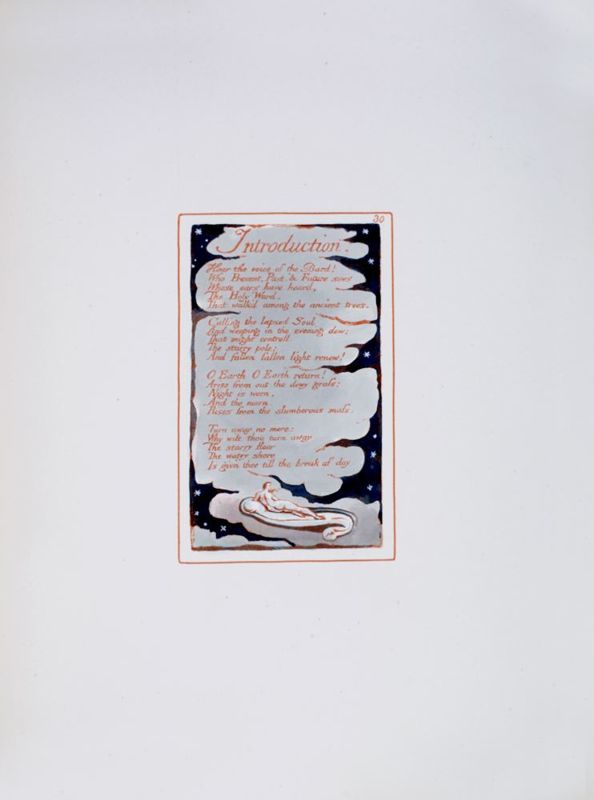
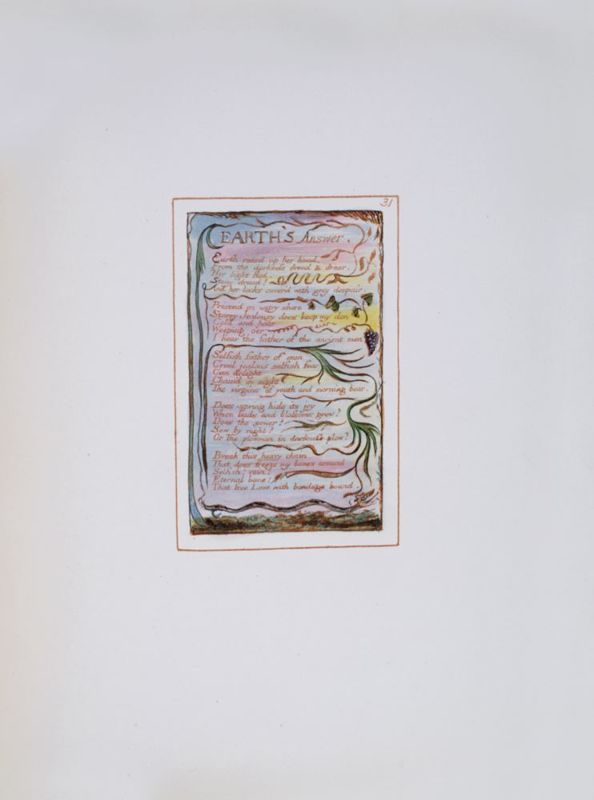
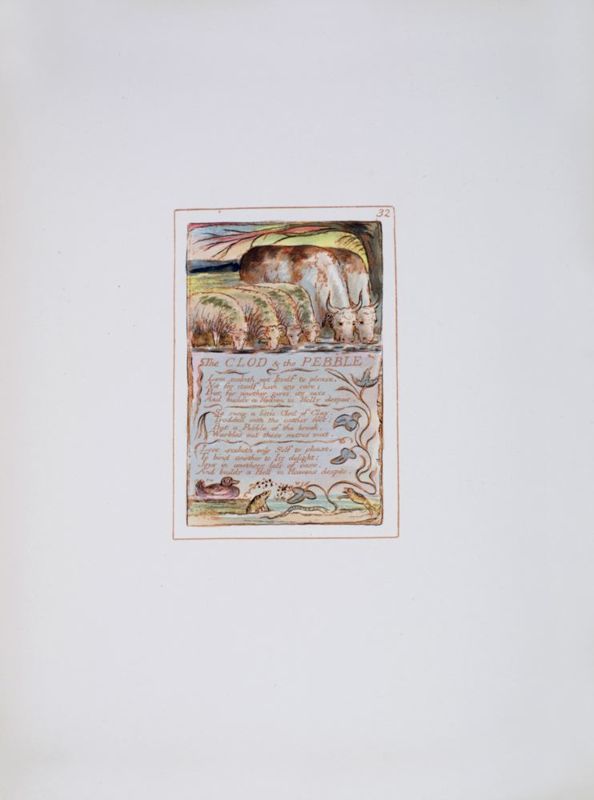
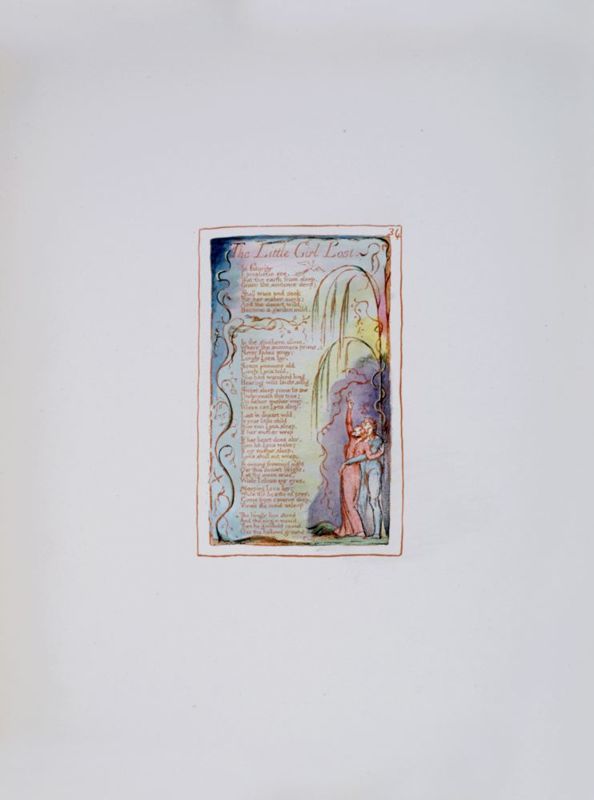
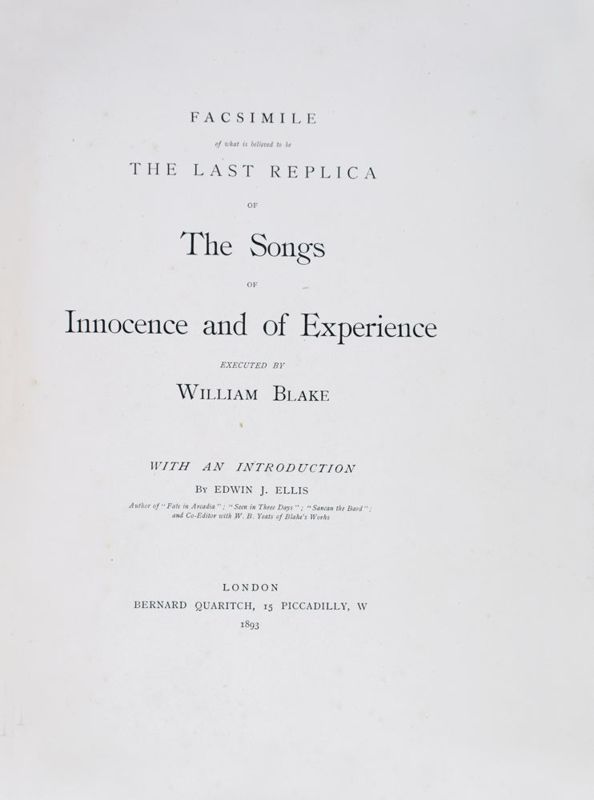
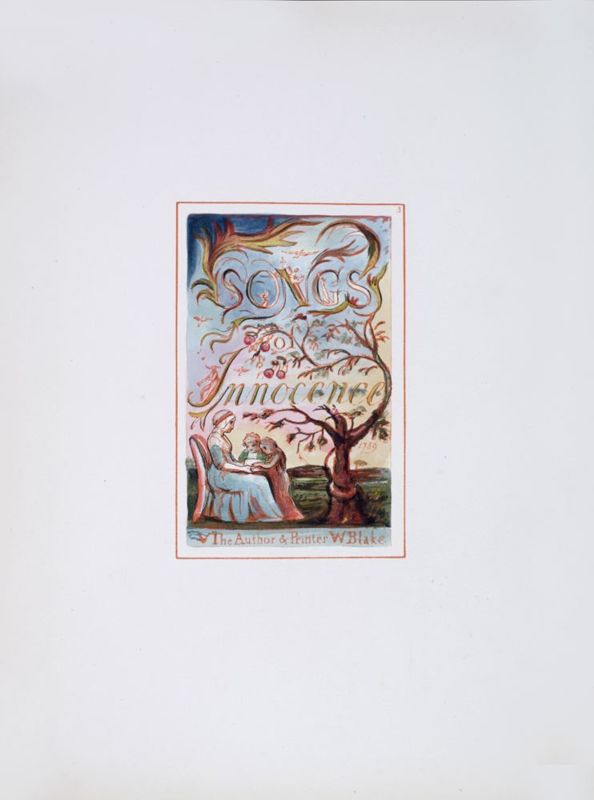
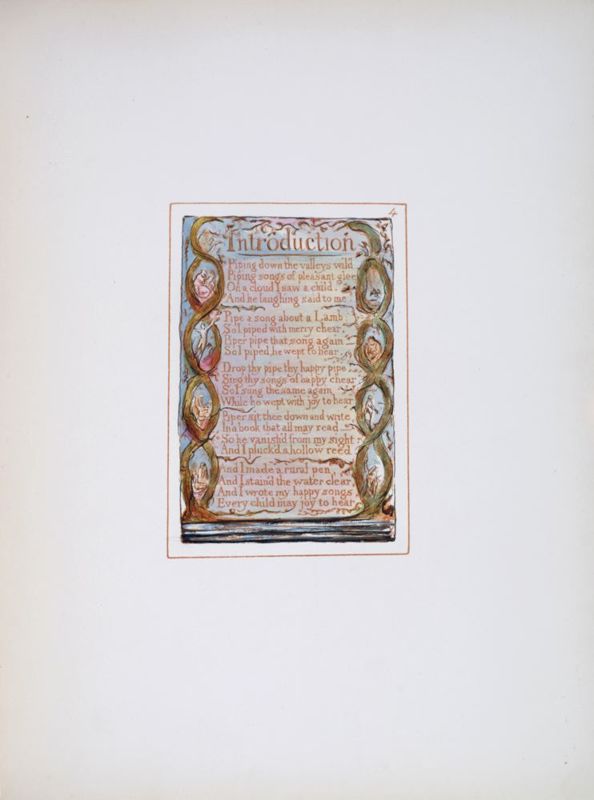
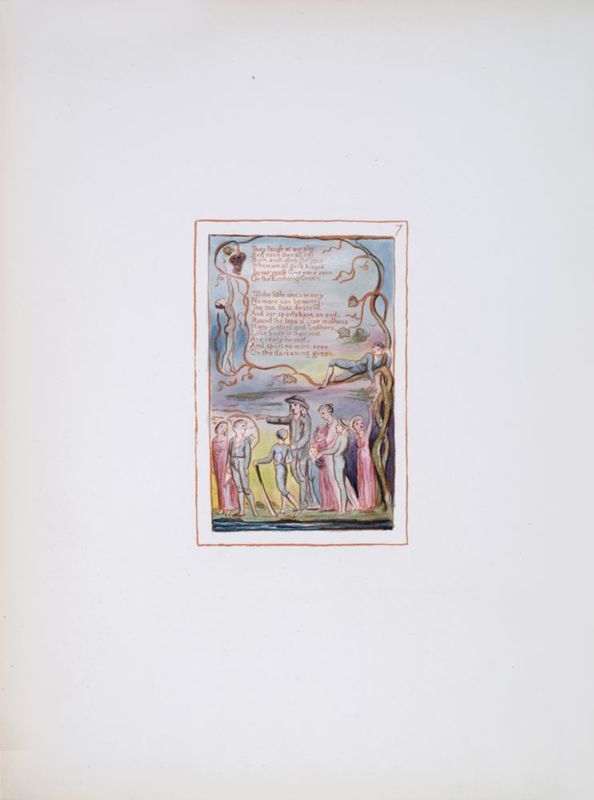
Facsimiles of what is believed to be the last replica of the songs of innocence and of experience executed by William Blake. with an introduction by edwin J. ELLIS
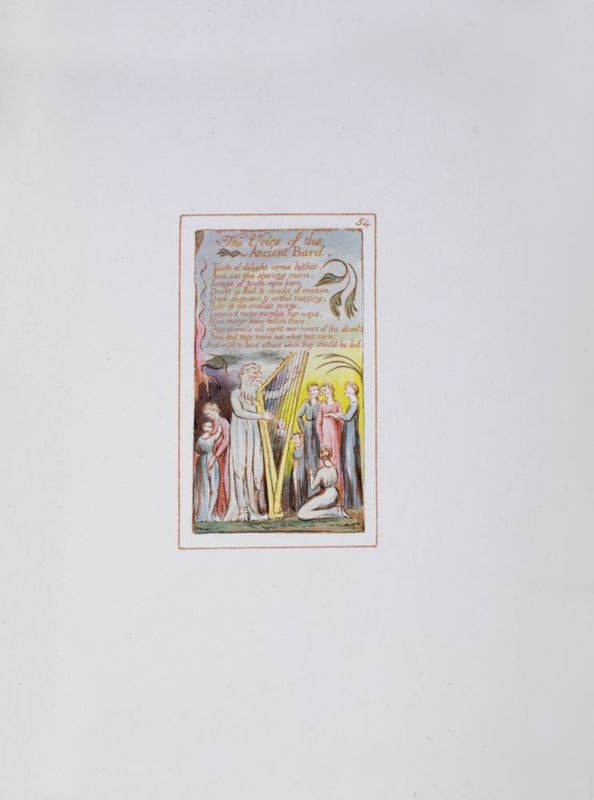
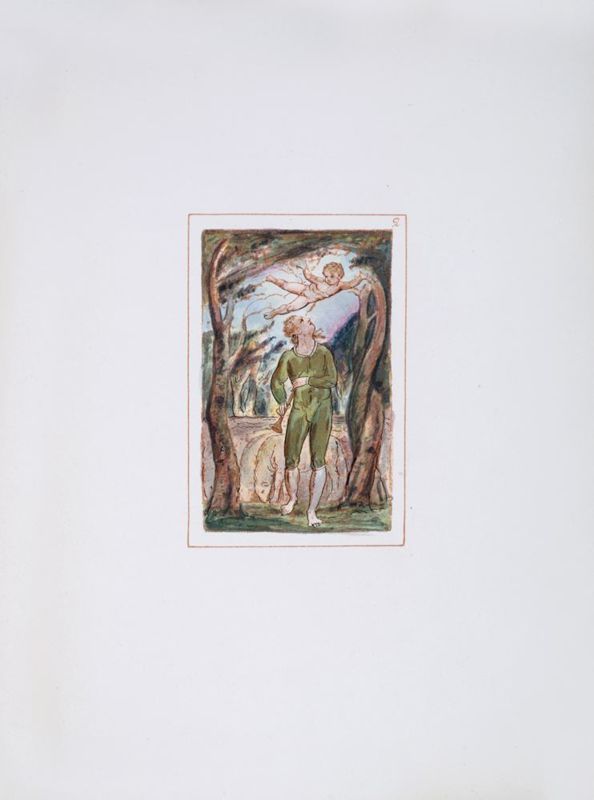
William Blake was an artist, poet, mystic, visionary and radical thinker. Working at a time of great social and political change, his work explores the tensions between the human passions and the repressive nature of social and political conventions. In Songs of Innocence and of Experience, perhaps his most famous collection of poems, he investigates, as he put it in the subtitle, 'the two contrary states of the human soul'. Songs of Innocence and of Experience is regarded as both a visual and literary work of art. Blake invented a new way of printing, designing the work in reverse with varnish on metal plates, which were then etched with acid to produce relief printing surfaces; these were printed in brown ink, and the prints were coloured by hand. Only a small number of copies were made, and sold privately to friends and collectors. (The BL)




- Published
- London: Quaritch, 1893.
- Plates
- 54
- Binding/Size
- M=4to
- Value
- 0-5000
- Published
- London: Quaritch, 1893.
- Ref
- 1114
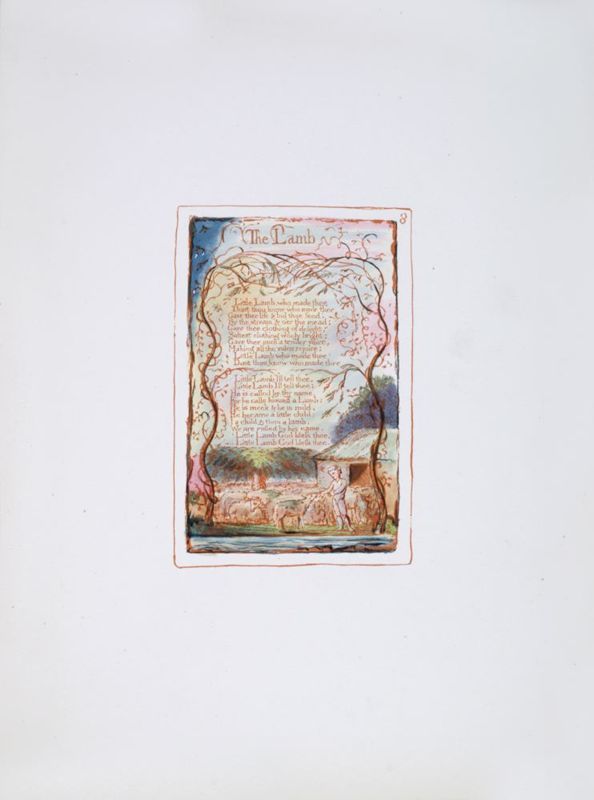
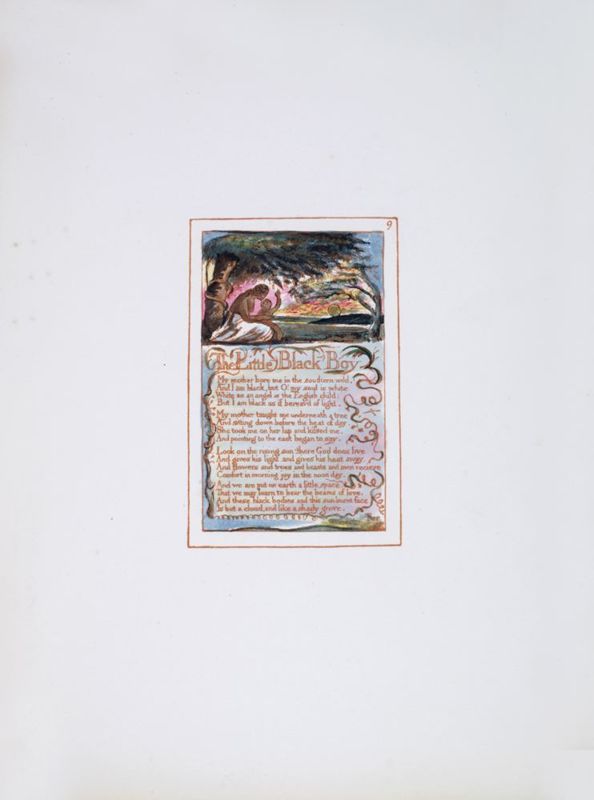
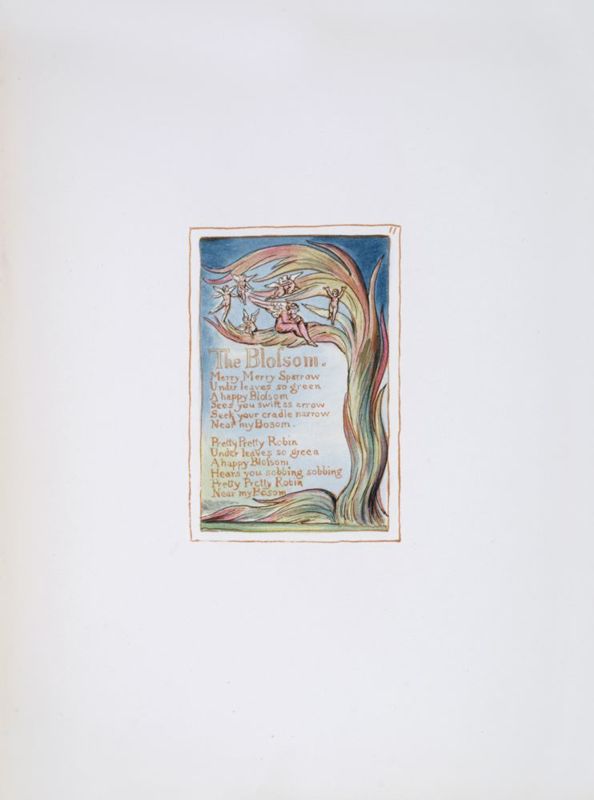
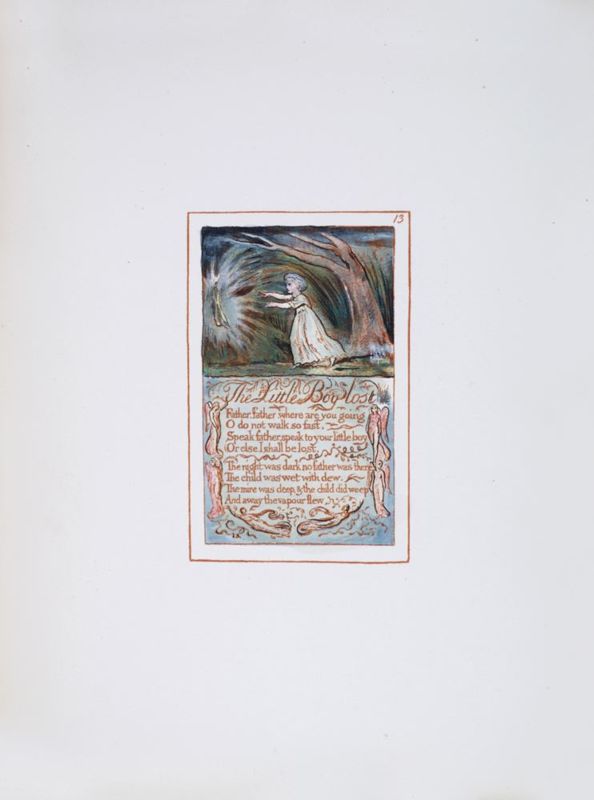
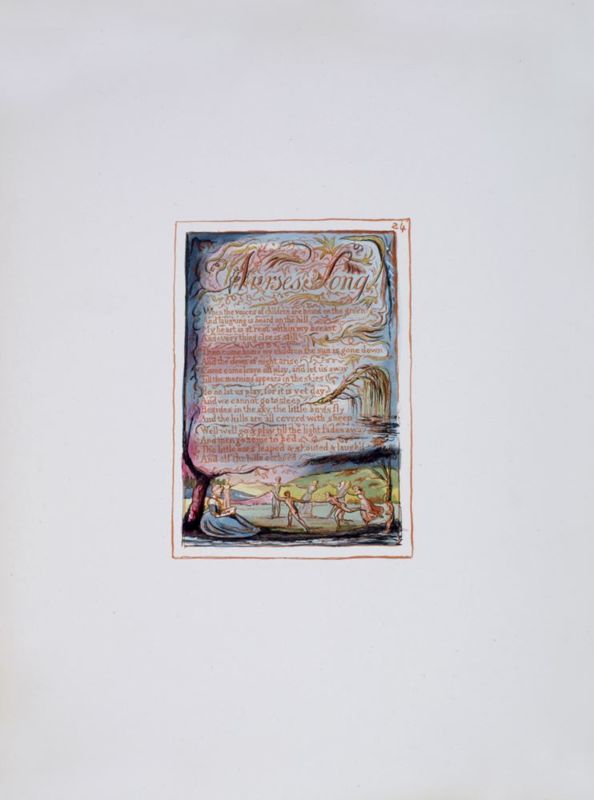
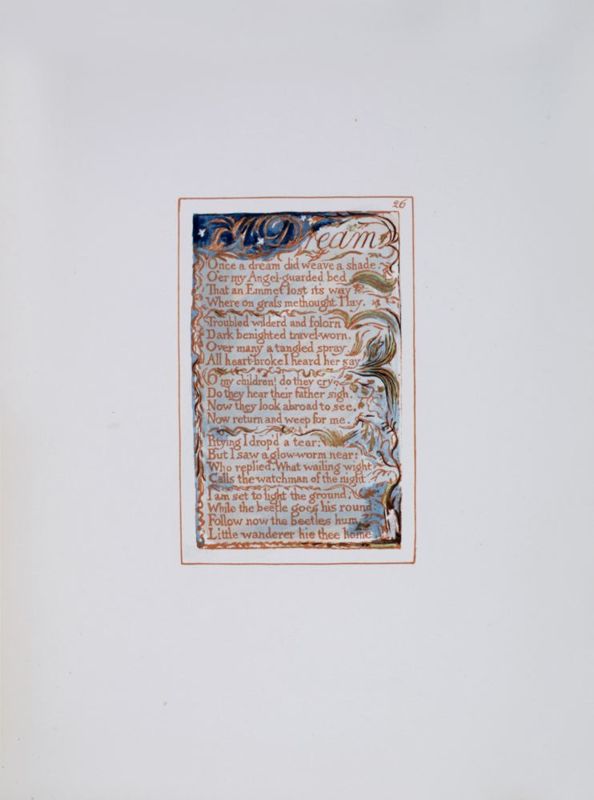
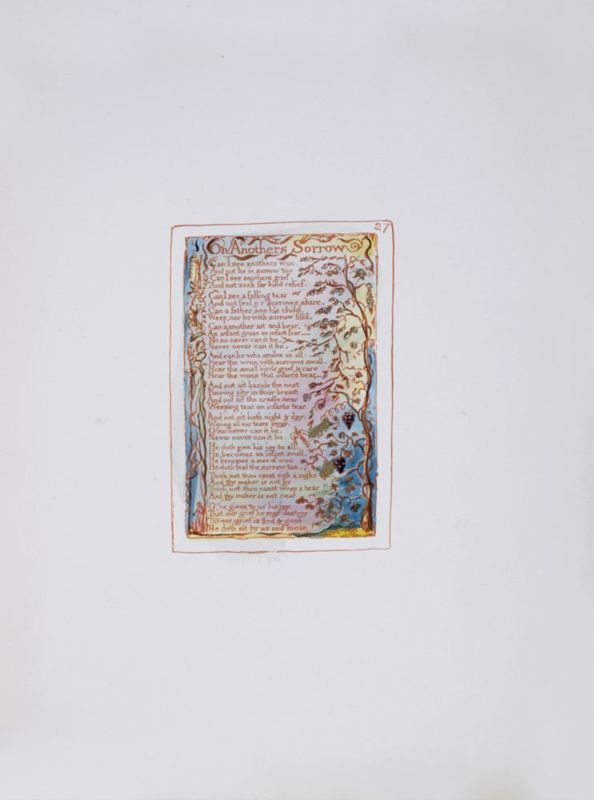
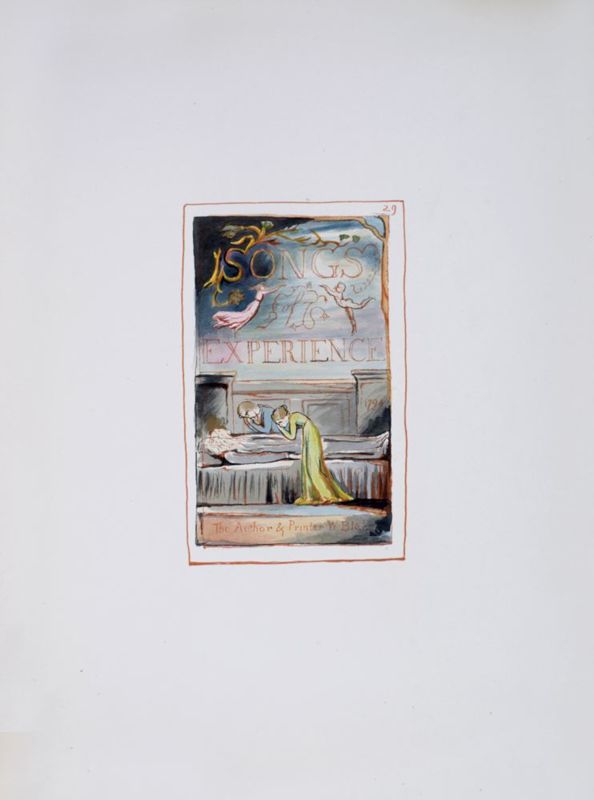
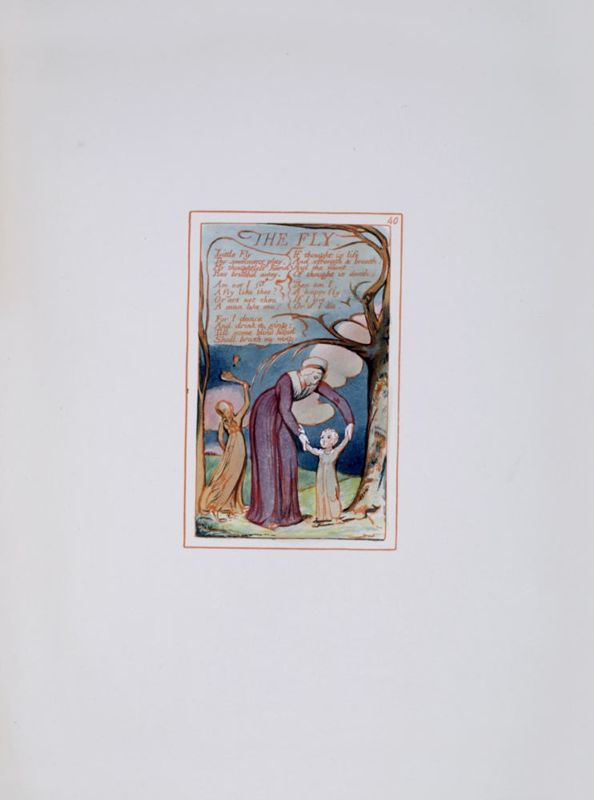
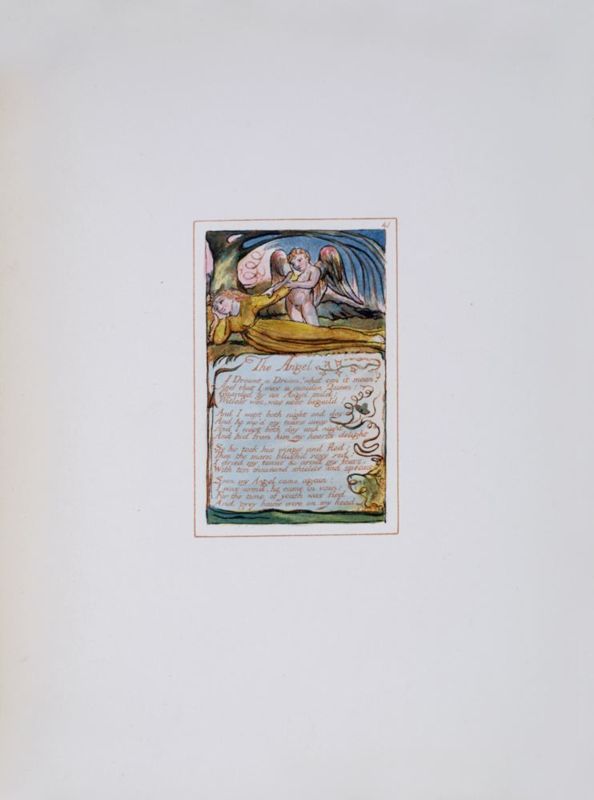
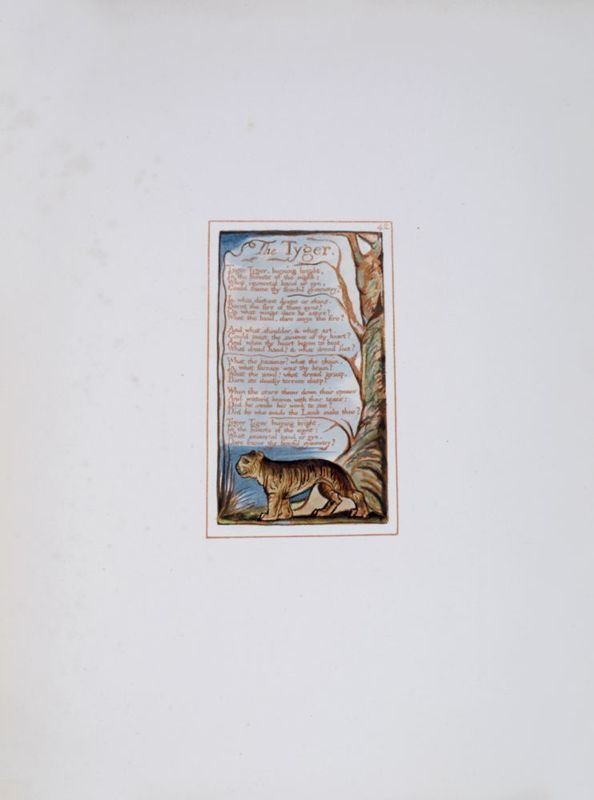
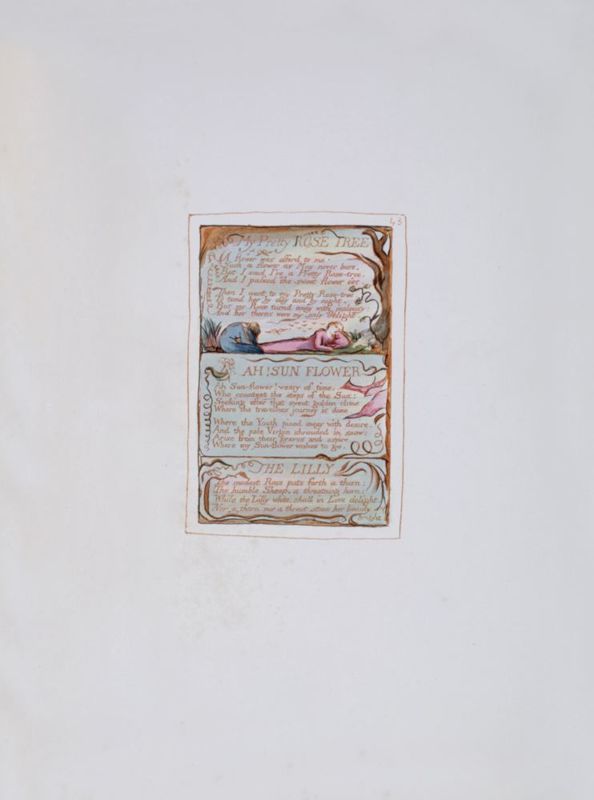
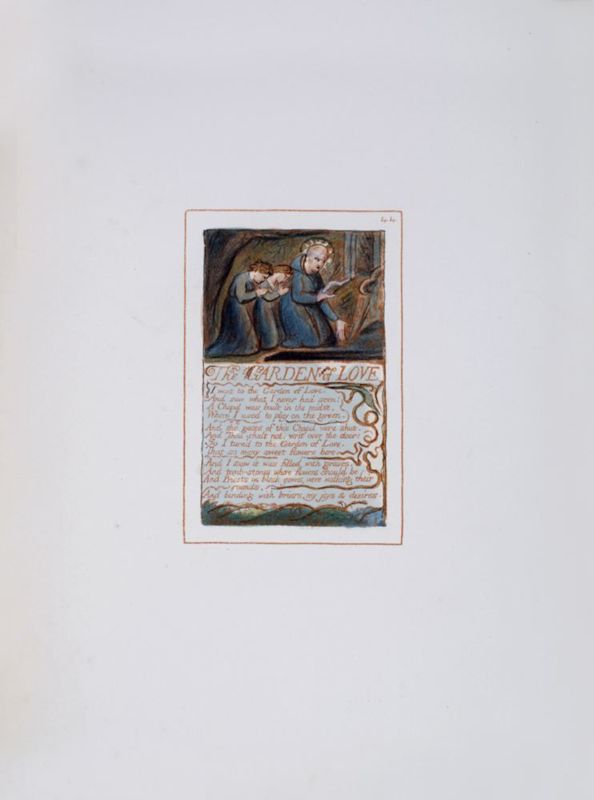
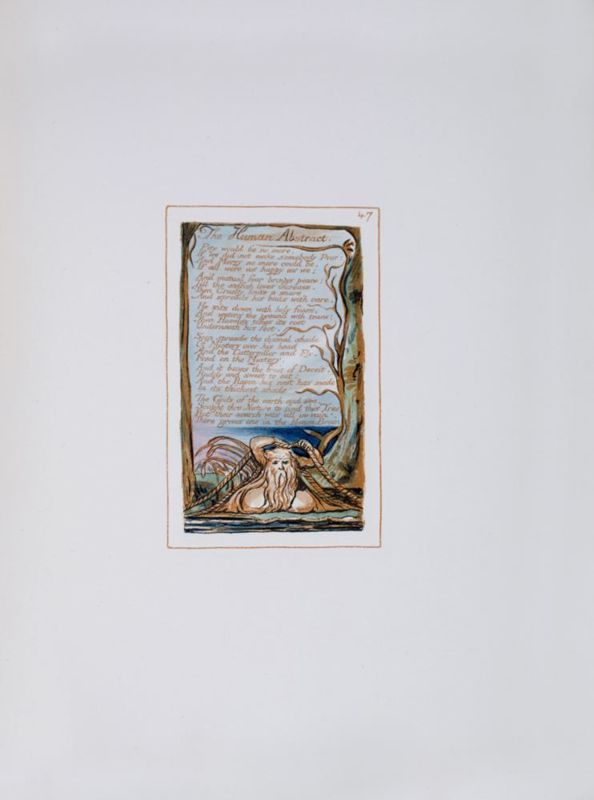
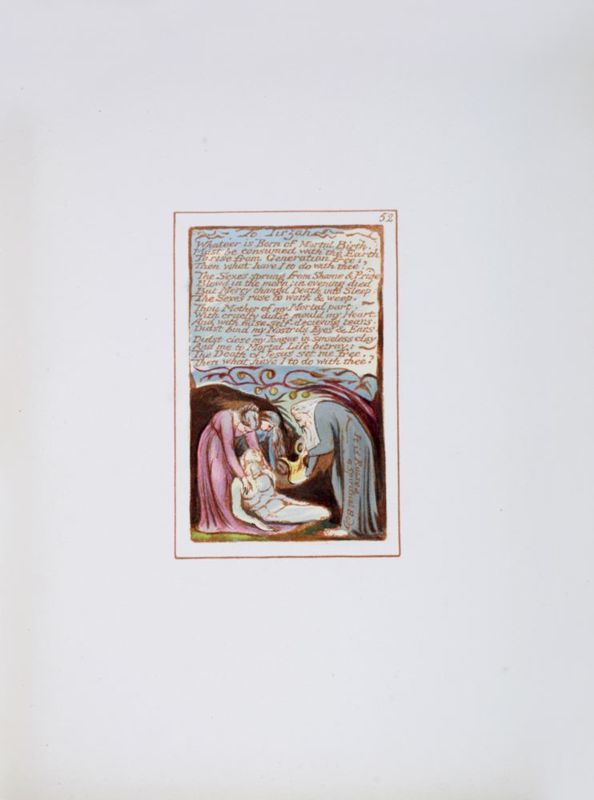
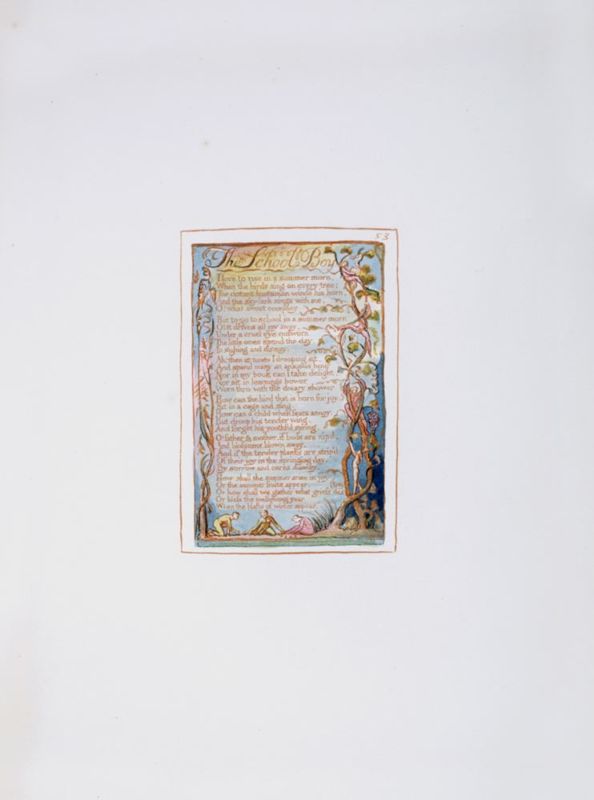
Large 4to, half morocco and cloth; spine lettered in gilt; Rubbed spot on lower board; leather consolidated and waxed. Condition is about fine. One of 50 hand colored copies, heightened in gold, this is #14. Sigmed by Edwin John Ellis. Fifty four leaves, each with a color illustration. Chocolate coloured endpapers. Coloured plates in order: 1. Title page. 2. Frontispiece. 3. Title page to Part 1. 4. Introduction. 5. The Shepherd. 6-7. The Echoing Green. 8. The Lamb. 9-10. The Little Black Boy. 11. The Blossom. 12. The Chimney Sweeper. 13. The Little Boy Lost. 14. The Little Boy Found. 15. Laughing Song. 16-17. A Cradle Song. 18. The Divine Image. 19. Holy Thursday. 20-21. Night. 22-23. Spring. 24. Nurse's Song. 25. Infant Joy. 26. A Dream. 27. On Another's Sorrow. 28. Frontispiece to Part 2. 29. Title page to Part 2. 30. Introduction. 31. Earth's Answer. 32. The Clod and the Peeble. 33. Holy Thursday. 34-35. The Little Girl Lost. 35-36. The Litle Girl Found. 37. The Chimney Sweeper. 38. Nurse's Song. 39. The Sick Rose. 40. The Fly. 41. The Angel. 42. The Tyger. 43. My Pretty Rose Tree / Ah! Sun Flower / The Lilly. 44. The Garden of Love. 45. The Litle Vagabond. 46. London. 47. The Human Abstract. 48. Infant Sorrow. 49. A Poison Tree. 50. A Little Boy Lost. 51. A Liitle Girl Lost. 52. To Tirzah. 53. The Schoolboy. 54. The Voice of the Ancient Bard.