If you would like to get in touch, please feel free to contact: email hidden; JavaScript is required
Browse collection
- Full collection
- 18th Century & earlier
- Ackermann
- Africa
- Alken
- Animals
- Arabasia
- Architecture/Mansions
- Art
- Australasia
- Botany
- British Isles
- Caricatures
- Children
- China
- Chromo added colour
- Chromolithographs
- Conchology
- Costume
- Cruikshank
- Culture/Lifestyle
- Dutch
- East European
- Far East
- France
- Furniture/Antiques
- General
- Germany
- Grandville
- Heraldry
- History
- History - England
- History - Europe
- Holy Land
- India
- India - sepia
- Islam
- Italy
- Japan
- Literature
- London
- Manuscript
- Map
- Military
- Monnier
- Natural history
- Pastimes
- Pochoir
- Polar regions
- Portraits
- Religious/Christian
- Religious/other
- Rowlandson
- Russia
- Science
- Scrapbook
- Sepia
- South America
- Sports/Hunting
- Stamps
- Swiss
- The Americas
- Theatre
- Travel/Scenery
- Watercolours
- World
Unknown.
Bhagavadgita.
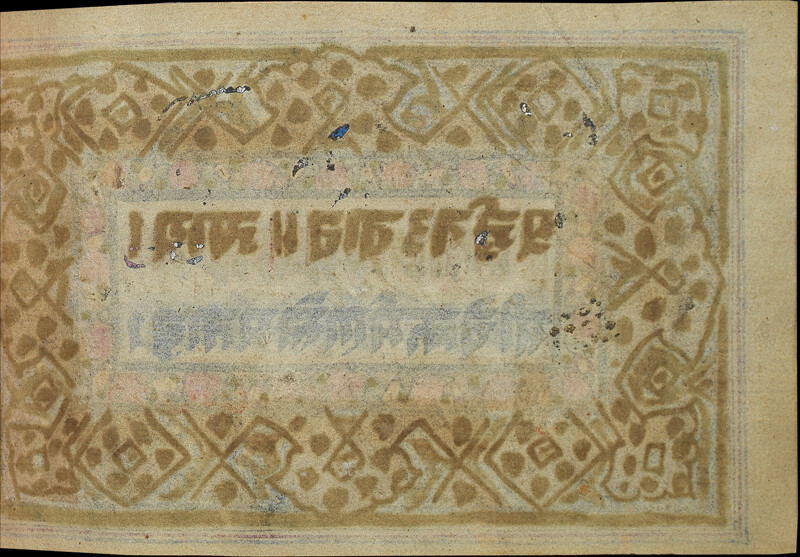
Complete, an illuminated Sanskrit MS - a 700 verse Sanskrit poem, encapsulating the core and fundamental doctrines of the Hindu religious philosophy of Vasudeva, whose followers recognise it as a manifestation of the essence of divine. 269 leaves, which include 25 blanks.




- Published
- Kashmir, early 19th century.
- Plates
- 18
- Binding/Size
- S=8vo
- Value
- 5001-25000
- Published
- Kashmir, early 19th century.
- Ref
- 1690
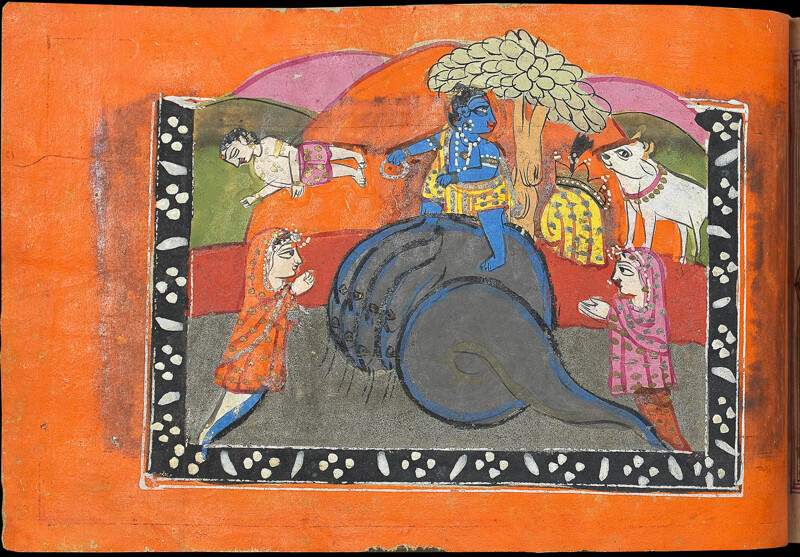
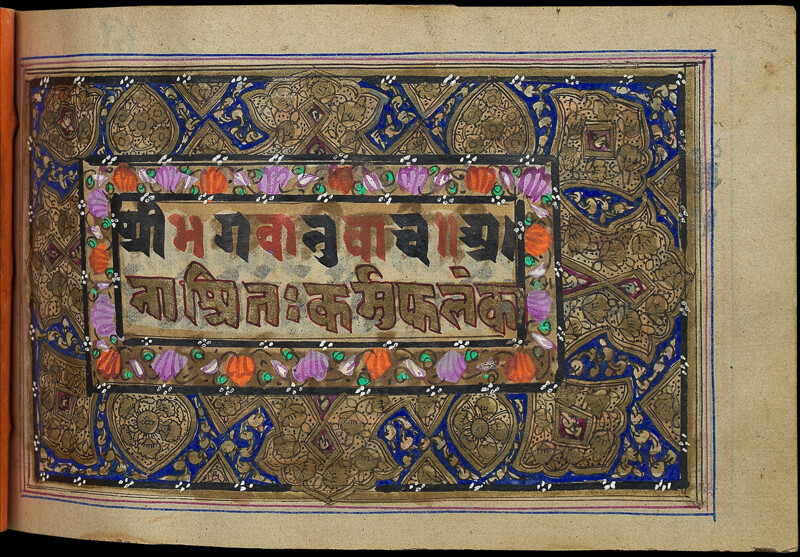
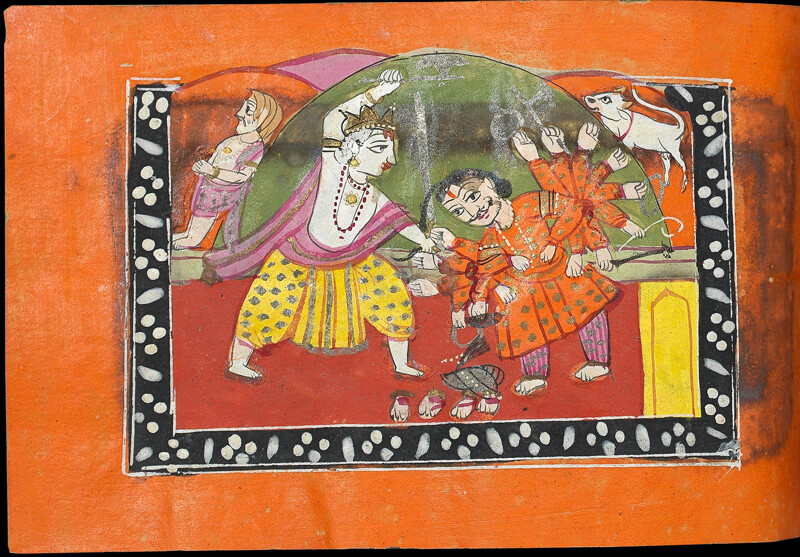
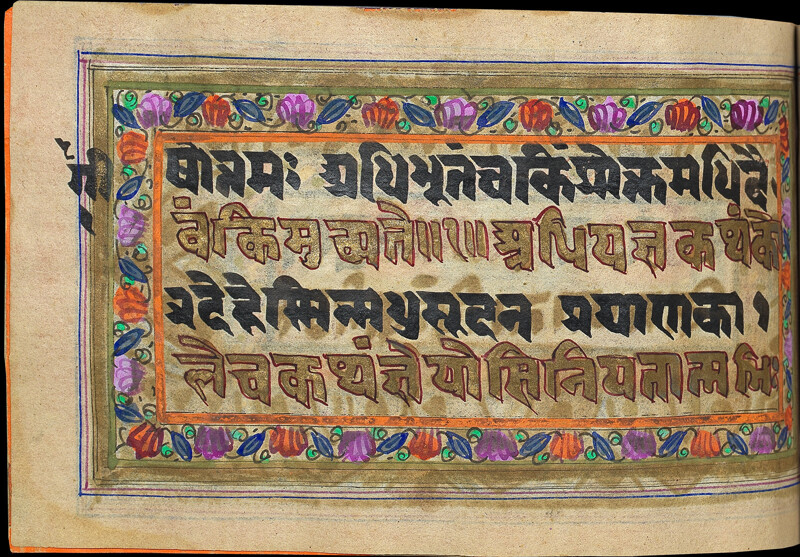
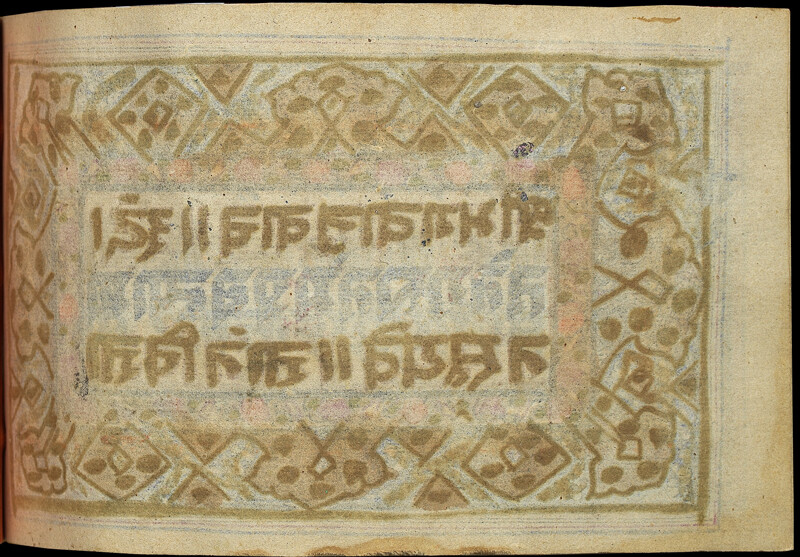
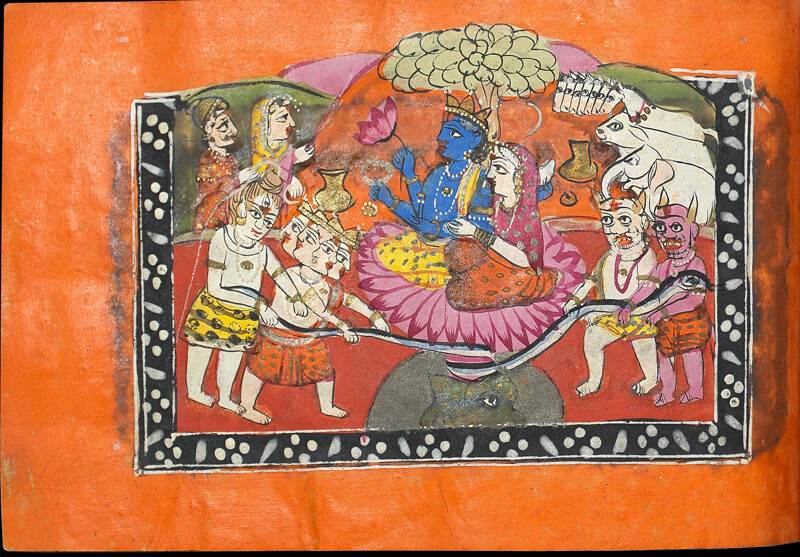
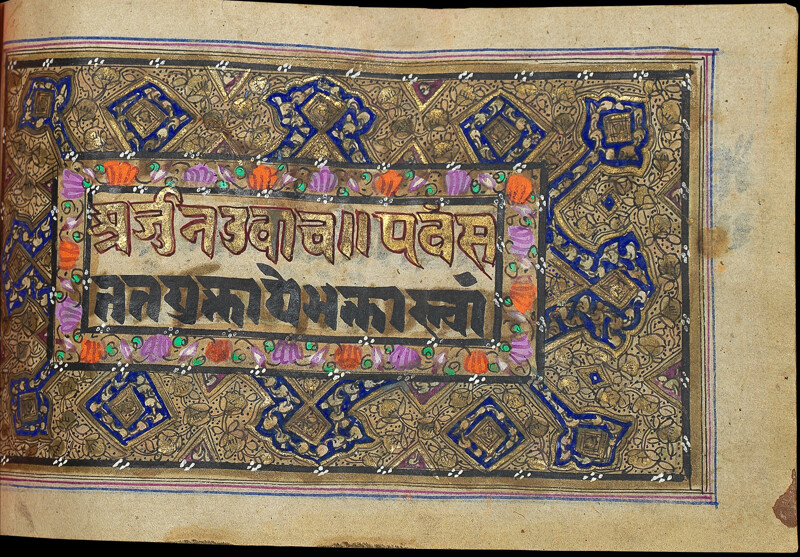
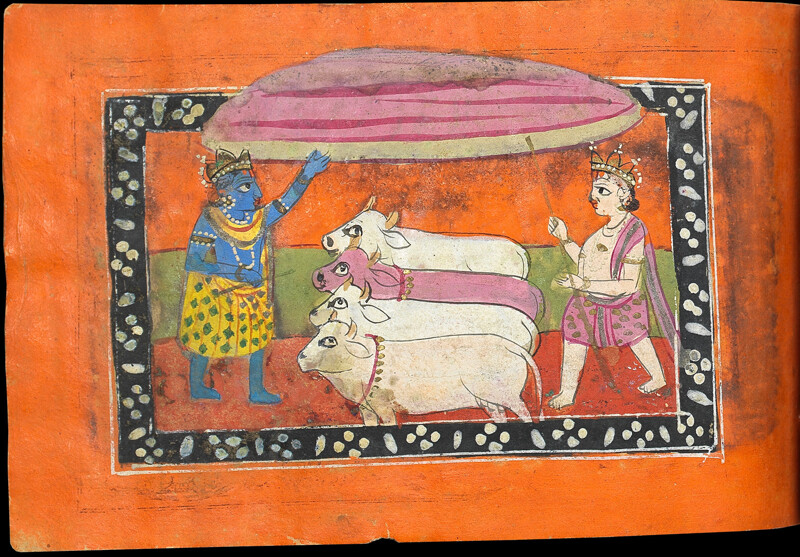
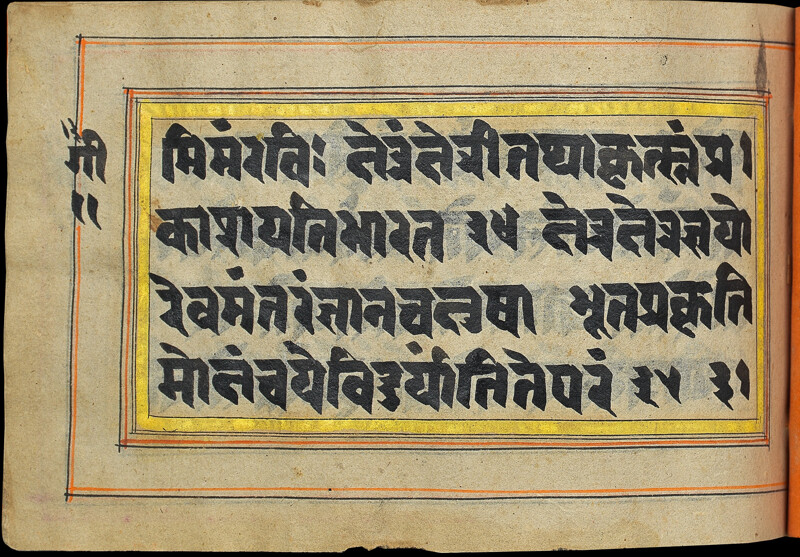
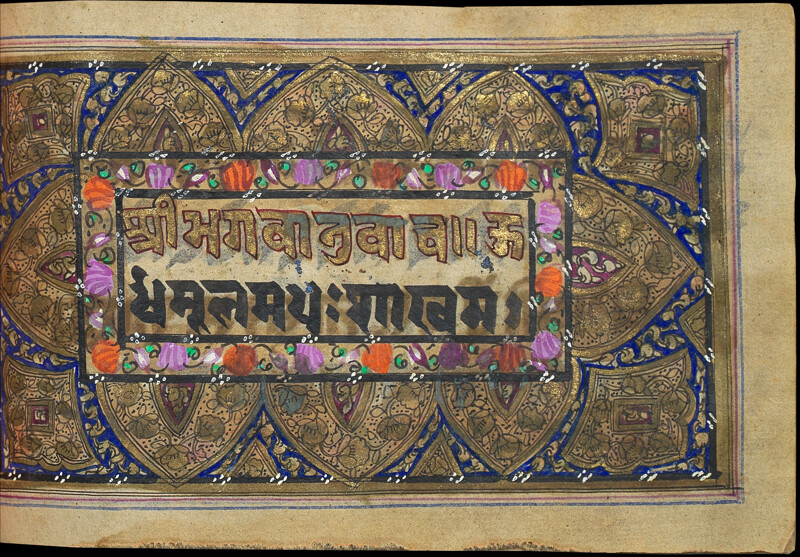
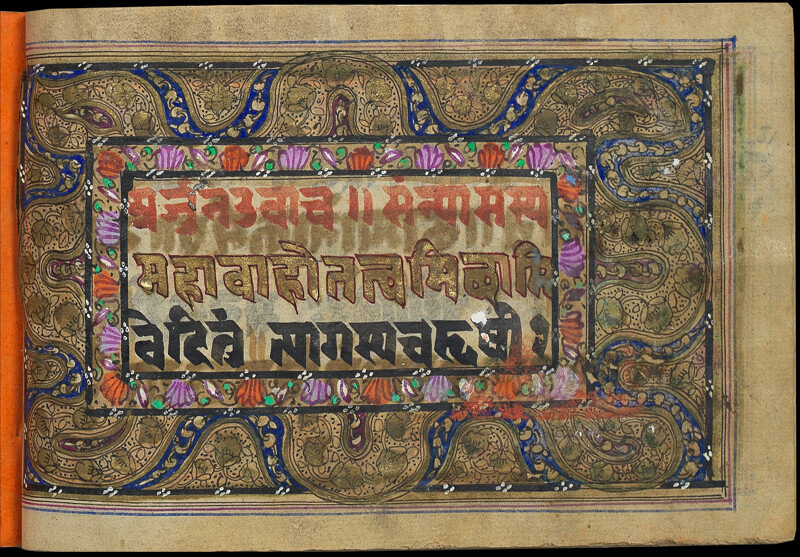
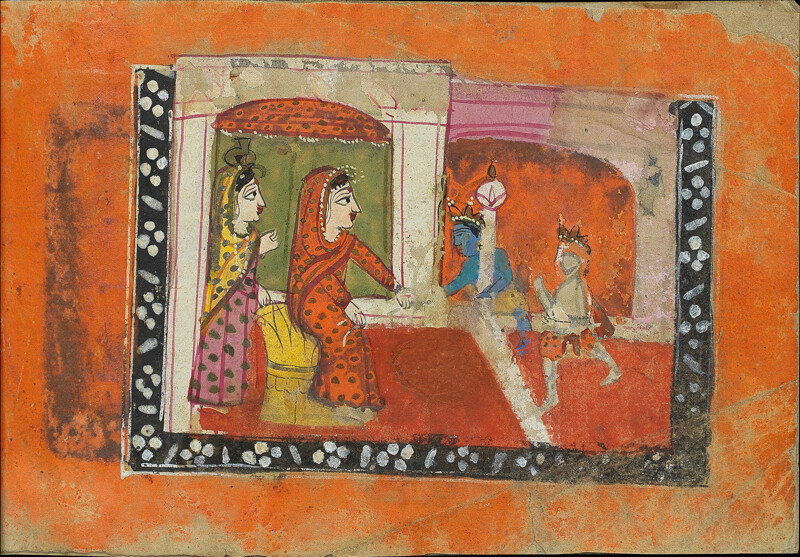
Fine MS with 18 highly detailed miniatures in watercolour portraying scenes from the life of Lord Krishna. Bound in Indian cardboard covers wrapped in red fabric. Showing some signs of age, but overall in very good condition, with minor wormholes, water stains, and small tears etc. Written in dense but elegant Devanagari script using thick black ink. Single four-line column per page, with a decorated double leaf opening each chapter, which contains a richly illustrated miniature. The text itself is framed within pale yellow, with finely painted rules and fillets. The Bhagavadgita was probably composed around 2,000 years ago, and is part of the vast national epic poem Mahaharata. The subject matter of the poem deals with Kuruksetra war. This MS resembles the traditional pothi format, and it is believed to have been produced in the Kashmir region in the late 18th or early 19th centuries - though the exact origin remains uncertain. The MS is organised into 18 chapters, each corresponding to one of the key sections of the Bhagavadgita, with each chapter beginning with a decorative chapter head. The introductory section features quotations from the poem most notably, the opening lines of Lord Krishna's teachings. This is followed by a short poetic commentary called 'Gita Dhyanam', which meditates on the devine wisdom being imparted. From the third leaf onwards, the text begins in earnest. The various chapters span different themes and teachings, from the worldly to the spiritual. The final page features a four-line colophon written in alternating red and black ink, expressing devotion and reverence for the poem's divine message. The eighteen watercolour miniatures dramatise the key divine actions and incarnations of Lord Krishna, illustrating the spiritual essence of his divine descent. Coloured plates: The first illustration depicts the young Krishna and his brother Balarama playing in a courtyard, with two women watching. Some overpainting suggests it once portrayed Krishna's childhood friends - an indication of the evolution of the illustration. The second shows Visnu in his Buddha avatar - acknowledging that in Hindu tradition, Buddha is considered Vishnu's ninth incarnation. Subsequent illustrations include Vishnu's Rama avatar, where he is seen with Sita and Hanuman, as well as scenes of Vishnu's other incarnations like Narasimha, Matsya, and Varaha, each showing him performing crucial acts of divine intervention. Other images portray Krishna revealing his divine form to Arjuna on the battlefield, lifting the Govardhana hill to protect his devotees, and dancing with the Gopis. The final illustrations include Vishnu's Kalki, his future avatar who will destroy evil, and the scene where Krishna steals the clothes of bathing Gopis, a well known motif. These illustrations are carefully crafted, revealing not only artistic skill but also deep spiritual symbolism. They visually narrate the divine actions associated with Krishna and Vishnu, emphasising his incarnations and their significance in Hindu theology.