If you would like to get in touch, please feel free to contact: email hidden; JavaScript is required
Browse collection
- Full collection
- 18th Century & earlier
- Ackermann
- Africa
- Alken
- Animals
- Arabasia
- Architecture/Mansions
- Art
- Australasia
- Botany
- British Isles
- Caricatures
- Children
- China
- Chromo added colour
- Chromolithographs
- Conchology
- Costume
- Cruikshank
- Culture/Lifestyle
- Dutch
- East European
- Far East
- France
- Furniture/Antiques
- General
- Germany
- Grandville
- Heraldry
- History
- History - England
- History - Europe
- Holy Land
- India
- India - sepia
- Islam
- Italy
- Japan
- Literature
- London
- Manuscript
- Map
- Military
- Monnier
- Natural history
- Pastimes
- Pochoir
- Polar regions
- Portraits
- Religious/Christian
- Religious/other
- Rowlandson
- Russia
- Science
- Scrapbook
- Sepia
- South America
- Sports/Hunting
- Stamps
- Swiss
- The Americas
- Theatre
- Travel/Scenery
- Watercolours
- World
GLASBRENNER, Adolph, (pseud. Ad. Brennglas)
Berlin wie es ist und -trinkt. [Berlin as it is and thinks].
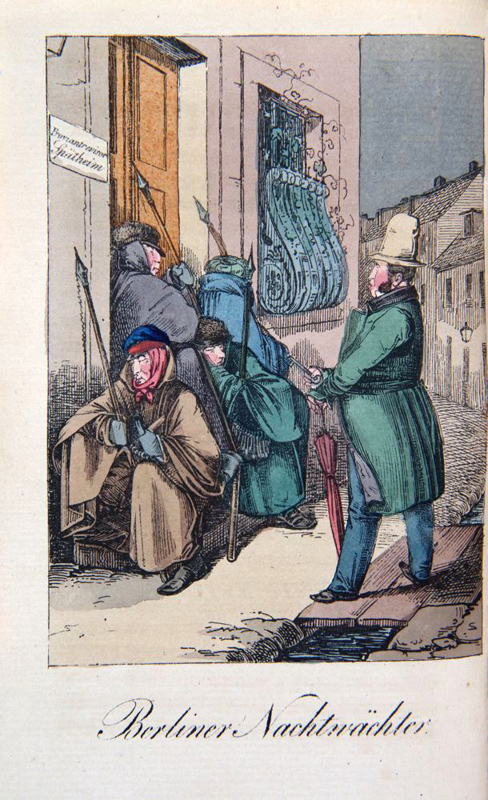
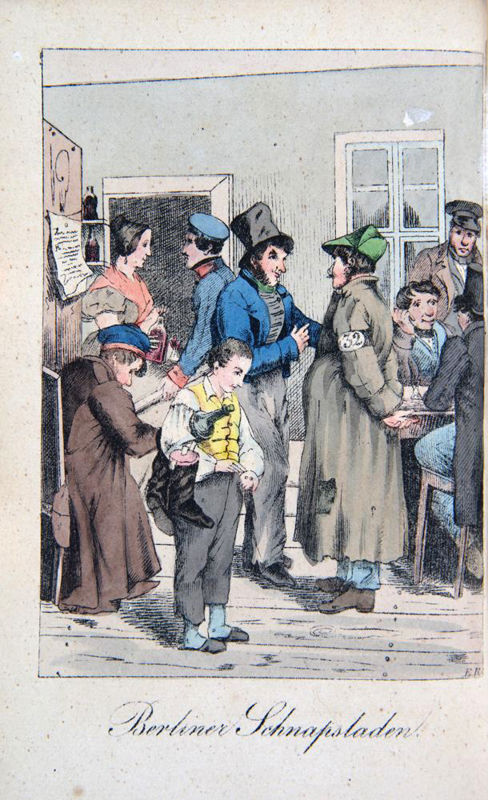
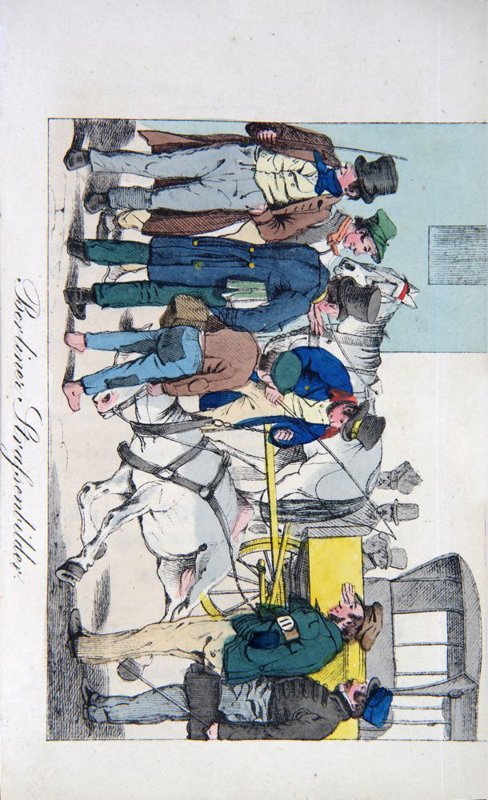
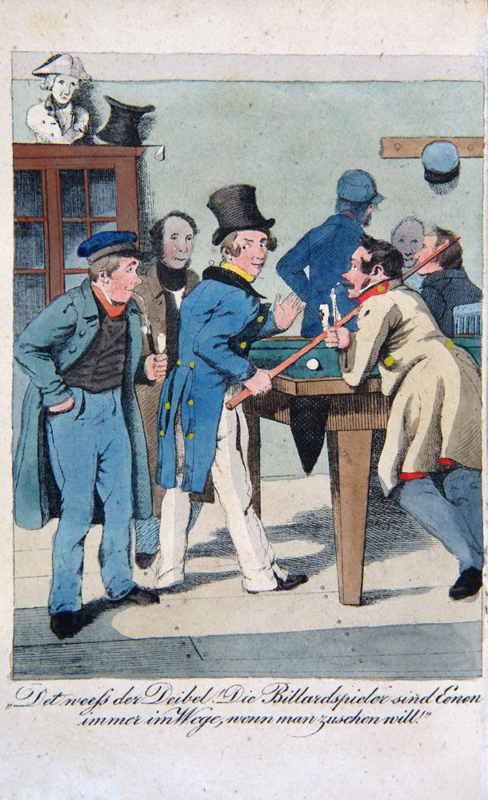
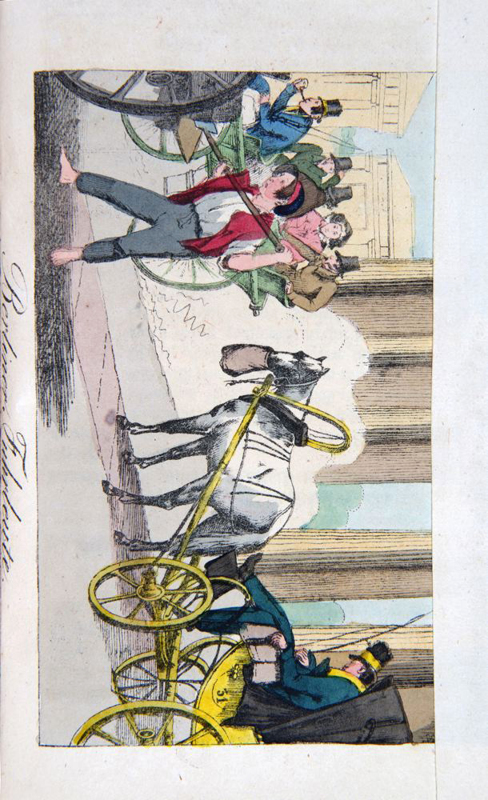
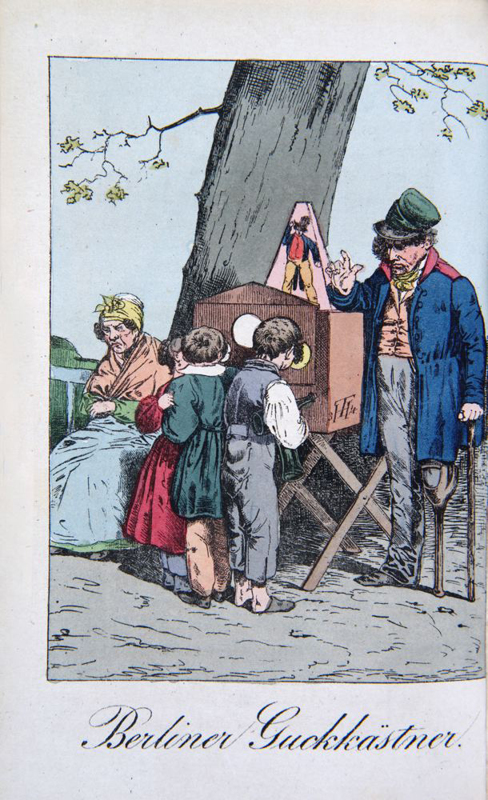
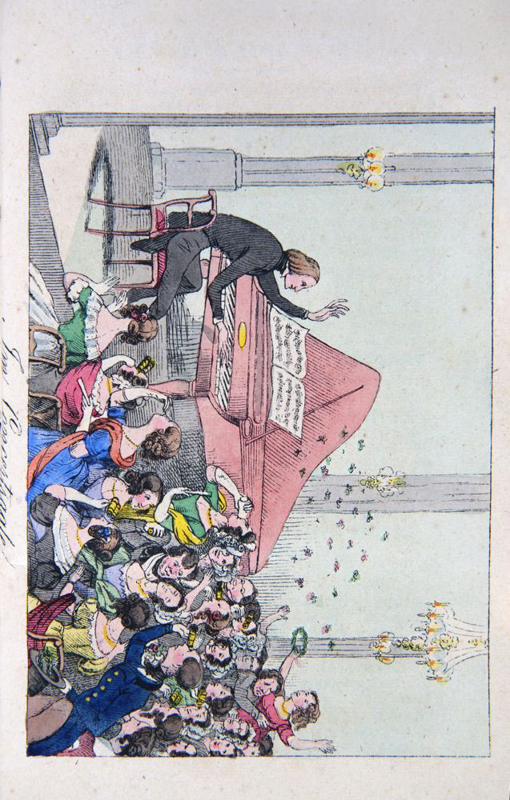
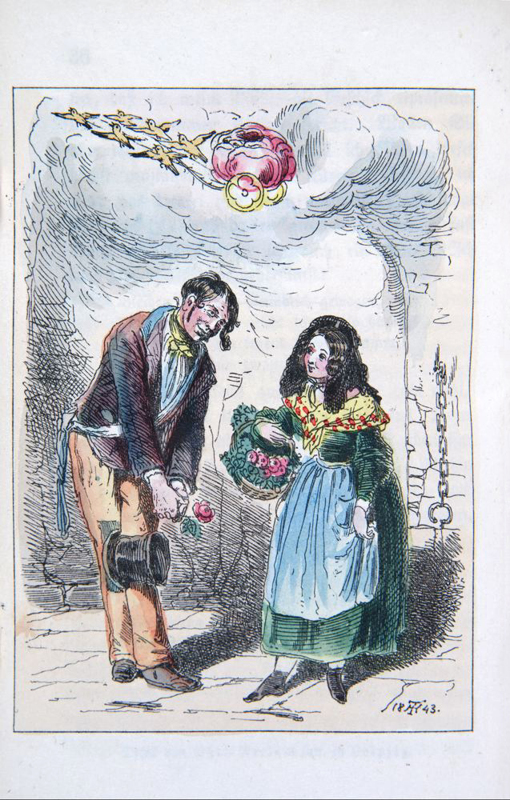
"A collection of humorous and satirical writings, often quite funny and coarse, written in Berlin dialect, which is still popular today" (Hayn-G. I, 266). The famous descriptions of customs deal with places, customs, and events, such as corner standers, Höckerinnen, woodcutters, cooks, Berlin carters, a Sunday in Tempelhof, Moabit, Guckkästner, guest performances by Franz Liszt, and many others. With the booklet that is important in terms of literary history about "the emergence of North German folk poetry", as well as a 2-page appendix "The North German Poet".








- Published
- Leipzig: Jackowitz bzw. Rostosky, 1837-1846.
- References
- Hayn-G. I, 266,Heft 23,Heft 11
- Plates
- 25
- Binding/Size
- Xs=12mo
- Value
- 0-5000
- Published
- Leipzig: Jackowitz bzw. Rostosky, 1837-1846.
- Ref
- 1344
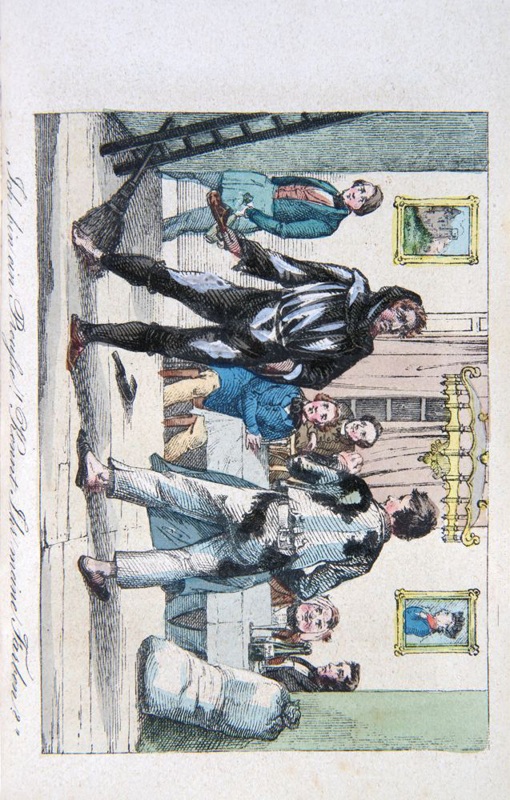
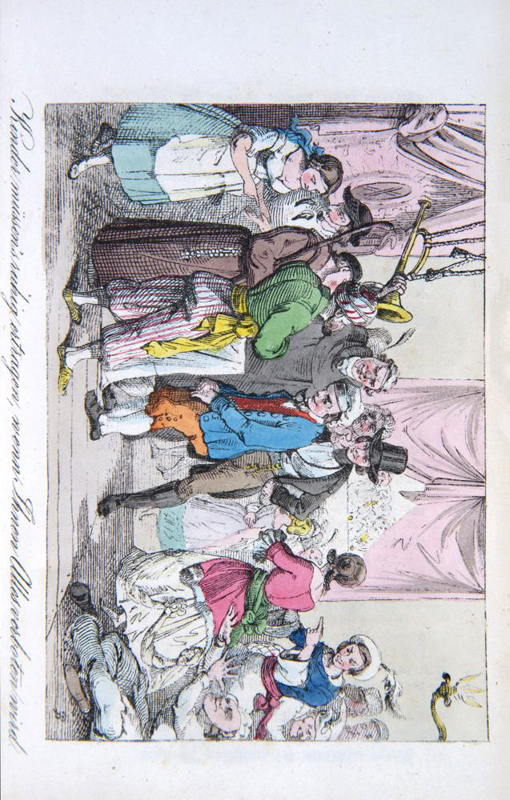
Different editions. Issues 1-24 (of 32). in 2 volumes. 8vo. (16 x 10.5 cm.) gilt to spine; boards and joints rubbed and worn; With 26 (25 hand-coloured) lithographed plates. Contemporary half calf. The famous description of Berlin in the early 19th century. It covers almost all aspects of the city like the costumes, places, events etc. Some of the beautiful hand-coloured lithographs are by the famous German artist Theodor Hosemann. A nice copy of the works of Glasbrenner, which counts to its best. Some of the 25 colored lithographs by Theodor Hosemann. - All three deliveries of issue 6 are available; Issue 23 - no issue name - Antigone in Berlin. Loosely based on Sophocles. Issue 11 - 24 in the first, otherwise in different editions, available. - Sporadically some spots, frontispiece of issue 24 slightly trimmed on the side with a few letters lost; Bindings minimally rubbed." "Noch jetzt beliebte Sammlung humoristisch-satirischer, im Berliner Dialekt verfasster, oft recht witziger und derber Schriftchen" (Hayn-G. I, 266). Die berühmten Sittenschilderungen behandeln witig Örtlichkeiten, Gebräuche und Ereignisse wie Eckensteher, Höckerinnen, Holzhauer, Köchinnen, Berliner Fuhrleute, ein Sonntag in Tempelhof, Moabit, Guckkästner, Gastspiel Franz Liszts u.v.a. Mit dem literatuhistorisch wichtigen Heft über "die Entstehung der norddeutschen Volkspoesie", sowie 2 Blatt Anhang "Der norddeutsche Poet". Unter den 25 kolorierten Lithographien einige von Theodor Hosemann. - Von Heft 6 sind alle drei Lieferungen vorhanden; Heft 23 - ohne Heftbezeichnung - Antigone in Berlin. Frei nach Sophokles. Heft 11 - 24 in erster, sonst in verschiedenen Auflagen, vorliegend. - Vereinzelt einige Flecken, Frontispiz von Heft 24 seitlich etwas knapp beschnitten mit wenigen Buchstaben Verlust; Einbände minimal berieben. Coloured plates in order: Volumes 1-12. 1. Berliner Eckensteher. 2. Berliner Hokerinnen. 3. Berliner Holzhauer. 4. Berliner Kochinnen (Am Sonntag.) 5. Berliner Fuhrleute. 6. Berliner Guckkastner. 7. Guckastner. Hier prasentirt sich Ihnen der spanische.... 8. "Rrrr, ein anderes Bild! Hur prasentirt sich Ihnen ein sehr intressirtes Jemalde..." 9. Berliner Nachtwacter. 10. Berliner Schnapsladen. 11. Puppenspiele. 12. Moabit. 13. Berliner Stassenbilder. 14. "Det weess der Deibel Die Billardspieler sind Eenen immer im Wege, wenn man zusehen will." Volumes 13-24. 15. Die beiden Zeitungsleser. 16. Im Concertsaale. 17. Ein Sonntag in Tempelhof. 18. Herr Buffey in der Zaruck-Gesellschaft. 19. Ich bin ein Preusse! Kennt Ihr meine Farben? 20. Kinder mussen's ruhig ertragen, wenn Ihnen Alles verboten wird. 21. [Die Entstehung der norddeutschen Volkpoesie]. 22. Meine Konstition verdragt des Baiersche nich! 23. Herr Buffey auf der Berlin- Leipziger-Eisenbahn. 24. "Herr meine Herrschaften, erblicken Sie den Jejendbesuch..." 25. Herr Buffey. Denn wenn ich Ihnen, Leithammel, meine..."